Gold and Silver Prices Jump Amid Strait of Hormuz Tensions
Daily News Nuggets | Today’s top stories for gold and silver investors
March 4th, 2026 | Brandon Sauerwein, Editor
How the Iran Conflict Is Moving Gold and Silver Prices
Rising geopolitical tensions with Iran have put pressure on energy markets and driven fresh interest in the safe-haven metals. Oil prices climbed as investors grew more concerned the conflict could persist and disrupt supplies, particularly around the Strait of Hormuz. That narrow waterway handles roughly one-fifth of global oil shipments, so any sustained interference would quickly tighten supply and add upward pressure to fuel costs.
Higher energy prices and the risk of supply shocks tend to increase inflation expectations and heighten market volatility—two factors that typically support demand for gold and silver. The longer the uncertainty lasts, the more these forces compound, influencing everything from currency markets to investor flows into precious metals.
U.S. Moves to Protect Oil Flow Through Hormuz
In response to threats to maritime traffic near the Strait of Hormuz, the White House announced measures intended to ensure continued oil flows through the region. The administration signaled that U.S. naval escorts for tankers and political-risk insurance for commercial vessels could be used to minimize disruptions to shipping. Those announcements aim to reassure markets, but they also underscore how geopolitics can quickly reshape energy and commodity pricing.
Because the strait is a key artery for global trade and energy, developments there tend to have immediate and wide-reaching market effects. Traders often react swiftly to changes in perceived supply risk, which can amplify price moves across oil, currencies, and safe-haven assets such as gold and silver.
Stay On Top of Gold & Silver Prices
Get important market alerts sent straight to your inbox.
Gold and Silver Rebound as Buyers Step In
After an early-week wobble triggered by geopolitical jitters, precious metals staged a recovery as buyers re-entered the market. Gold climbed to $5,143 (+1.05%) and silver rose to $83.44 (+1.65%), signaling renewed appetite for defensive assets. The rebound reflects how short-term volatility can quickly attract fresh inflows when investors seek protection from rising inflation expectations and market risk.
Analysts note that these moves are consistent with historical patterns: geopolitical shocks often boost demand for gold and silver as stores of value. Even when price swings are sharp, established trends in energy, inflation sentiment, and safe-haven demand can keep underlying interest intact.
The Silver Story Most Headlines Are Missing
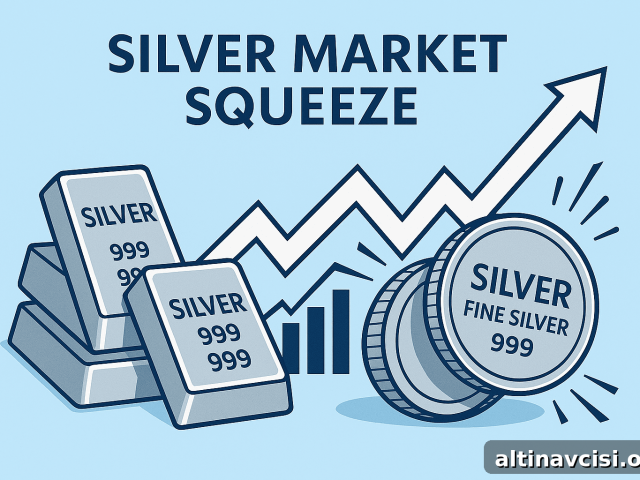
Silver has outperformed dramatically over the past year, rising roughly 160% year-over-year despite a pullback from January peaks. That rally hasn’t been driven solely by speculation; structural forces are also at work. The global silver market is projected to record its sixth consecutive supply deficit in 2026, with The Silver Institute estimating a potential shortfall of around 67 million ounces. That persistent deficit helps explain why long-term demand dynamics remain positive.
Demand for silver is supported by its dual role as both an industrial input and a monetary-like asset. Solar panels, electric vehicles, and a broad range of electronics depend on silver for conductivity and reliability—industrial uses that continue to grow and support baseline demand. At the same time, investor accumulation through exchange-traded products and other channels has helped absorb physical supply, with global ETP holdings remaining sizable.
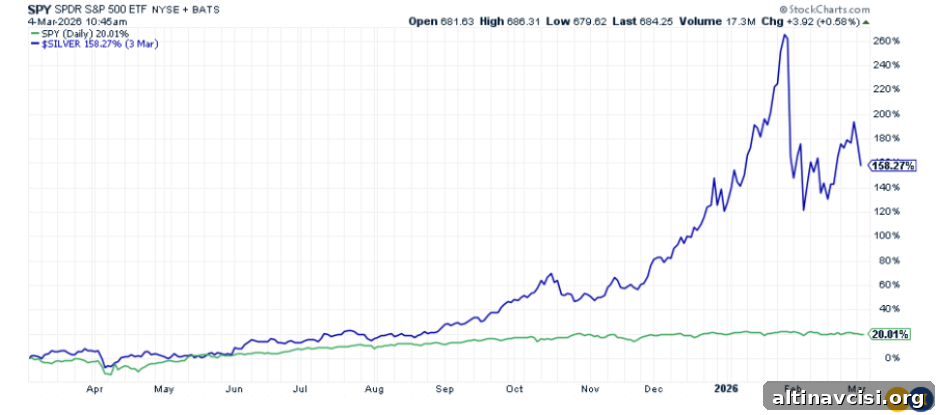
Taken together, structural supply constraints and steady industrial consumption create a supportive environment for silver’s price over a longer horizon. Investors watching the metal should monitor inventory levels, ETP flows, and industrial demand trends to gauge whether the tightness will persist.
Smaller Tax Refunds Could Cool Consumer Spending
This tax season, early IRS data suggest many households are receiving smaller refunds than in prior years, reflecting changes in withholding and tax credits. While refunds are not the sole driver of consumer activity, they typically inject billions of dollars into household budgets and often spur seasonal spending on travel, durable goods, home projects, and debt repayment.
A softer-than-expected refund season could reduce the usual spring boost to consumer spending. Since consumption accounts for roughly two-thirds of U.S. economic activity, any meaningful moderation in household outlays is worth watching for investors and policymakers alike. A weaker spending impulse won’t automatically derail growth, but it could temper the momentum for sectors closely tied to consumer discretionary demand.
You May Also Like
- Hormuz, the Fed, and the Battle for Safe-Haven Status
- Gold Prices Surge on Middle East Tensions
- Gold Above $5,200, Silver Above $90 — as Inflation Refuses to Fade
- Gold Price Rally Nears Record Streak as Tariffs Return
- Metals Rise, Confidence Cracks, and the Affordability Gap Widens
Popular Topics
Picked from the archive
-
01
 Topics
Gold Price Could Reach USD 5,000 by 2026: Institutional Forecast
-
02
Topics
Silver Squeeze Pushes Silver Prices Above $51
-
03
Topics
Gold Rises as Bitcoin Slips and Bubble Fears Grow
-
04
Topics
Bessent Urges 1.5% Rate Cut, Boosting Gold Prices
-
05
Topics
Tariff Deadline Fears Push Gold Prices Up as Other Metals Slide
-
06
Topics
Gold Fields Urges Major Miners to Boost Gold Exploration
-
07
Topics
Tech Giants Drive 90% of Earnings Growth Despite Trade War Fears
-
08
Topics
Brazil Threatens Retaliation After Trump Imposes 50% Tariff