Gold Prices Jump 6% as Silver Rallies 10%
Daily News Nuggets | Today’s top stories for gold and silver investors
February 3rd, 2026 | Brandon Sauerwein, Editor
Precious Metals Claw Back After Historic Crash
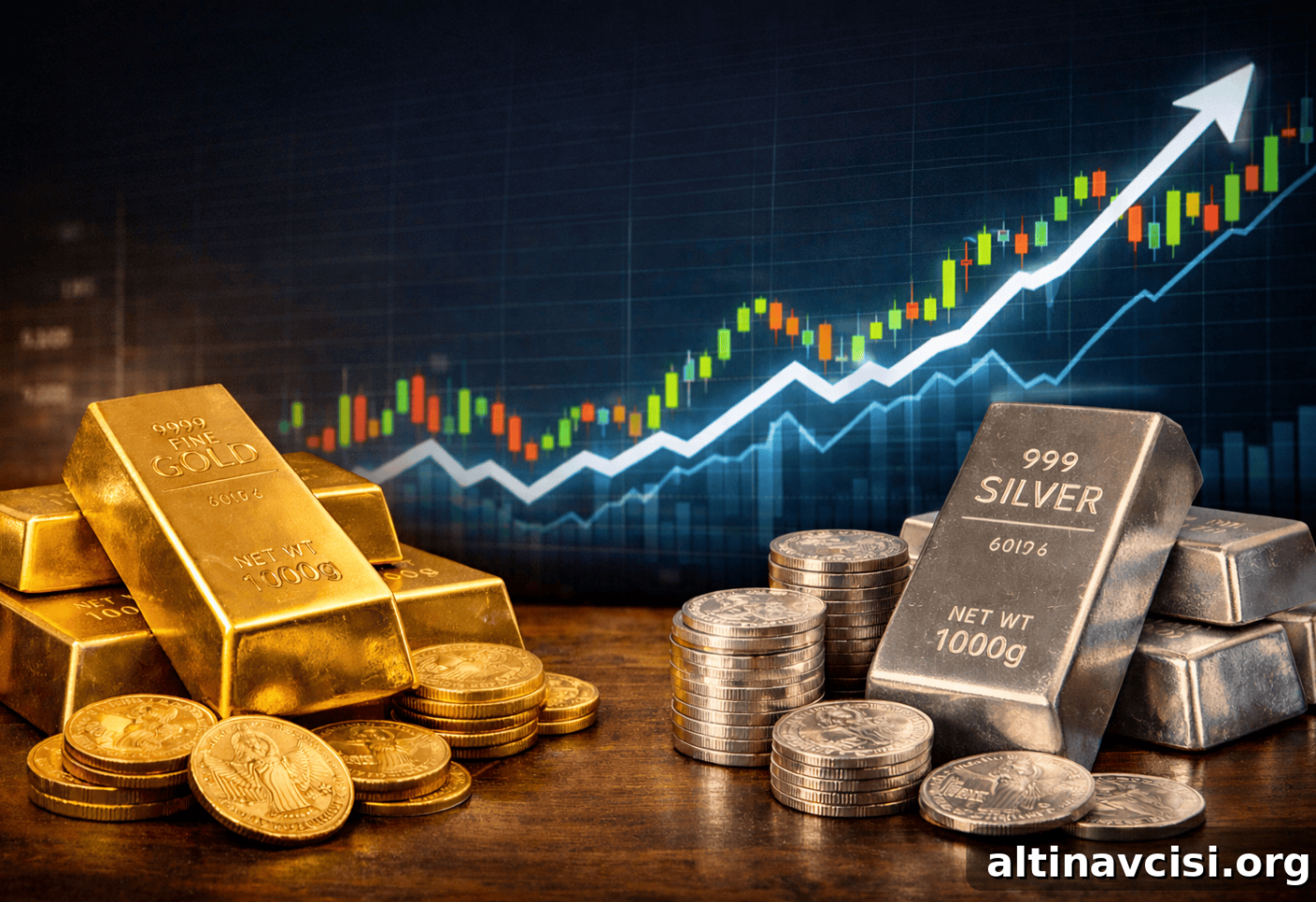
Gold and silver staged a sharp rebound on Tuesday after last Friday’s historic sell-off erased weeks of gains. Gold jumped as much as 6.2% to trade near $4,950 per ounce, while silver rallied more than 10% to climb above $87 as the U.S. dollar softened and risk appetite returned to global markets.
The metals had surged through January on speculative momentum, geopolitical concerns, and worries about central bank independence. Large positions built by Chinese funds and Western retail investors, plus heavy call-option buying and leveraged ETF exposure, amplified the rally — and then magnified the fall during Asian trading on Friday. Silver suffered its largest single-day drop on record, and gold endured its worst day since 2013.
Despite the chaotic move, many large banks and institutional analysts remain constructive on precious metals. UBS called the decline a healthy reset, saying it may present improved entry points for longer-term buyers. Deutsche Bank reiterated an ambitious $6,000 gold target, underlining its view that structural drivers remain in place. The key uncertainty now is whether Chinese buyers will return after Lunar New Year, particularly as China’s state banks tighten rules on gold investment — a development that could temper demand in the near term.
The rebound helped not only bullion but also related markets, including miners and sector ETFs, which rallied as traders bought the dip.
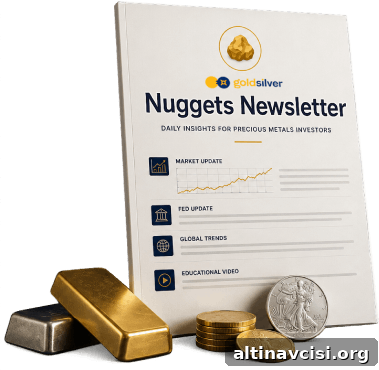
The Edge Every Investor Needs
Smarter precious metals investing starts here. The Nuggets Newsletter delivers market insights, timely Fed coverage, global trends, educational videos, and clear analysis for gold and silver investors.
Mining Stocks Surge After Brutal Selloff
Gold mining shares rallied on Tuesday as bullion recovered from its dramatic collapse. Companies with significant silver exposure also bounced sharply: Endeavour Silver gained about 7.5% in early trade, Coeur Mining rose roughly 7.7%, and both Hecla Mining and First Majestic Silver climbed near 8% as investors rotated back into resource names.
Analysts said the selloff appeared to be a heavy positioning reset rather than evidence of a lasting change in fundamentals. Deutsche Bank and Barclays emphasized that central bank purchases, ongoing geopolitical risk, and long-term demand drivers should continue to underpin precious metals. The miners’ swift recovery suggests many traders treated the decline as an opportunity to add positions rather than a signal to exit the sector entirely.
The episode highlights how quickly sentiment can swing in commodity-linked equities and underscores the importance of liquidity, leverage, and option flows in today’s markets.
Trump Launches $12B Mineral Reserve to Break China’s Rare Earth Grip
President Trump announced “Project Vault,” a $12 billion strategic mineral stockpile designed to reduce U.S. reliance on China for critical raw materials. The plan combines a $10 billion Export-Import Bank loan with approximately $1.67 billion in private capital to secure strategic materials, including cobalt, gallium, lithium and rare earths — all vital for electric vehicles, semiconductors and defense supply chains.
More than a dozen manufacturers are reported to have joined the initiative, including major automakers and technology firms. Commodity trading firms will manage procurement, while participating companies agree to buy materials at preset prices and draw from the reserve during supply interruptions. This mechanism is intended to smooth price volatility and provide manufacturers with a predictable source of inputs during disruptions.
The move directly targets China’s dominant position in mining and processing, which gives Beijing considerable leverage in global supply chains. Markets reacted quickly, with rare earth and other critical-minerals stocks rising on the announcement as investors priced in a potential shift in supply dynamics.

Trump Slashes India Tariffs to 18% — Details Still Missing
President Trump announced a tariff agreement with India that would cut certain rates to 18% from approximately 50%, according to his public post. The announcement said India must curtail purchases of Russian oil and commit to buying more than $500 billion in U.S. goods over five years, spanning energy, coal and agricultural products. Official details from either government were not released at the time of the announcement.
Indian markets reacted positively: equities posted their best session in months and the rupee strengthened, while exporters in gems, leather and auto components welcomed the potential boost to competitiveness. However, uncertainty remains because regulators and refiners have not been formally instructed to alter Russian crude imports, and Moscow indicated it had not been informed of any cutoff. Credit rating agencies warned that a sudden halt in Russian oil purchases could disrupt India’s economy and global energy markets.
Officials said a joint statement with exact terms was expected to follow, and market participants will be watching for clarifying details that could affect trade flows, energy prices and regional supply chains.
Fed Official Defends Rate Cuts as “Insurance” While Inflation Cools Slowly
Richmond Fed President Tom Barkin defended the Federal Reserve’s recent 1.75 percentage points of rate cuts, describing them as “insurance” to support the labor market as inflation continues the “last mile” toward the 2% target. Barkin emphasized that inflation has stayed above target for several years, and that today’s inflation figures strongly influence future expectations.
He noted encouraging signs: consumers are pushing back on higher prices, which limits companies’ ability to pass on costs, and rising productivity is helping firms absorb margin pressure. Barkin also reported that most businesses he has spoken with since the start of the year are not conducting large-scale layoffs, suggesting resilient demand and healthy margins. Although he is not a voting member of the Federal Open Market Committee this year, his comments signaled a preference for patience and caution in policy-making as the Fed gauges whether recent easing is sufficient to sustain the economic expansion while inflation trends lower.
You May Also Like
- JP Morgan Sees $6,300 Gold After Historic Crash
- Gold’s Week: $9T Swing, Trump’s Fed Pick, and Record Premiums
- Gold Breaks $5,500 as Metals Rally Accelerates
- Gold Passes $5,300 as Fed Meets, Dollar Craters
- Why Gold Just Hit $5,100 and Where It’s Headed Next
Popular Topics
Picked from the archive
-
01
 Topics
Japan Election Promises and Tariff Fears Rattle Bond Market
-
02
Topics
Global Oil Prices Steady as Travel Demand Rises, Sanctions Loom
-
03
Topics
Gold Holds Above $5,000 as Hedge Funds Brace for Volatility
-
04
Topics
Why Central Banks Are Buying Gold Amid Market Turmoil
-
05
Topics
Gold Hits $4,000: Wake-Up Call for Markets and Policymakers
-
06
Topics
Oil Price Rebounds to $69 as US-EU Trade Deal Nears
-
07
Topics
Gold Prices Surge as Middle East Tensions Escalate
-
08
Topics
Rare Earth Metals Driving the Global Economy