Copper Joins Gold and Silver in Historic Metals Breakout

Daily News Nuggets | Today’s top stories for gold and silver investors
December 2nd, 2025
Copper Joins Gold and Silver at Record Highs
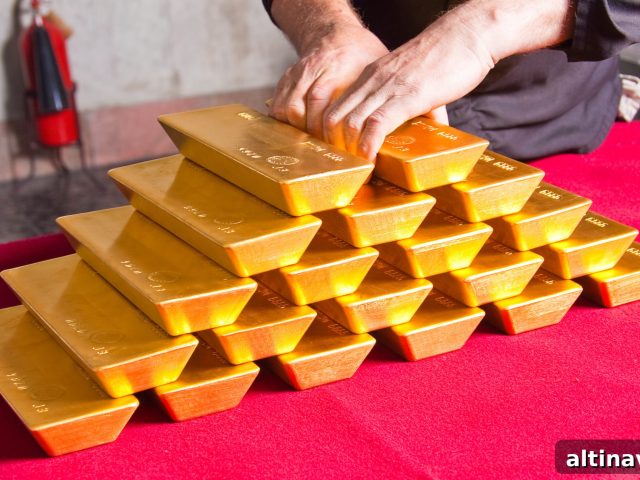
For the first time in decades, copper, gold, and silver have climbed into record territory together. Copper touched $11,295 per tonne on the London Metal Exchange, silver rose to $58.83 per ounce, and gold continues trading above $4,100 per ounce. This simultaneous advance reflects a convergence of constrained supply and rising demand, driven in large part by green energy projects and expanding AI infrastructure needs.
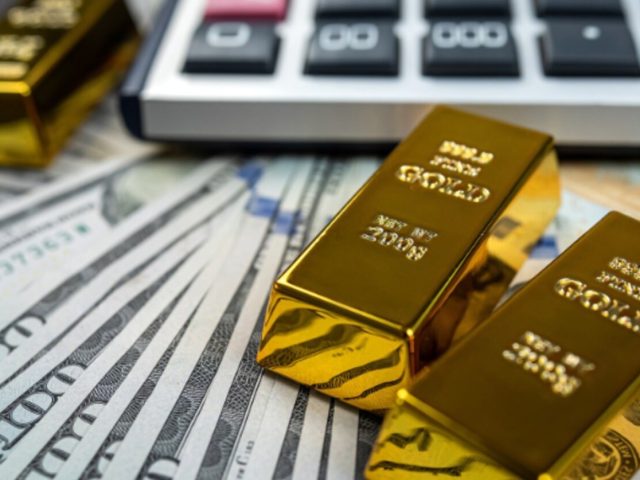
Copper’s rally has been amplified by disruptions at major mines and slower-than-expected mine development. Silver’s gains are supported not only by investment demand but by stronger industrial consumption—especially for solar panels and electric vehicles—combined with limited inventories in central vaults. Gold’s strength is reinforced by ongoing central bank purchases and its traditional role as a store of value amid geopolitical uncertainty, inflation concerns, and a softer U.S. dollar.
The current market environment has prompted many investors to rotate into hard assets. Tight physical markets for base and precious metals, paired with structural demand from the energy transition, are creating a backdrop in which prices can remain elevated. While cyclical forces and sentiment will continue to influence short-term moves, the broader dynamics of supply constraints and durable industrial demand are likely to remain central to the story.
Central Banks Ramp Up Gold Buying Despite Record Prices
Central banks added 53 tonnes of gold to their reserves in October, a 36% increase compared with September, indicating that institutional demand remains robust even with gold trading at lofty levels. Poland led purchases with 16 tonnes, signaling a renewed effort to increase its gold allocation, and Brazil also bought 16 tonnes—its first reported purchase since 2021.
Year-to-date, central banks have accumulated 254 tonnes of gold. While that pace is somewhat slower than the heaviest recent years, it is still well above long-term historical averages. Observers note that this buying appears strategic: many reserve managers cite diversification and protection against currency debasement and geopolitical risk as primary motives. Surveys suggest a strong majority of central banks expect reserves to grow going forward, reinforcing gold’s role in official portfolios.
The continued accumulation by official institutions adds a structural layer of demand that can absorb supply shocks and contribute to prolonged price support for gold. For market participants, central bank behavior remains an important influence when assessing medium-term price fundamentals.
Euro Holds Steady as Mixed PMI Data Keeps Dollar Under Pressure
The euro steadied near two-week highs as markets processed a mixture of economic signals from Europe and the United States. U.S. manufacturing activity contracted for a ninth consecutive month in November, with the ISM Manufacturing PMI falling to 48.2. That weakness has shifted expectations about Federal Reserve policy and helped push market-implied odds of a December rate cut higher.
In the Eurozone, services activity remains relatively firm even as manufacturing slipped back into contraction with a PMI reading of 49.7. The dollar index eased toward two-week lows in this environment, offering additional support to safe-haven assets; gold briefly traded near $4,260 per ounce on the softer dollar and persistent risk concerns. These mixed activity indicators highlight the policy dilemma facing central banks on both sides of the Atlantic.

Fed Officials Divided Over December Rate Cut
Federal Reserve policymakers are publicly divided as they approach their December meeting. Minutes from October described “strongly differing views” among officials about whether to cut rates this month. The disagreement centers on competing risks: moderation in labor-market indicators on one hand, and ongoing inflationary pressures on the other.
Market probabilities have swung considerably, reflecting the uncertainty around incoming data and communication from officials. Recent disruptions to data releases have complicated the Fed’s assessment, and the central bank has emphasized that decisions will depend on the evolving economic picture. The upcoming December meeting will be closely watched for any change in guidance or signaling about the path of policy in 2026.
Trump’s Approval on Inflation Collapses to Biden-Level Lows
Recent polling shows President Trump’s approval for handling inflation has dropped sharply, with net ratings falling to levels comparable to those seen by President Biden during the 2022–2023 inflation surge. A substantial proportion of respondents now place more blame on the current administration than on prior leadership for present economic conditions, and many view the economy negatively.
The political backdrop—public concern about affordability and inflation—intersects with economic policy choices and market reactions. Tariff policies and other measures intended to reshape trade and production have had mixed effects on consumer prices and corporate behavior. Political sentiment and economic performance will remain intertwined as households evaluate cost pressures and policymakers weigh responses.
Stay On Top of Gold & Silver Prices
Receive timely market alerts and analysis on precious metals delivered straight to your inbox.

The Financial System Isn’t Safer — And You Know ItAs systemic risks grow, many analysts expect gold and silver to remain important components of diversified portfolios in the years ahead.
Download concise guidance and market perspectives to better understand the drivers behind precious metal prices and what to watch next.
Summary for investors: the current market is characterized by a rare alignment of record prices across base and precious metals, significant official-sector buying, and heightened sensitivity to macroeconomic data. Key indicators to monitor include mine supply and inventory levels, industrial demand trends for silver and copper, central bank buying patterns, and policy signals from the Federal Reserve. These factors together will shape the outlook for gold and silver into 2026.
Popular Topics
Picked from the archive
-
01
 Topics
World Gold Council: Gold Eyes $3,351 as Triangle Break Nears
-
02
Topics
Jobless Claims Drop, 4-Year High Raises Job Market Concern
-
03
Topics
Fed to Hold Interest Rates Despite Trump’s Calls for Cuts
-
04
Topics
Trump Imposes 35% Tariffs on Canadian Imports: Economic Impact
-
05
Topics
Dollar Steady as Markets Price 79% Odds of September Rate Cut
-
06
Topics
Gold Pauses at $3,357 After Rally as Bulls Target $3,500
-
07
Topics
When the Fed’s $2 Trillion Liquidity Buffer Reaches Zero
-
08
Topics
Gold Trading Volume: Why $227B Daily Trades Matter to Investors