Silver Hits Record High as Banks Forecast $5,000 Gold by 2026

Daily News Nuggets | Today’s top stories for gold and silver investors
December 1st, 2025
Silver Hits Fresh Record (Over $57/oz) as Supply Squeeze Tightens
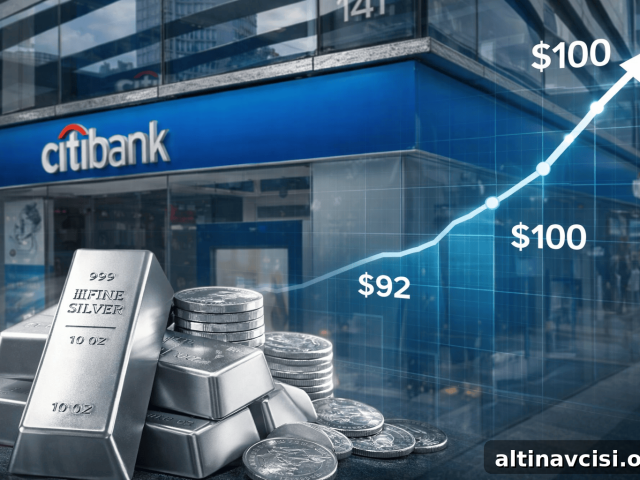
Silver reached a new all-time high of $57.86 per ounce on Monday morning, extending a rally that has pushed the metal nearly 90% higher year-over-year. While markets are pricing in roughly an 80% chance of a Federal Reserve rate cut in December, the biggest driver for silver has been the physical market. Inventories stored in London vaults, a key element of global supply, have dropped by nearly one-third since 2022. The shortage is so acute that some market participants have turned to air freight to meet delivery obligations rather than relying on slower sea shipments.
Silver’s demand profile makes its supply tightness especially important. More than half of silver consumption is industrial — driven by solar panels, electric vehicles, and components used in advanced electronics and AI hardware — so structural demand is strong even as investment demand grows. The Silver Institute projects 2025 to mark the fifth consecutive year of supply deficits, reinforcing the market’s structural imbalance. Elevated borrowing costs for the metal and robust safe-haven buying have combined with those fundamentals to sustain the rally. Gold investors have been swept up in similar dynamics, as precious metals benefit both from monetary policy expectations and from persistent physical shortages.
Gold Climbs to Six-Week High on Rate-Cut Optimism
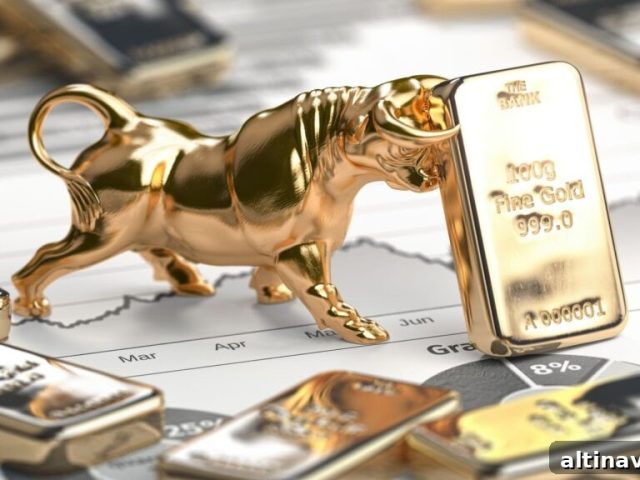
Gold climbed toward $4,250 per ounce on Monday, its highest level since late October, as investors increased their bets that the Federal Reserve will cut rates later this month. A softer dollar and renewed demand for safe assets supported the move higher. Major bank analysts have raised target ranges: some project $4,500 by year-end and near $4,900 by late 2026 if central bank buying and dollar weakness continue to support prices.
Central bank purchases and persistent investor interest in gold ETFs are reshaping the balance between supply and demand. Despite gold’s roughly 60% rise over the past year, investment flows remain strong — a sign that many market participants view gold as a key hedge against high government debt levels, geopolitical uncertainty, and an uncertain policy path from major central banks. For mining companies, however, surging metal prices do not automatically translate into higher valuations or smoother operations; structural and political challenges in certain jurisdictions continue to weigh on investor sentiment.
Barrick Gold Considers Breaking Up After Merger Underperforms
Barrick Gold, the world’s second-largest gold producer, is reportedly considering a corporate split that would separate its North American assets from operations in Africa and Asia. The move would effectively unwind parts of the company’s 2019 acquisition of Randgold Resources, a deal that has not delivered the valuation gains some investors expected. Barrick currently trades at about five times forward EBITDA, lagging peers that trade at higher multiples, and its five-year shareholder return has trailed certain rivals.
Analysts suggest that Barrick’s Nevada operations alone could merit a substantially higher standalone valuation. Activist investor interest has increased pressure on management to unlock value; reports indicate a major stakeholder has taken a position to push for strategic changes. Interim leadership has signaled a focus on politically stable jurisdictions such as Nevada and the Dominican Republic, with possible divestments or spin-offs of assets in higher-risk countries. The situation highlights a broader theme in the metals sector: even when commodity prices are strong, companies must clearly demonstrate how they will convert higher metal prices into sustained shareholder value.

Why Wall Street Is Eyeing $5,000 Gold in 2026
Several major banks now forecast that gold could surpass $5,000 per ounce sometime in 2026, implying an additional 20–25% upside from current levels. The bullish case rests on several converging factors: continued central bank buying, expectations for further Fed rate cuts that would ease real rates, and a weaker dollar that makes gold more attractive to international buyers.
Central bank diversification away from dollar-denominated reserves has accelerated since 2022, supporting sustained demand for physical gold. Some institutions are projecting year-end targets in the $4,900–$5,300 range for 2026, framing gold as part of a broader insurance strategy against currency debasement and rising fiscal deficits. For individual investors and advisors, that outlook reinforces the argument for maintaining exposure to precious metals as part of a diversified portfolio, even while the everyday economy may not yet feel the benefits of rising asset prices.
Trump’s Economic Messaging Collides with Voter Reality
President Trump has repeatedly claimed that prices are falling and that inflation is “almost nonexistent,” but public polling and several economic indicators paint a different picture. Inflation measured 3% in September, the same as when the administration began in January, and grocery prices have risen since then. Public opinion polls show widespread concern about the cost of living, with a majority of respondents expressing dissatisfaction with current affordability.
Administration officials have pointed to improvements in core inflation metrics, which exclude food and energy, as evidence of progress. Yet many households are feeling the cumulative effect of price increases: studies cited by economic researchers suggest that the average household is spending significantly more per month than it did in early 2021. With trade measures and tariffs continuing to influence import costs, some economists warn that inflationary pressures may persist or even worsen before they ease, a dynamic that complicates political messaging and economic policy alike.
Popular Topics
Picked from the archive
-
01
 Topics
Gold Tops $4,000 as Shutdown Hits Jobs, Inflation and Airlines
-
02
Topics
U.S. Dollar Climbs After US-EU Tariff Deal Lowers Trade Tensions
-
03
Topics
5 Factors That Drive Gold Spot Prices
-
04
Topics
Goldman Sachs: Oil Could Reach $110 Amid Iran Shipping Threat
-
05
Topics
CBO: Trump Tax Law Increases U.S. Deficit by 3.4 Trillion
-
06
Topics
Fed Split on July Rate Cut if Tariffs Have Mild Impact
-
07
Topics
Silver Breaks Above $92 as Citi Sees $100 by March
-
08
Topics
Silver Price Nears $50: Will It Break Its All-Time High?