Fed Tightrope Triggers Retreat in Gold, Crypto and Stocks
Daily News Nuggets | Today’s top stories for gold and silver investors
November 17th, 2025
Fed’s Jefferson Walks a Tightrope on Jobs and Rates
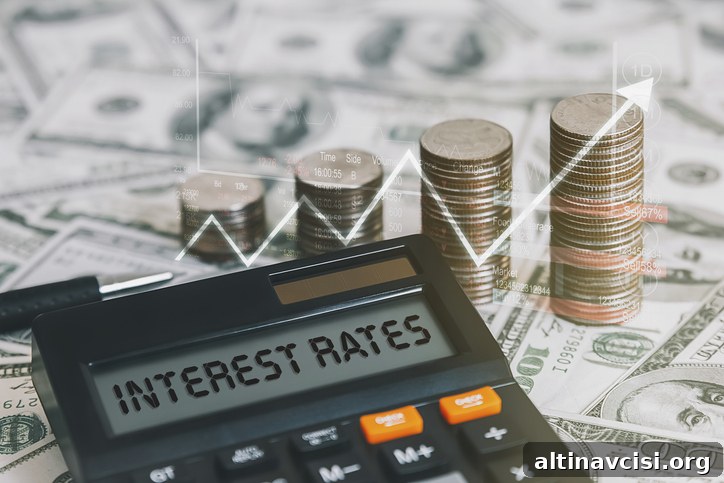
Federal Reserve Vice Chair Philip Jefferson acknowledged that risks to the labor market have grown, but he emphasized the need for a cautious approach to interest-rate cuts. Speaking in Kansas City, Jefferson noted that downside risks to employment now appear to outweigh upside inflation risks, yet he urged the Fed to move slowly as it approaches a neutral policy stance.
With the unemployment rate at 4.3%, Jefferson sees signs that the labor market is gradually cooling. Complicating the outlook is the ongoing government shutdown, which has limited the availability of timely data and left policymakers with less clarity ahead of the Federal Open Market Committee meeting in early December. Markets have adjusted rapidly: expectations for a December rate cut have fallen sharply in recent weeks.
For investors in gold and silver, the Fed’s cautious stance matters. Lower interest rates generally support precious metals because they reduce yields on interest-bearing assets and make non-yielding bullion more attractive. But if rate cuts are delayed or smaller than expected, that tailwind may be postponed. Conversely, a meaningful weakening in employment that forces quicker Fed easing could trigger a stronger rally in safe-haven assets as investors seek protection against economic weakness. That balance between job trends and monetary policy is already influencing prices and market sentiment.
Gold Takes a Breather as Rate Cut Hopes Dim
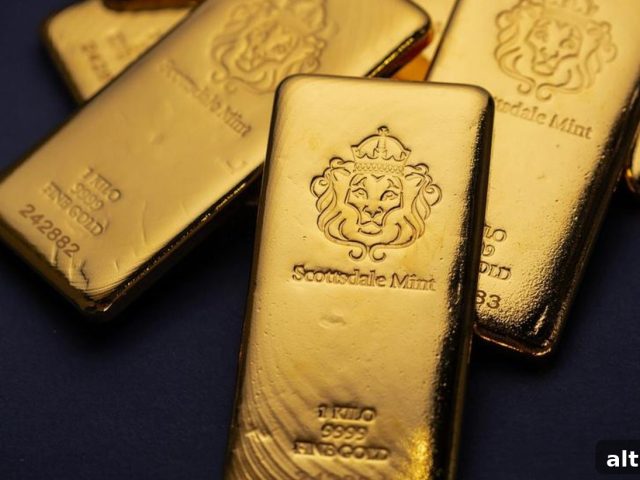
Gold extended losses for a third straight session as hopes for a December Federal Reserve rate cut faded. Bullion pulled back amid a stronger dollar and rising skepticism that the Fed will ease policy in the near term. The recent price action reflects traders moving into a cautious, data-dependent stance while they await clearer signals from the central bank.
Federal Reserve officials have signaled little urgency to lower borrowing costs, and without that catalyst gold—an asset that does not pay interest—tends to lose some of its immediate appeal. Historically, lower rates have supported bullion by narrowing the opportunity cost of holding non-yielding assets and by weakening the dollar. Even with the recent pullback, gold remains well above its levels from earlier in the year, underscoring that the longer-term uptrend remains intact for now.
As market participants digest fresh economic releases, the short-term outlook for gold will likely hinge on employment reports, inflation readings, and Fed commentary. For metal investors, this environment favors a measured approach: volatility can create buying opportunities, but timing will depend on incoming data and central bank guidance.
Retail Investors Are Finally Skipping the Dip
The “buy the dip” mentality that helped power much of this year’s market advance is showing signs of erosion. New data indicate that individual retail investors have pulled back and, in recent sessions, shifted to net sellers for the first time in weeks. Institutional buyers have been the more active participants in recent ETF inflows, reflecting a change in market composition.
Valuation concerns and growing debate over whether certain technology segments face speculative excess are tempering retail enthusiasm. Sentiment trackers that previously showed strong retail conviction are now trending more cautiously. This shift matters because retail activity represents a significant portion of trading volume; if retail investors stop stepping in to buy market dips, sell-offs can become deeper and last longer.
When risk appetite fades, investors historically look to safer assets such as gold and silver for diversification and capital preservation. A sustained retreat by retail traders could therefore support demand for precious metals as market participants reassess risk and reposition portfolios.
Layoffs Continue, But Tariffs Aren’t the Main Story Anymore
Corporate America recorded a sharp rise in announced job cuts last month, marking one of the busiest Octobers for layoffs in years outside of recessionary periods. However, tariff pressures are no longer the dominant factor driving these reductions. Many large firms have managed to absorb or mitigate tariff-related cost increases while maintaining profitability.
Instead, a significant portion of workforce reductions reflect companies reallocating resources toward investment in automation and generative AI infrastructure. Major tech firms have reported strong revenue growth while simultaneously trimming headcount to fund future productivity gains. Other sectors, including logistics and warehousing, are also restructuring in response to changing demand patterns and strategic priorities.
The implication for the economy and for precious metals investors is notable: a softening labor market, driven by technological shifts and corporate restructuring rather than trade disputes, could weigh on consumer spending over time. If that leads markets to price in higher recession risk, demand for safe-haven assets like gold and silver typically rises as investors seek protection against slower growth.
Crypto’s Small-Cap Carnage Reaches Pandemic Levels
The selloff in cryptocurrencies has been particularly severe among smaller digital tokens. Small-cap crypto indices have plunged to lows not seen since the market turmoil of the pandemic era, underscoring how quickly speculative corners of the market can unwind during periods of macro uncertainty and thin liquidity.
While Bitcoin has fared relatively better than many altcoins, it too experienced notable weakness recently, with short-term declines driven by profit-taking after a failed breakout, institutional outflows, and broader questions about monetary policy. Crypto’s extreme volatility and rapid drawdowns contrast sharply with the behavior of traditional safe-haven metals, which historically provide steadier downside protection in stressed markets.
For gold and silver investors, the crypto rout is a reminder of the different risk profiles across asset classes: speculative, digital assets can experience rapid, deep losses, whereas precious metals have long been used for capital preservation and portfolio diversification during uncertain times.
Investing in Physical Metals Made Easy
Popular Topics
Picked from the archive
-
01
 Topics
Citi Predicts Gold May Hit $3,500 After Weak Jobs Report
-
02
Topics
Gold Climbs on Trade War Jitters Before US Inflation Report
-
03
Topics
Gold Price Nears $3,700 Ahead of Fed Meeting
-
04
Topics
U.S.-Japan Trade Deal Lifts Investor Confidence, Gold Pulls Back
-
05
Topics
Trump’s No-Tariff Pledge Calms Gold Prices
-
06
Topics
Trump’s Allegations Against BLS Ignite Debate on Data Integrity
-
07
Topics
Why Central Banks Are Buying Gold as Citi Warns of Pullback
-
08
Topics
Fed’s Bowman and Waller Support Possible July Rate Cut