Why Central Banks Are Buying Gold as Citi Warns of Pullback

Gold Outlook: Diverging Views from Citigroup and UBS
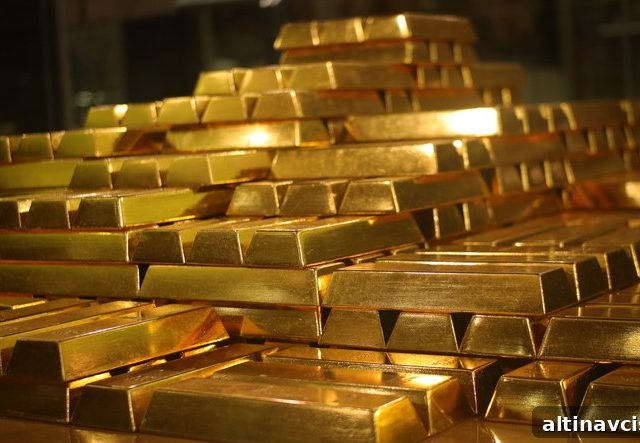
Citigroup has issued a bearish forecast for gold, warning that the metal could fall to $2,500 an ounce or lower next year after its recent record-breaking rally. This call reflects concerns among some market participants that the strong run in gold may face headwinds as macroeconomic conditions evolve and investors reassess risk assets.
In contrast, Brendan O’Connor, a senior adviser at UBS, remains firmly bullish on gold. O’Connor maintains a year-end price target of $3,500 an ounce, citing fundamental drivers such as robust central bank demand and ongoing geopolitical tensions as key support for higher prices. His view underscores the divergence in expectations among large financial institutions and highlights how different assumptions about demand, monetary policy, and risk sentiment can lead to widely varying forecasts.
Central bank demand for gold has been a significant factor supporting prices. When central banks add to their reserves, they directly increase long-term institutional demand for bullion, which can influence market supply dynamics. Geopolitical tensions can also drive safe-haven buying, as investors seek assets perceived as stores of value during periods of uncertainty. These dynamics are central to bullish narratives like that presented by UBS.
On the other hand, bearish scenarios often point to potential catalysts that could weaken gold’s appeal. Stronger-than-expected economic growth, higher real interest rates, or a sustained strengthening of the U.S. dollar are commonly cited risks that can pressure gold prices. Market participants who favor Citigroup’s outlook may also be concerned about profit-taking after an extended rally, or about a shift in investor allocations toward risk assets if conditions normalize.
O’Connor also recommends that investors consider silver as an alternative precious metal exposure. He sees potential upside of roughly 8–9% for silver. Silver tends to exhibit higher volatility than gold and has both investment and industrial demand components. That combination can create amplified moves in price—both on the upside and downside—relative to gold. For investors seeking leveraged exposure to shifts in sentiment toward precious metals, silver is frequently cited as a complementary play.
Beyond the metals market, O’Connor advises taking a broader look across global equities. He suggests that international stocks may offer more attractive valuations than U.S. equities, making them worthy of consideration for investors seeking diversification and potential value opportunities. Differences in regional growth prospects, sector composition, and valuation metrics can create opportunities outside the U.S. market, particularly when domestic equities appear richly valued.
In addition to reallocating across geographic equity markets, O’Connor highlights alternative investments as another pathway to potentially improved returns in a landscape where traditional markets may deliver muted results. Private credit and private equity are two alternatives he mentions. These asset classes can offer income generation and the potential for enhanced returns through active management and illiquidity premiums, but they also carry distinctive risks—such as limited liquidity, longer investment horizons, and greater reliance on manager skill.
Investors weighing these recommendations should balance the potential benefits of diversification and alternative return streams against the risks and constraints inherent in private markets. Due diligence, alignment with investment horizons, and an understanding of liquidity and fee structures are essential when allocating to private credit or private equity.
The contrasting views from Citigroup and UBS illustrate the wide range of plausible outcomes for gold and related assets. For investors, this divergence reinforces the value of clear investment objectives, diversified positioning, and scenario planning. Whether one leans toward Citigroup’s caution or UBS’s optimism, integrating risk management and maintaining flexibility to adjust positions as market conditions change remain prudent steps in navigating the current environment.
Ultimately, gold’s path will depend on an evolving mix of central bank behavior, geopolitical developments, macroeconomic indicators, and investor sentiment. Silver, international equities, and alternative private-market strategies present additional avenues for exposure, each with its own risk-return profile that investors should consider carefully in the context of their broader portfolios.
Popular Topics
Picked from the archive
-
01
 Topics
China May Cut Tariffs on Key US Medical and Industrial Imports
-
02
Topics
Weaponizing Supply Chains: Rare Earths to Semiconductors
-
03
Topics
76% of Central Banks to Increase Gold Reserves, WGC Survey Finds
-
04
Topics
Trump Demands Powell’s Removal as Fed Chair Warns on Tariffs
-
05
Topics
Gold Rises to No. 2 Global Reserve amid Sanctions Concerns
-
06
Topics
Daly Urges Fed to Temper Forecasts and Balance Dual Mandate
-
07
Topics
Strong Jobs Report Drives 10-Year Treasury Yield Above 4.34%
-
08
Topics
Report: Republican Tax Bill Masks Over 1 Trillion in Future Debt