Inflation Holds at 3.0%, Gold Funds Post Historic Rally
Daily News Nuggets | Today’s top stories for gold and silver investors
October 24th, 2025
Inflation Cools — But Stays Above Target
U.S. consumer prices rose 3.0% year-over-year in September, slightly below economists’ 3.1% forecast, with a 0.3% gain on the month. The report was released nine days late to allow the Social Security Administration to complete cost-of-living calculations for 2026. While the monthly increase was lighter than expected, the headline rate remains well above the Federal Reserve’s 2% target, underlining that inflation has moderated but is not yet back to desired levels.
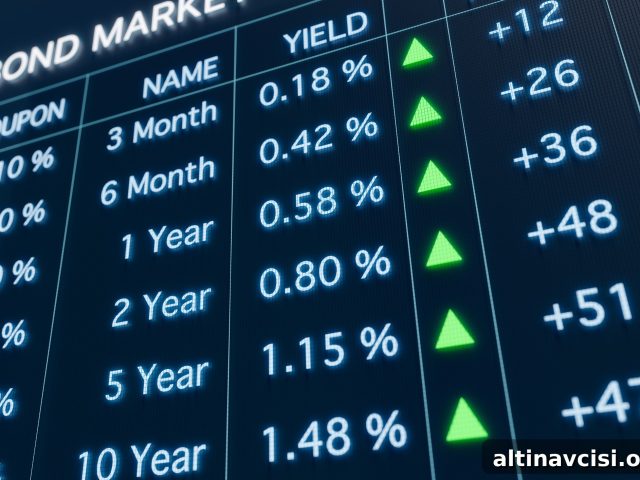
Energy pushed part of the monthly rise: gasoline jumped 4.1% in September. At the same time, shelter costs — which account for roughly a third of the index — rose just 0.2%, and used vehicle prices declined. For the Fed, these mixed readings keep a quarter-point rate cut firmly on the table at the November meeting, according to market pricing. Treasury yields fell and stock futures rallied on the softer print, but the persistence of 3% inflation means policymakers remain vigilant.
Social Security Gets 2.8% Bump — But Groceries Are Rising Faster
The September CPI was the final data point used to calculate Social Security’s 2026 cost-of-living adjustment, which will be 2.8%. That increase translates to an average monthly boost of about $56 for nearly 71 million beneficiaries beginning in January 2026. While any increase helps, many essentials have climbed faster than the COLA.
- Electricity: +5.1%
- Natural gas: +11.7%
- Meat, poultry, fish, and eggs: +5.2%
Because retirees and households on fixed incomes spend a larger share of their budgets on energy and food, the 2.8% adjustment may not fully offset higher bills. Policy experts note that COLAs provide relief but cannot fully erase the impact of rising costs for necessities.
Dollar Slips as Softer Inflation Clears Path for Fed Cuts
The U.S. dollar weakened after the cooler-than-expected inflation reading, reinforcing market bets that the Federal Reserve will begin easing policy with a rate cut next week. The softer CPI led traders to move into risk assets and away from the greenback, pushing Treasury yields lower and supporting stock futures. A weaker dollar generally benefits precious metals by making dollar-priced commodities less expensive for foreign buyers, helping to support gold and silver prices as investors anticipate easier monetary policy.
For bullion markets, the combination of a dovish Fed outlook and a softer currency is typically bullish. Lower real yields and renewed demand from investors seeking protection against policy uncertainty and lingering inflation pressures create a favorable backdrop for precious metals.
Gold Funds See Largest Weekly Inflow Ever
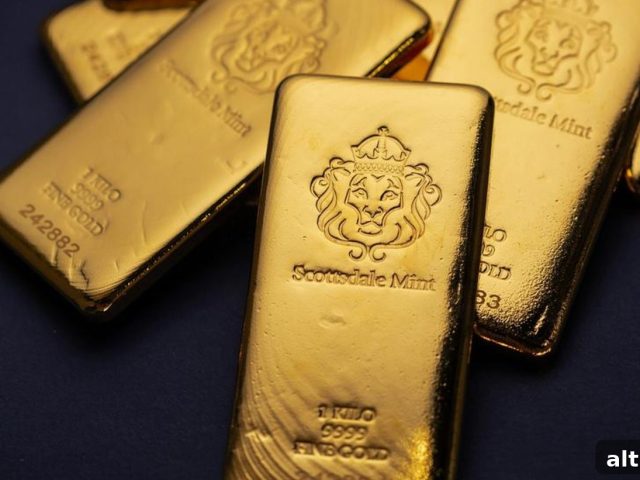
Gold-backed funds recorded record inflows of $8.7 billion last week, the biggest weekly surge on record, bringing four-month inflows to roughly $50 billion, according to Bank of America Global Research. The buying spree coincided with heightened economic and geopolitical uncertainty and strong central bank demand.
Gold reached an intraday record of $4,381 per ounce earlier in the week before pulling back toward $4,070, leaving the metal more than 60% higher year-to-date. Analysts attribute the extended rally to sustained central bank purchases, accelerating shifts away from the dollar in some regions, and a general preference for hard assets amid uncertain policy and growth prospects. Even if short-term corrections occur, many market observers see the longer-term trend as intact for bullion.
U.S. Economy Holding Up — But Risks Are Building
The International Monetary Fund recently upgraded its 2025 U.S. growth forecast to 2.0%, citing stronger-than-expected investment in artificial intelligence and resilient consumer spending. That upbeat revision highlights the economy’s underlying strength, but the IMF also flagged several risks that could complicate the outlook.
Trade tensions, persistent inflation, and tight labor markets could sustain price pressures while weighing on future growth. For precious metals investors, this mix presents a clear trade-off: continued economic resilience may keep the Fed from deep or rapid easing, limiting near-term upside for gold and silver, while persistent inflation and geopolitical uncertainty will likely sustain demand for safe-haven assets and inflation hedges.
In short, the macro picture remains mixed. Cooling inflation and prospects for a modest Fed easing favor precious metals, while economic momentum and the possibility of slower disinflation could cap gains. Investors in gold and silver will be watching the Fed, inflation readings, and geopolitical developments closely as they reassess risk and portfolio positioning.
Popular Topics
Picked from the archive
-
01
 Topics
Japan Election Promises and Tariff Fears Rattle Bond Market
-
02
Topics
Switzerland Seeks US Pledge to Keep Gold Tariff-Free
-
03
Topics
Trump’s Global Trade Timeline: From July to Labor Day
-
04
Topics
Market Update: Gold Steady, Shoppers Cautious, Nvidia Scrutinized
-
05
Topics
Gold Price Falls Below 50-Day Moving Average
-
06
Topics
Will U.S. Sanctions on India’s Russian Oil Backfire?
-
07
Topics
US-China Trade Talks in London Aim to Ease Export Controls
-
08
Topics
Why Gold Moves Differently from Stocks and What It Means