Silver Spot vs Retail Price: Understanding Dealer Premiums
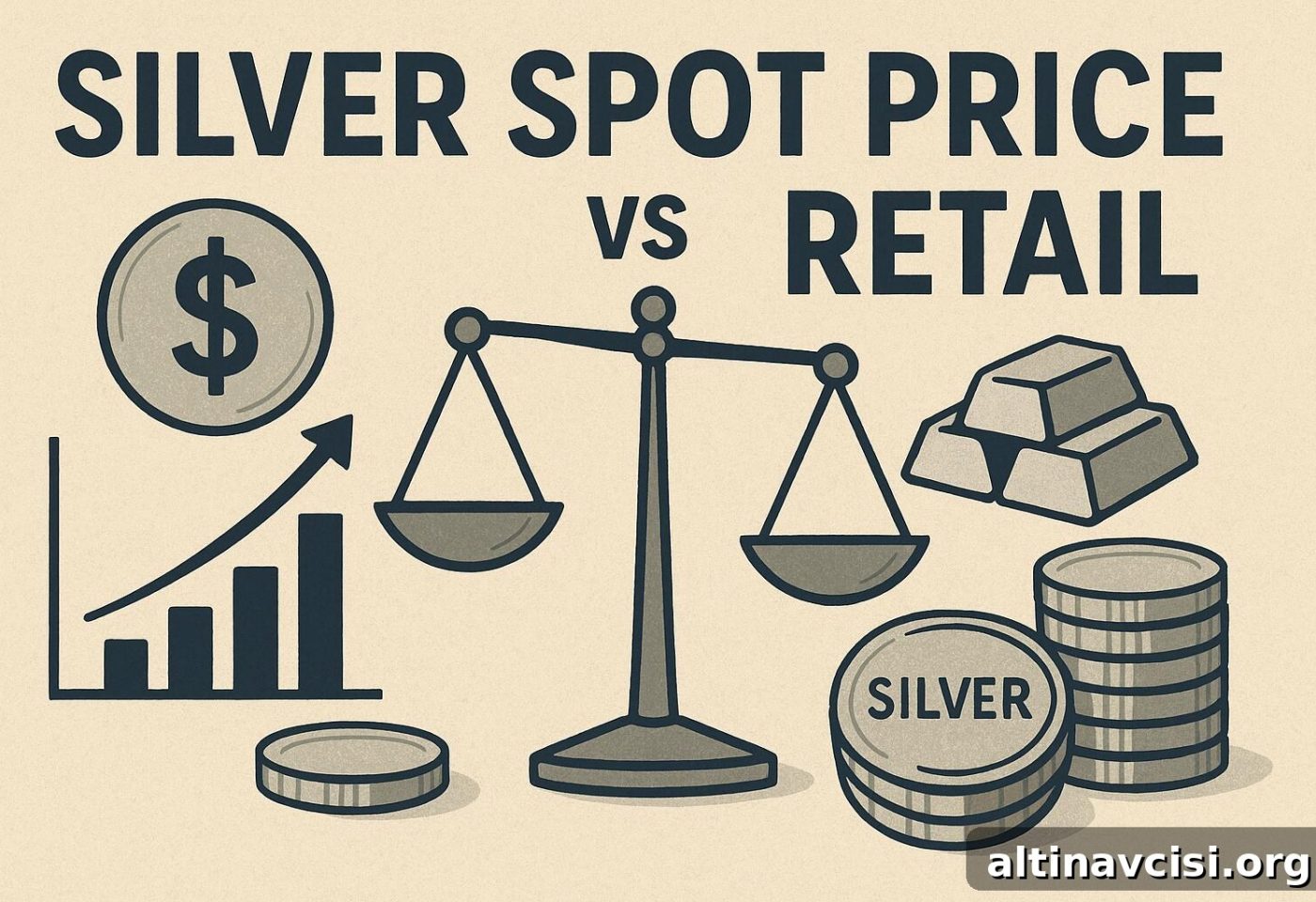
If you’ve ever tried to buy physical silver, you’ve likely noticed a frustrating gap: the price you pay in a shop or online is almost always higher than the “silver spot price” shown on market tickers. That difference matters. Understanding what drives it will help you make smarter choices, avoid surprises, and calculate the real cost of owning silver.
This article explains the silver spot price, why retail silver carries a premium, how those premiums behave in different market conditions, and practical tips for investors considering physical silver.
What Is the Silver Spot Price?
The silver spot price is the current market rate for one troy ounce of pure silver for immediate settlement. It is set by continuous trading on global commodity platforms and market makers. The spot price reflects high-volume trades and the balance of supply and demand across major trading centers.
Silver’s spot price is influenced by both industrial use and investment demand. Unlike gold, which is mainly driven by monetary and investment flows, silver responds to multiple economic forces including:
- Industrial demand: Silver is used in electronics, solar panels, medical devices, and automotive components.
- Investment demand: Physical bullion (coins and bars), exchange-traded funds, and futures positions all affect pricing.
- Economic indicators: Inflation expectations, currency strength, and global growth forecasts influence investor appetite for metals.
- Supply dynamics: Mining production, recycling rates, and government or large-institution sales impact available metal.
Because global trading is continuous, spot quotes update frequently to reflect shifting market conditions.
Why Retail Silver Costs More
The gap between the market spot price and the price you pay as a retail buyer is called the premium. That premium covers costs and risks associated with transforming raw silver into a finished, verifiable product you can hold.
Key components of the premium include:
- Refining and manufacturing: Purifying the metal and minting bars or coins with quality control and certification.
- Dealer markup: Overhead, insurance, storage, and profit margins for the seller.
- Distribution and logistics: Secure transportation, packaging, and handling for physical delivery.
- Market conditions: When demand spikes or supply tightens, premiums can rise sharply as dealers manage limited inventories.
During periods of market stress—such as pandemic shocks or sudden surges in demand—premiums can widen dramatically because the cost and risk of supplying physical metal increase.
Silver Premiums: The True Cost of Ownership
Typical premiums on common bullion products often range from a few percent to the mid-teens over spot. Under normal conditions you might see 2–15% depending on the product, but in extreme scenarios premiums can exceed 50% as demand outpaces supply.
Premiums depend on several factors:
- Product type: Generic bars and rounds usually have lower premiums than government-minted coins, which carry higher recognition and liquidity.
- Size and quantity: Larger bars and bulk purchases typically reduce the per-ounce premium.
- Market volatility: Increased fear or speculative buying tends to push premiums higher.
A clear example: when supply chains and minting operations were disrupted, retail premiums surged even though the paper spot price moved differently—illustrating how real-world logistics influence the cost of physical ownership.
Spot vs. Retail: What It Means for Investors
The spread between spot and retail price has real consequences for your return:
- Entry and exit costs: Your break-even price is spot plus the premium you paid. If you pay $28 for silver when the spot is $24, you must see a significant rise in the spot price to recover that difference.
- Timing: Both spot and premiums can swing quickly. Buying into high premiums during a panic increases short-term risk, while buying during calm periods often reduces cost.
- Product selection: Choosing widely recognized, liquid items helps minimize the cost and difficulty of selling later.
Why You (Or Anyone) Can’t Buy at Spot
Spot quotes primarily reflect large, institutional trades—often for thousands of ounces or for paper-settled contracts that do not involve physical delivery. Retail buyers purchase finished products that require refining, minting, certification, and secure shipping. Those real-world processes add cost, so retailers and wholesalers pay above spot when sourcing physical metal.
Put simply: the spot price is a reference point, while the retail price shows the actual expense of acquiring tangible silver.
Smart Silver Strategies
Practical steps for buying physical silver:
- Calculate total cost of ownership: Include premiums, storage, insurance, and any shipping fees before you buy.
- Monitor premium trends: Rising premiums often indicate supply stress or surging demand.
- Choose liquid products: Recognized government coins and popular branded bars sell more easily and often carry narrower bid-ask spreads.
- Adopt a long-term view: Silver combines industrial use with monetary appeal, so it can offer cyclical upside and diversification benefits over time.
Silver’s Premium Is the Price of Tangibility
The difference between the silver spot price and the retail price is not a hidden tax—it is the real cost of converting raw metal into a trustworthy, deliverable asset. That premium buys physical possession, authenticity, and portability—attributes that many investors value alongside, or instead of, purely paper-based exposure.
Investing in Physical Metals Made Easy
People Also Ask
Why is the silver spot price lower than what I pay for physical silver?
Spot reflects high-volume exchange trading, not small retail purchases. Physical silver includes fabrication, minting, insurance, and dealer margins—so retail buyers always pay a premium over spot.
What is a fair premium over the silver spot price?
In ordinary market conditions, a reasonable premium is often between 5–15% for 1-ounce rounds or privately produced bars, and somewhat higher for government-minted coins because of liquidity and recognition. Bulk purchases and larger bar sizes typically lower the per-ounce premium.
Why do silver premiums change so much over time?
Premiums move with investor demand, mint production capacity, logistics, and overall market sentiment. Periods of heightened concern or constrained supply can push premiums substantially higher.
Can I buy silver at the spot price?
Not as an individual retail buyer. Spot is tied to large institutional or paper trades. Individual investors buying physical metal must pay for manufacturing, certification, and delivery, which creates the premium above spot.
Is it better to buy silver coins or bars?
It depends on your priorities. Coins usually trade with better recognition and liquidity, making them easier to sell quickly. Bars, especially larger ones, generally offer lower premiums per ounce and are more cost-efficient if you plan to hold long term. Balance liquidity needs against cost when choosing product types.
Get Gold & Silver Insights Direct to Your Inbox
Join investors who receive expert analysis, market updates, and timely insights about precious metals every week.
Popular Topics
Picked from the archive
-
01
 Topics
Harvard 51B Endowment Sells Tech, Buys Gold and Crypto
-
02
Topics
Tariff-Driven Inflation Clouds Fed’s September Rate Decision
-
03
Topics
Investors Flock to Gold Amid Trade Tensions and Weak Jobs Data
-
04
Topics
ETF Inflows Propel Gold Demand to Highest H1 Levels Since 2020
-
05
Topics
Russia Taps $1B Chinese Gold Market Amid Geopolitical Shift
-
06
Topics
Gold Has Matched Stock Returns Since 1971: Why It Matters
-
07
Topics
BIS Warns Fed Faces Impossible Choice as Tariffs Risk Inflation
-
08
Topics
India Gold Demand Drops Further Amid Soaring Asian Prices