Gold Pulls Back as US and China Sign New Trade Deal

Daily News Nuggets | Today’s top stories for gold and silver investors
October 27, 2025
Inflation at 3%, Fed Plans to Continue with Rate Cuts
Consumer prices rose 3.0% in September, a touch below the 3.1% economists had expected. The smaller-than-forecast increase offered markets some relief after weeks of uncertainty. Most of the monthly move was driven by higher gasoline prices, which jumped substantially as pump prices reached their highest levels since mid-2023. Food and shelter costs also climbed, although both categories moderated compared with August.
The report was delayed three weeks because of the federal government shutdown, making it the only major economic release this month. That timing increases its importance: the cooler inflation number has largely cleared the path for the Federal Reserve to cut interest rates at this week’s meeting. Equity markets responded quickly, climbing to fresh highs on the news.
Fed Rate Cut All But Certain This Week
The Federal Reserve is expected to lower its policy rate by a quarter-point at the upcoming meeting, bringing the benchmark range to roughly 3.75%–4.00%. Markets are pricing in an overwhelmingly high probability of a cut following the latest inflation reading. Fed Chair Jerome Powell has signaled concern about labor market softening even as inflation remains above the central bank’s 2% target.
The Fed faces a familiar dilemma: how to support growth without reawakening price pressures. This meeting will be “standard” with no new economic projections or press conference, so the policy statement will be the primary source of guidance about the outlook for December and beyond. For investors in gold and silver, lower interest rates reduce the opportunity cost of holding non‑yielding metals, which historically supports demand for gold; silver, however, is more exposed to industrial demand and broader economic growth trends.
US-China Strike Preliminary Framework Trade Deal — Again
Over the weekend in Malaysia, negotiators from the United States and China announced another preliminary framework intended to ease escalating trade tensions. According to officials, the deal removes the immediate threat of a planned 100% tariff on Chinese goods and includes an agreement by China to delay rare-earth export restrictions for at least a year. The framework also reportedly calls for resumed Chinese purchases of U.S. soybeans and cooperation on fentanyl interdiction.
The agreement still needs formal approval from both leaders, who are scheduled to meet during the upcoming APEC summit. Markets welcomed the reduction in trade uncertainty, but many analysts caution that the agreement is a preliminary step: the underlying strategic and regulatory disputes that fuel the trade war remain unresolved, and previous framework deals have sometimes failed to lead to durable, enforceable accords.
Precious Metals Consolidate After Wild Swings
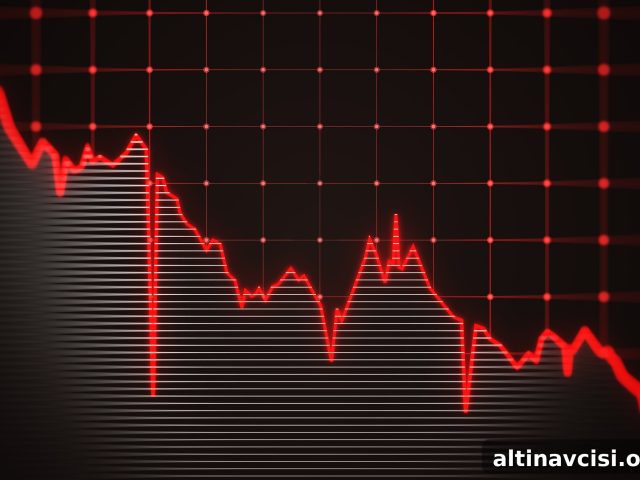
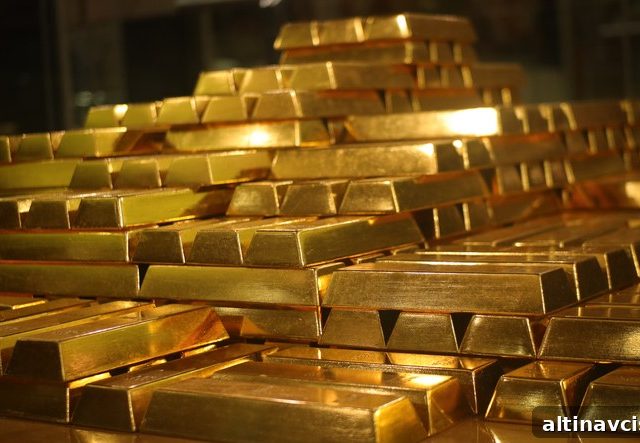
Gold and silver have pulled back after a period of extreme volatility. Gold briefly tested resistance near $4,400 per ounce last week before retreating to around $4,040. Silver also corrected sharply, trading near $47 after its largest single-day drop since 2021. Those moves followed the reported easing of trade tensions and a stronger U.S. dollar, prompting profit-taking after an extraordinary rally: year-to-date gains remain very large, with gold up roughly 52% and silver up about 62%.
Technically, gold has found support near the psychologically important $4,000 level after its rapid run-up from August. Major banks continue to publish bullish long-term forecasts: some strategists maintain six-figure or multi-thousand-dollar targets for the coming years. The fundamental forces that supported the 2025 rally — inflation remaining above target, geopolitical uncertainty, central bank purchases, and concerns about rising U.S. debt levels — have not disappeared, and many market observers view the recent pullback as consolidation rather than the start of a sustained decline.
Shutdown Enters Fourth Week as Food Aid Cutoff Looms
The federal government shutdown reached day 27 on Monday, and November 1 is shaping up as a critical date for many households. Beginning that day, an estimated 42 million Americans could lose SNAP benefits as the Agriculture Department confirmed that funding has effectively run out. Several states have already warned residents that food assistance payments scheduled for November may not be delivered.
The funding crisis extends to other programs as well: roughly 7 million mothers and young children rely on WIC, which faces its own funding cliff, and military families could miss paychecks without an emergency budget action from the Department of Defense. The shutdown has already led to daily furloughs affecting hundreds of thousands of federal workers, interrupted routine economic reporting, and closed national parks. The only major data to be released during the lapse was September’s inflation report, which was published to satisfy Social Security reporting requirements.
Lawmakers and officials are expressing concerns about both the humanitarian and economic consequences of the impasse. Meanwhile, the administration’s foreign engagements have continued, with the president traveling abroad rather than leading budget negotiations at home.
For precious metals investors, the coming days will be important. The Fed’s expected easing, the progress or collapse of the U.S.-China trade framework, and the ongoing domestic fiscal standoff are all likely to drive volatility and shape demand for safe-haven assets. Traders and long-term holders should monitor policy statements and political developments closely, as these forces can rapidly shift market sentiment and price trajectories.
Popular Topics
Picked from the archive
-
01
 Topics
Russia Moves to Seize Top Gold Mining Company from Billionaire
-
02
Topics
Goldman Sachs Predicts Tariffs Will Slow Growth to 1.1% by 2025
-
03
Topics
How to Open a Precious Metals IRA with GoldSilver
-
04
Topics
UBS $3,800 Gold Forecast: What It Means for Precious Metals
-
05
Topics
Treasury Secretary Questions Federal Reserve’s Spending and Role
-
06
Topics
Gold Has Matched Stock Returns Since 1971: Why It Matters
-
07
Topics
Tariffs Hit Crypto, Gold Holds 4,100, Silver Squeeze Deepens
-
08
Topics
Treasury Yields Flat Amid Jobs Slump and Trump Policy Chaos