Rare Earth Metals Driving the Global Economy
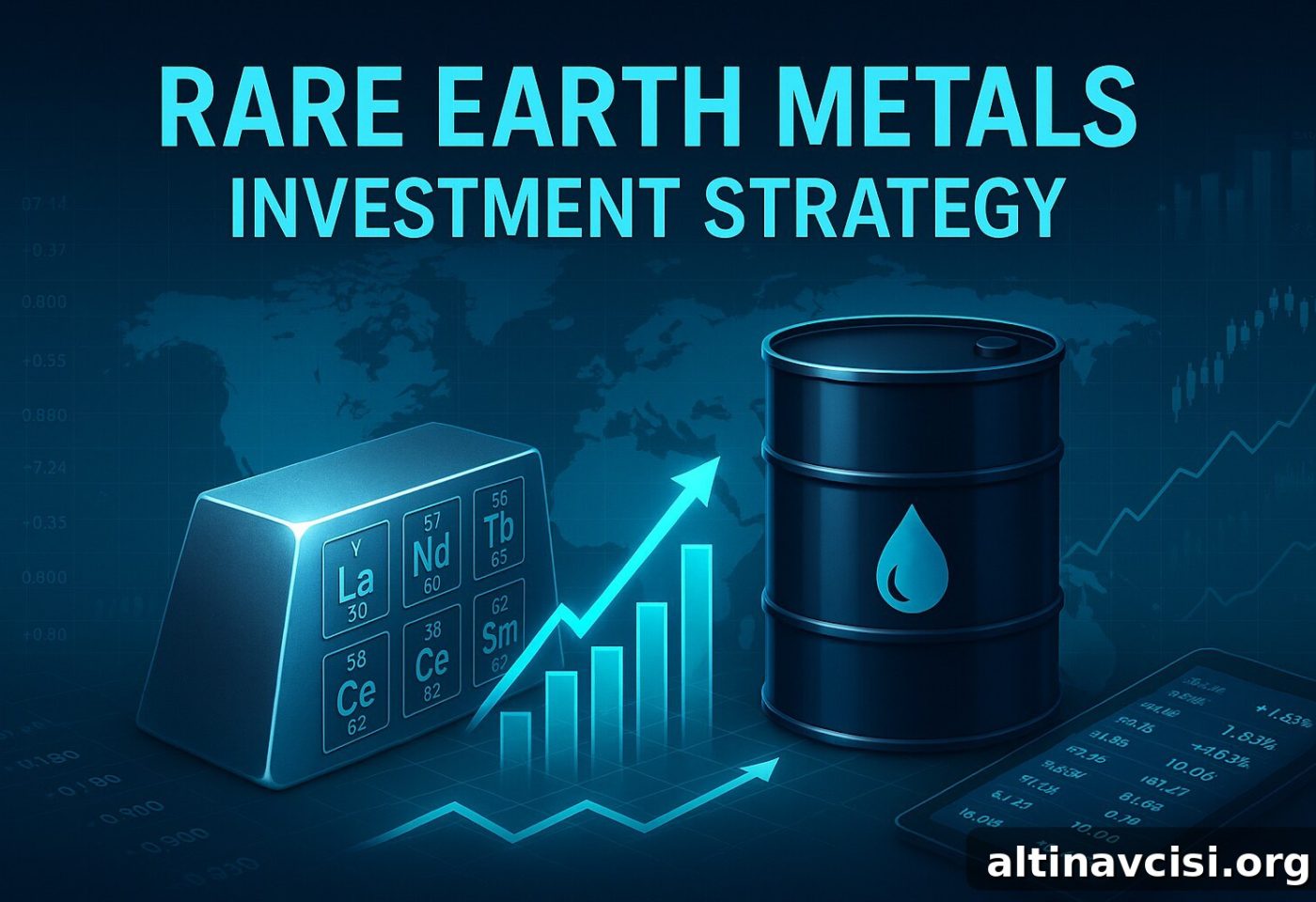
China has quietly turned rare earth metals into a geopolitical weapon, and the West is only now confronting how exposed its industries really are.
In July 2025, Beijing tightened export controls on key rare earth elements, cutting off or constraining supplies that power technologies across modern life—from electric vehicle motors and wind turbines to smartphones and missile guidance systems. The move followed a fresh set of tariff discussions by Washington, a development observers saw as part of a widening economic confrontation. The result has been a rapid global scramble to rebuild supply lines that were outsourced over decades.
The Hidden Backbone of Modern Industry
Rare earth metals may sound niche, but they are central to the 21st-century economy much like oil was in the last century. Elements such as neodymium, dysprosium and terbium are essential for powerful magnets, high-efficiency motors, and precision electronics. Without reliable access to these materials, the transition to clean energy and the development of advanced defense and computing systems face major bottlenecks.
Other critical materials are caught in the same squeeze. Silver has become indispensable to the energy transition: solar panels and many EV electronics rely on it for conductivity. Global silver demand from the solar sector alone has surged, while mining output struggles to keep up.
Nickel is under comparable pressure. High-performance EV batteries need nickel-rich cathodes to deliver range and longevity. Indonesia, which controls roughly half of global nickel production, has been restricting raw ore exports to encourage processing at home, applying economic leverage in a way that mirrors China’s approach to rare earths.
What these examples share is clear: the most important modern commodities are scarce, strategically vital, and concentrated in the hands of a few nations. That concentration creates leverage points in a new era of resource competition, where access to inputs is as strategically important as market share or technological know-how.
Estimates suggest China accounts for roughly 70% of global rare earth production and close to 90% of refining capacity. That dominance does more than shape manufacturing timelines; it influences who can build the core technologies that will define economic and military power for decades to come. Western countries are accelerating domestic mining and refining projects, but many of those projects will take years to come online, leaving a period of vulnerability for industry and defense planners.
Economic Nationalism Is Back — and It’s Here to Stay
Resource nationalism has reemerged as a defining feature of the 2020s. Governments are actively reshaping trade and industrial strategy to secure supply chains for strategic materials—rare earths, nickel, lithium and cobalt among them. This is not just protectionism for its own sake; it reflects a broader loss of trust in open, just-in-time global production when geopolitical tensions rise.
Capital is flowing into reshoring programs, new mines, and domestic processing facilities. Yet the deeper challenge is trust and resilience: nations want assets they can count on when global trade frictions spike. That push toward self-reliance alters investment priorities and changes the risk profile of global supply chains.
For investors, supply shocks in these materials can spill into broader commodity markets and push up input costs for tech, automotive, and energy sectors. Those price pressures can feed into inflation statistics and influence monetary policy decisions, creating a feedback loop between geopolitics and macroeconomics.
Gold and Silver: The Ultimate Hedge in the Resource Wars
The race for rare earths is as much about sovereignty and scarcity as it is about industrial strategy. In that context, precious metals enter the discussion not as a technological input but as stores of value. Central banks around the world have increased gold holdings in recent years, treating bullion as a neutral reserve asset that reduces counterparty exposure.
Silver plays a dual role: it is both an industrial metal and a monetary asset. Demand from solar installations, EVs and electronics continues to rise, while investors also view silver as portfolio insurance—an asset that retains intrinsic value when supply chains are disrupted and currencies come under pressure. This combination of industrial demand and monetary characteristics makes silver a distinct asset during times of technological and geopolitical transition.
The underlying forces—deglobalization, inflationary pressures, and geopolitical fragmentation—are motivating a broader return to tangible assets. Whether investors prioritize critical minerals that enable technologies or precious metals that preserve wealth, the emphasis is shifting to holdings that represent physical, secured value.
The Takeaway
The current scramble for rare earth metals signals a larger shift from an era of low-cost abundance to one of strategic competition. The same geopolitical dynamics that once made oil the defining resource of the 20th century are now shaping the race for materials like neodymium, nickel, silver and gold. For businesses and investors, the lesson is to think like policymakers: prioritize access, resilience and tangible assets.
In a world of fragile supply chains and shifting alliances, owning physical assets—whether critical minerals or precious metals—can provide a form of certainty that purely financial instruments cannot. Planning for resilience today reduces the strategic and economic risks of tomorrow.
Investing in Physical Metals Made Easy
Consider physical metals as part of a diversified approach to manage exposure to supply shocks and geopolitical risk.
People Also Ask
Why are rare earth metals so important in 2025?
Rare earth metals enable modern technologies across energy, transportation and defense. In 2025, geopolitical control of these materials has turned them into a strategic flashpoint, highlighting the value of real assets that are difficult to replicate or substitute quickly.
How much of the world’s rare earth supply does China control?
Estimates indicate China produces roughly 70% of global rare earths and handles around 90% of refining capacity. That concentration means many Western industries rely on Beijing for key inputs, prompting efforts to diversify and onshore supply chains.
What does the rare earth metals shortage mean for inflation?
Disruptions in critical mineral supplies raise production costs for a range of industries, which can feed into consumer prices. Historically, commodity scarcity has supported demand for hard assets like gold, which investors often view as an inflation hedge.
How do rare earth metals compare to gold and silver as investments?
Rare earths are industrial commodities with complex supply chains and are not easily traded by retail investors. Gold and silver offer greater liquidity and are widely used as safe-haven assets, making them more accessible choices for many looking to hedge geopolitical and inflation risks.
Is silver also affected by the clean energy boom?
Yes. Silver is in growing demand from solar, EV and electronics manufacturing, and industrial consumption has been rising faster than mine output in recent periods. That imbalance is attracting investor interest in silver as both an industrial commodity and a tangible store of value.
Get Gold & Silver Insights Direct to Your Inbox
Join investors receiving expert analysis, market updates, and curated insights every week.
Popular Topics
Picked from the archive
-
01
 Topics
Silver Could Double in 2025 as Dollar Dominance Fades
-
02
Topics
Gold, Silver Gain in Trump-Fed Standoff Over Governor Dismissal
-
03
Topics
Investors Flock to China Gold ETFs as Inflows Hit Record
-
04
Topics
Trump Imposes 25% Tariff on India’s Oil Imports From Russia
-
05
Topics
Record Gold Floods Shanghai as Traders Exploit Futures Arbitrage
-
06
Topics
Gold Prices Hold as Fed Faces Tough Interest Rate Decision
-
07
Topics
Geopolitics, Copper Tariffs and OPEC Plus Drive Oil Prices
-
08
Topics
RBA Warns Inflation Risks Remain Despite Current Calm