Gold Price Hits $4,200: What This Means for Investors
Daily News Nuggets | Today’s top stories for gold and silver investors
October 15th, 2025
Gold Hits $4,200 — Making 2025 One of the Strongest Years in Gold History
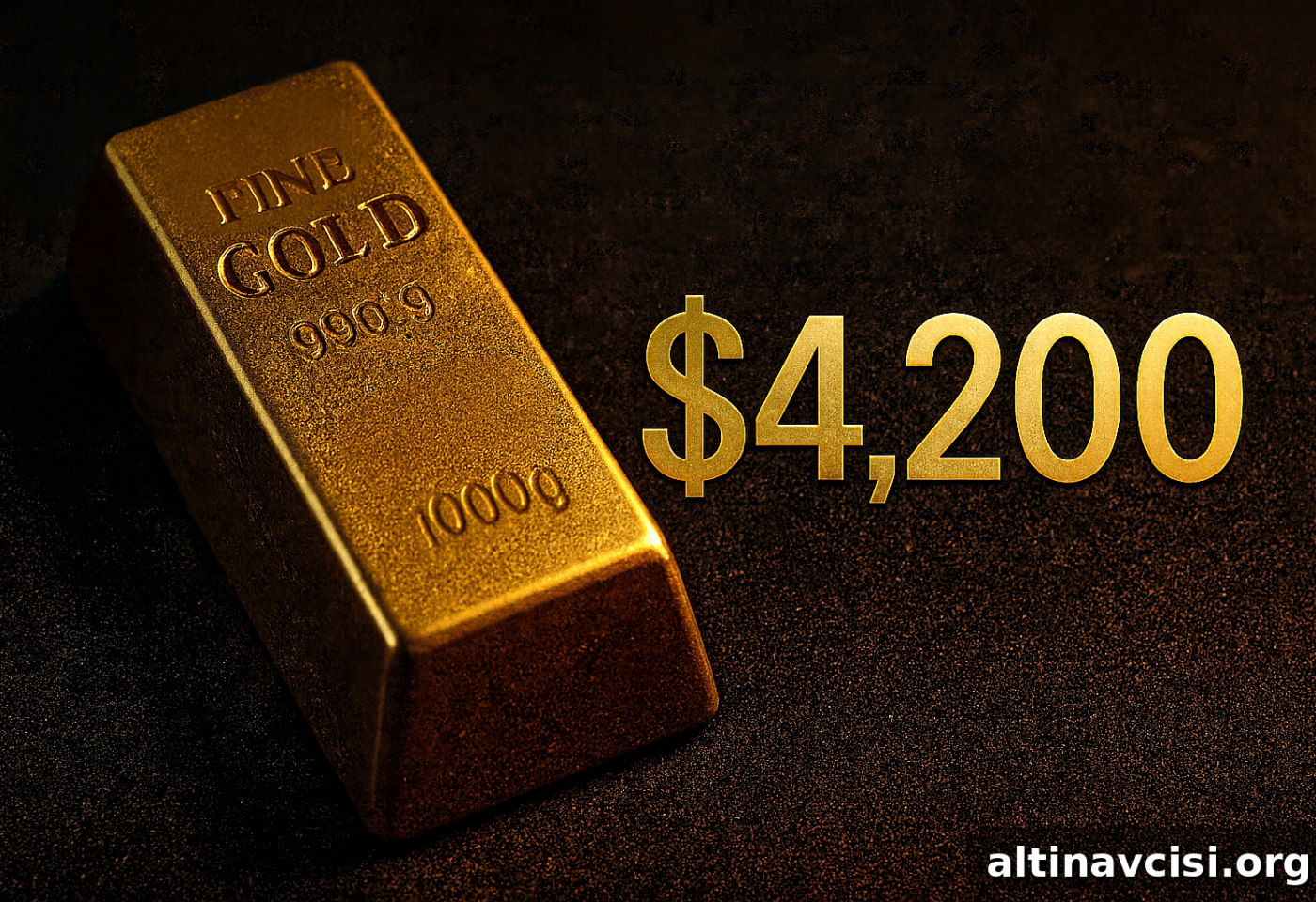
One year ago, gold traded near $2,660 per ounce. Today it has climbed above $4,200 per ounce, marking one of the fastest and most powerful rallies in recent memory. The 12‑month surge has been driven by heavy central bank buying, rising global debt pressures, and renewed concerns about inflation and currency depreciation.
Gold is now roughly 58% higher year‑over‑year and about 155% higher over the last three years, outpacing major equity indexes over the same period. With the Federal Reserve signaling a pivot toward rate cuts and confidence in traditional fiat systems under strain, many investors are treating gold not only as a hedge but increasingly as a core portfolio asset.
Is this Bull Run Over? Dimon Says Gold Could Go to $5,000 – $10,000
JPMorgan CEO Jamie Dimon has heightened interest in the rally, calling the move “semi‑rational” and suggesting that, in the current environment, gold “could easily go to $5,000, $10,000.” He pointed to structural inflation, record U.S. deficits, and eroding confidence in fiat currencies as key drivers for continued demand.
Markets reacted: futures volumes jumped and major mining stocks rallied. Analysts note that Dimon’s comments echo themes central banks have emphasized for months — namely, growing fiat risk and a renewed role for gold as a reserve asset. Even if inflation moderates, stubborn debt dynamics and rising interest expenses are likely to support long‑term demand for the metal.
EU’s Ukraine Funding Plan Could Spur More Central Bank Gold Buying
The European Union’s plan to use frozen Russian state assets to help finance Ukraine has alarmed central bankers and may accelerate a move to diversify reserves away from assets held abroad. Although the plan avoids outright confiscation, many sovereign managers view the decision as a reminder that foreign‑held reserves are not immune to political risk.
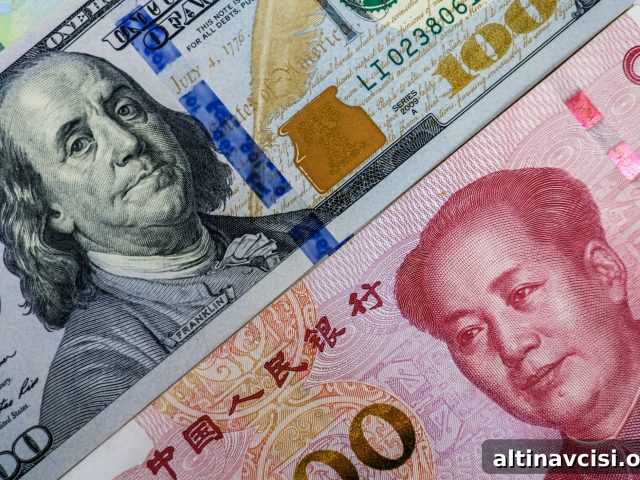
Since 2022, central banks have been purchasing more than 1,000 tonnes of gold annually — about twice the prior five‑year average — and analysts forecast continued strong demand. Gold has even overtaken the euro as the world’s second‑largest reserve asset behind the U.S. dollar. That shift reflects growing caution about the security of Western financial infrastructure and is prompting some countries to hold more tangible assets like gold.
China Tightens Grip on Rare Earths — And the West Has Few Options
China has implemented tighter export controls on seven key rare earth elements, reinvigorating concerns about critical supply chain vulnerabilities. These materials are essential for electric vehicles, semiconductors, and defense technologies, and China currently dominates the global refining capacity for rare earths.
Washington and Brussels are seeking alternatives, but diversifying supply will require years of investment and significant capital. The broader implication for investors is clear: when governments are willing to restrict or weaponize strategic resources, assets that cannot be embargoed or suddenly cut off — such as gold and silver — gain relative appeal.
Silver Market 2025: What’s Behind the $8 East–West Price Gap
In 2025 the silver market has shown an extraordinary divergence between East and West pricing, with an East–West premium nearing $8 per ounce. Chinese buyers are paying record premiums for physical silver while Western paper markets still show much lower prices, signaling a growing disconnect between physical supply and futures pricing.
Lease rates for physical silver have surged to about 33%, a level that typically indicates acute shortages and severe financing stress. Short sellers face steep borrowing costs and limited access to metal, forcing some market participants to ship physical bars across oceans just to cover positions. If the imbalance persists, the physical market could increasingly set global pricing rather than paper exchanges.
The combination of central bank buying, geopolitical risk, supply constraints in critical materials, and a bifurcated silver market has reshaped how many investors view precious metals. For those focused on portfolio protection and real‑asset exposure, gold and silver are once again central themes in 2025.
Popular Topics
Picked from the archive
-
01
 Topics
Japan Election Promises and Tariff Fears Rattle Bond Market
-
02
Topics
Switzerland Seeks US Pledge to Keep Gold Tariff-Free
-
03
Topics
Trump’s Global Trade Timeline: From July to Labor Day
-
04
Topics
Market Update: Gold Steady, Shoppers Cautious, Nvidia Scrutinized
-
05
Topics
Gold Price Falls Below 50-Day Moving Average
-
06
Topics
Will U.S. Sanctions on India’s Russian Oil Backfire?
-
07
Topics
US-China Trade Talks in London Aim to Ease Export Controls
-
08
Topics
Why Gold Moves Differently from Stocks and What It Means