Inside the Fed’s Most Contentious Jackson Hole Meeting
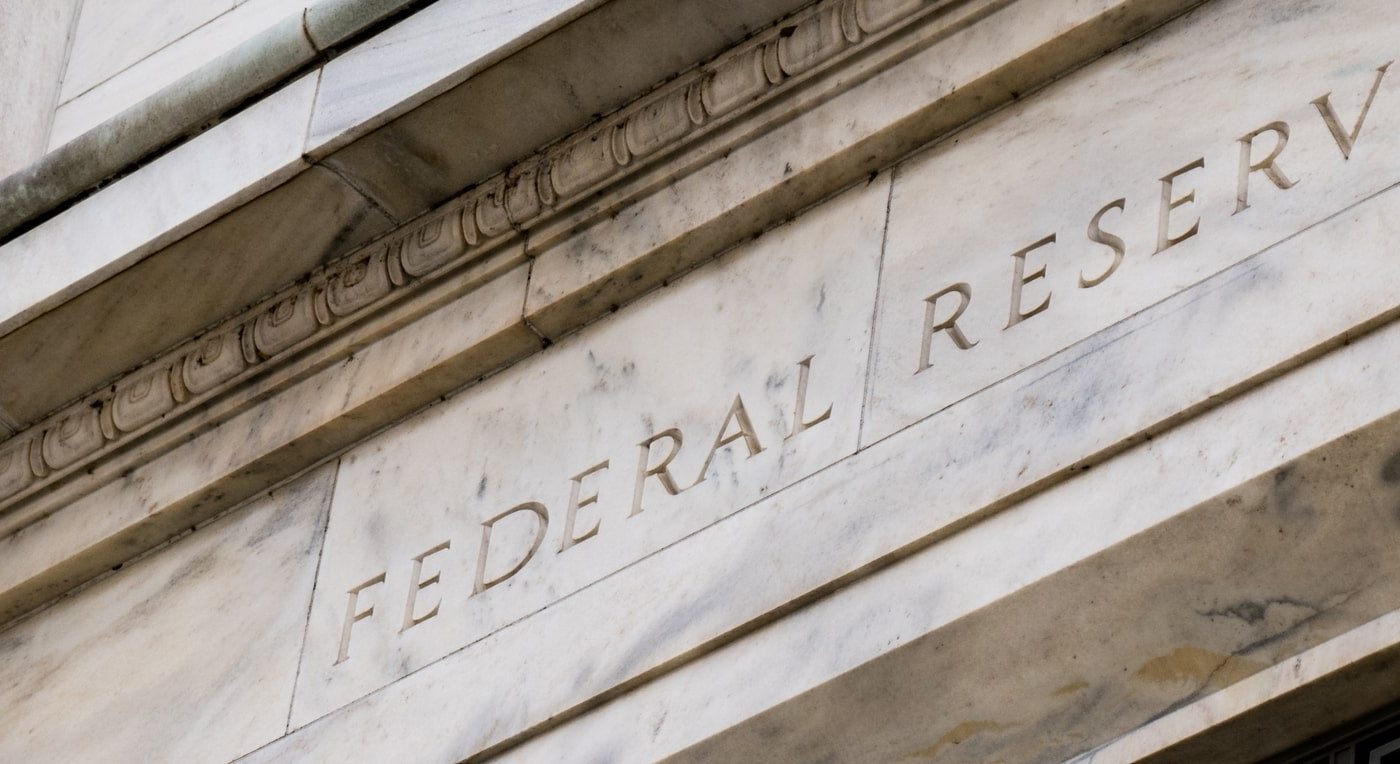
Fed Divisions Emerge at Jackson Hole as Powell Signals Possible September Rate Cuts
The annual Jackson Hole conference exposed clear divisions within the Federal Reserve as Chair Jerome Powell signaled the possibility of interest rate cuts as soon as September, even as officials confront a “challenging situation” marked by persistent inflation and signs of weakening in labor markets. The meeting underscored how difficult it is for the Fed to calibrate monetary policy when inflation remains stubborn while job market indicators show softening, creating mixed signals for policymakers and markets alike.
Political tensions also loomed large over the gathering. In a high-profile incident that heightened concern about the central bank’s institutional independence, President Trump publicly threatened to remove Fed Governor Lisa Cook. The confrontation prompted increased security at the conference and generated intense debate among attendees about the risks political interference poses to the Fed’s ability to pursue long-term macroeconomic stability. Global participants at Jackson Hole were attentive to these developments, recognizing that threats to central bank independence can reverberate beyond U.S. borders and affect international financial stability.
Chicago Fed President Austan Goolsbee described the economy as facing “cross-currents” in what he called a “difficult environment,” capturing the delicate trade-offs confronting policymakers. Goolsbee’s remarks reflected a broader concern within the Fed about the timing of policy adjustments: easing too soon could reignite inflation pressures, while delaying accommodation could exacerbate labor market deterioration and weigh on growth. These competing priorities complicate the Fed’s task of setting an appropriate interest rate path that supports both price stability and maximum employment.
Internal disagreements were evident in recent Federal Open Market Committee (FOMC) activity. At the July meeting, two governors issued dissenting votes, signaling that consensus on the timing and magnitude of future rate adjustments is fragile. Such dissents are an important indicator of underlying debates among Fed officials and suggest that the path forward may involve further public and private deliberation before a firm policy direction is set.
Against this uncertain backdrop, Chair Powell outlined a streamlined policy framework intended to refocus the Fed’s efforts on its core mandates: price stability and maximum sustainable employment. The simplified approach aims to clarify decision-making priorities and enhance transparency for markets and the public. Powell’s presentation received a standing ovation from many global central bankers, economists, and financial market participants attending the conference—an expression of support for the Fed’s role and its institutional independence even as operational choices remain contested.
The Jackson Hole conference highlighted several broader themes relevant to monetary policy and economic management. First, the Fed must balance short-term cyclical developments with its long-term credibility on inflation control. Persistent inflation can erode purchasing power and expectations, while a weakening labor market can inflict real hardship and call for supportive policy. Second, communication and clarity are essential; by articulating a simplified framework, the Fed seeks to reduce market confusion and reinforce predictability around future actions. Third, political interference presents a tangible risk to effective central banking; participants at Jackson Hole repeatedly stressed the importance of safeguarding operational independence to maintain trust in monetary policy.
Financial markets closely watched the tone and content of the speeches and discussions, with investors parsing every nuance for clues on the timing of rate cuts, the likely scale of easing, and how the Fed will respond to incoming economic data. The interplay between inflation trends, labor market signals, and political pressures creates an especially complex operating environment for the Fed, making flexibility and careful communication all the more important.
In sum, Jackson Hole served as a vivid reminder of the tightrope the Federal Reserve must walk: managing inflation without unduly harming employment, maintaining credibility with markets, and preserving institutional independence amid rising political tensions. The conference did not resolve those tensions, but it did clarify the contours of the debate and signal that the path ahead will require skillful judgment, clear rules of engagement, and continued vigilance in interpreting an economy full of mixed signals.
Popular Topics
Picked from the archive
-
01
 Topics
Silver Could Double in 2025 as Dollar Dominance Fades
-
02
Topics
Gold, Silver Gain in Trump-Fed Standoff Over Governor Dismissal
-
03
Topics
Investors Flock to China Gold ETFs as Inflows Hit Record
-
04
Topics
Trump Imposes 25% Tariff on India’s Oil Imports From Russia
-
05
Topics
Record Gold Floods Shanghai as Traders Exploit Futures Arbitrage
-
06
Topics
Gold Prices Hold as Fed Faces Tough Interest Rate Decision
-
07
Topics
Geopolitics, Copper Tariffs and OPEC Plus Drive Oil Prices
-
08
Topics
RBA Warns Inflation Risks Remain Despite Current Calm