Uganda Opens 250M Chinese-Backed Gold Refinery to Boost Mining
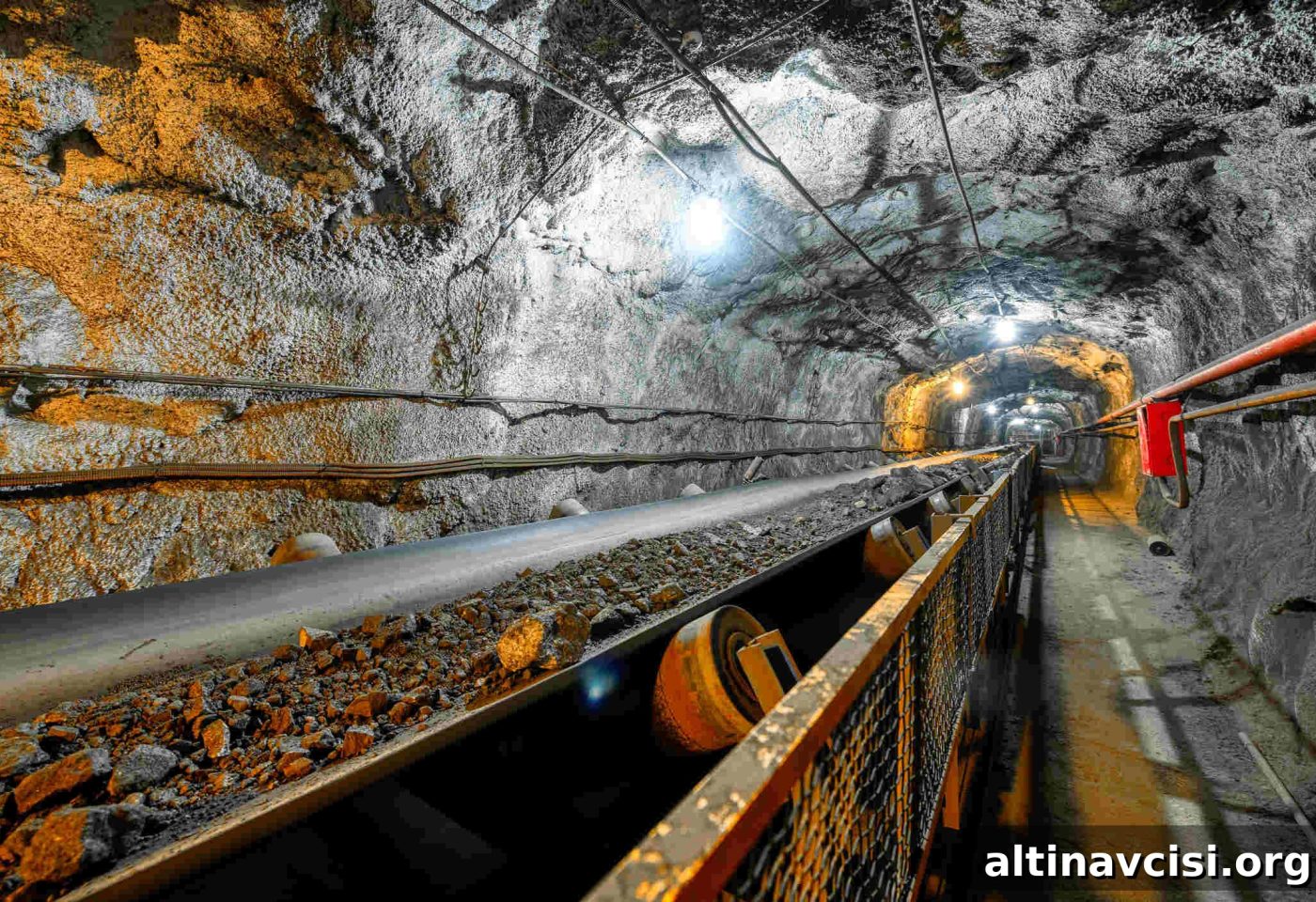
Uganda Launches First Large-Scale Gold Mine: Wagagai Project Begins Commercial Production
Uganda has officially opened its first large-scale gold mine: the Chinese-owned Wagagai Gold Mining Project, a $250 million facility located in Busia District. The launch represents a major policy shift in Uganda’s mining sector, moving away from the long-standing practice of exporting unprocessed minerals and toward local processing and value addition.
Production Capacity and Output
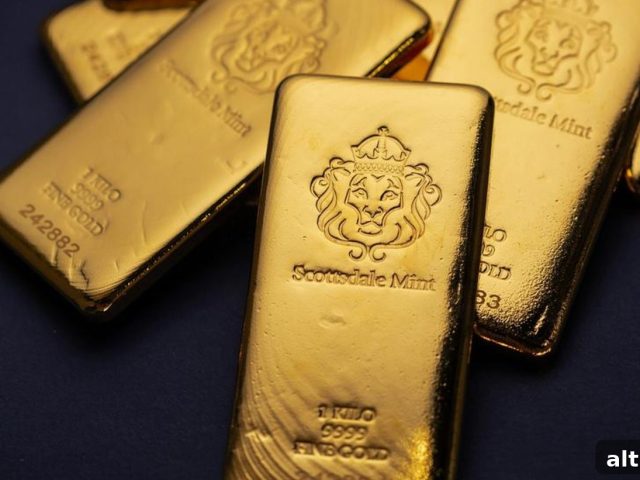
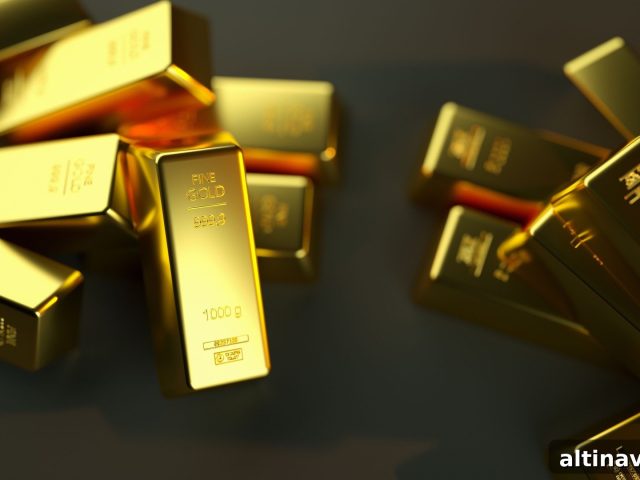
The Wagagai facility is designed to process 5,000 tons of ore each day. At full capacity, the plant is expected to produce approximately 1.2 metric tons of refined gold annually with a reported purity of 99.9%. This level of on-site refinement means that a larger share of Uganda’s natural resource value will be captured domestically rather than shipped abroad in raw form.
Economic Impact and Revenue Expectations
Officials project the Wagagai Gold Mining Project will generate more than $100 million in revenue each year for the next 21 years. Those revenues are earmarked to support national infrastructure priorities. Government statements highlight plans to channel the income into projects such as power stations and a major railway initiative valued at $3.16 billion, reinforcing the mine’s role as a strategic engine for broader economic development.
Employment and Local Benefits
The mine is expected to create over 3,000 direct jobs, with additional indirect employment and business opportunities arising in related sectors such as transport, services, and local supply chains. Beyond direct hires, local communities are likely to see increased commercial activity as workers and contractors spend locally and as ancillary businesses form to support mining operations.
Context: Uganda’s Gold Exports
Gold has already been a significant contributor to Uganda’s export earnings. In 2023, Uganda recorded $3.4 billion in gold export revenues, accounting for 37% of the country’s total export earnings. Government observers note, however, that much of that sum reflected re-exports rather than domestically processed production. The Wagagai project aims to change that balance by keeping higher-value refining and processing within Uganda’s economy.
Strategic Shift: From Raw Exports to Value Addition
President Museveni and other officials have framed the Wagagai mine as emblematic of a new approach to mineral resource management. By investing in on-site processing and refining capacity, Uganda hopes to increase tax revenues, stimulate infrastructure investment, and retain a greater portion of the wealth generated from its natural resources. The project signals an intentional move to reduce dependence on raw mineral exports and to capture more value locally.
Long-Term Outlook and National Priorities
With a projected operating horizon of at least 21 years and steady annual revenues, Wagagai is positioned to contribute to long-term development financing. The government plans to use proceeds from the mine to accelerate public works, including energy projects and the planned $3.16 billion railway, which are presented as critical for economic growth and connectivity. If managed transparently and efficiently, these investments could amplify the mine’s local and national benefits.
Summary
The Wagagai Gold Mining Project in Busia District marks a notable milestone for Uganda’s mining sector: a $250 million facility that processes 5,000 tons of ore per day and yields about 1.2 metric tons of 99.9% pure gold each year. Expected to produce more than $100 million annually and create over 3,000 direct jobs, the project is intended to support infrastructure development and reduce the country’s reliance on exporting unprocessed minerals. With Uganda having earned $3.4 billion from gold exports in 2023—much of it from re-exports—the new mine represents a strategic effort to increase domestic value addition and direct more resource revenues toward national development priorities.
Popular Topics
Picked from the archive
-
01
 Topics
Japan Election Promises and Tariff Fears Rattle Bond Market
-
02
Topics
Switzerland Seeks US Pledge to Keep Gold Tariff-Free
-
03
Topics
Trump’s Global Trade Timeline: From July to Labor Day
-
04
Topics
Market Update: Gold Steady, Shoppers Cautious, Nvidia Scrutinized
-
05
Topics
Gold Price Falls Below 50-Day Moving Average
-
06
Topics
Will U.S. Sanctions on India’s Russian Oil Backfire?
-
07
Topics
US-China Trade Talks in London Aim to Ease Export Controls
-
08
Topics
Why Gold Moves Differently from Stocks and What It Means