Why Gold Is Defying Market Signals in 2025
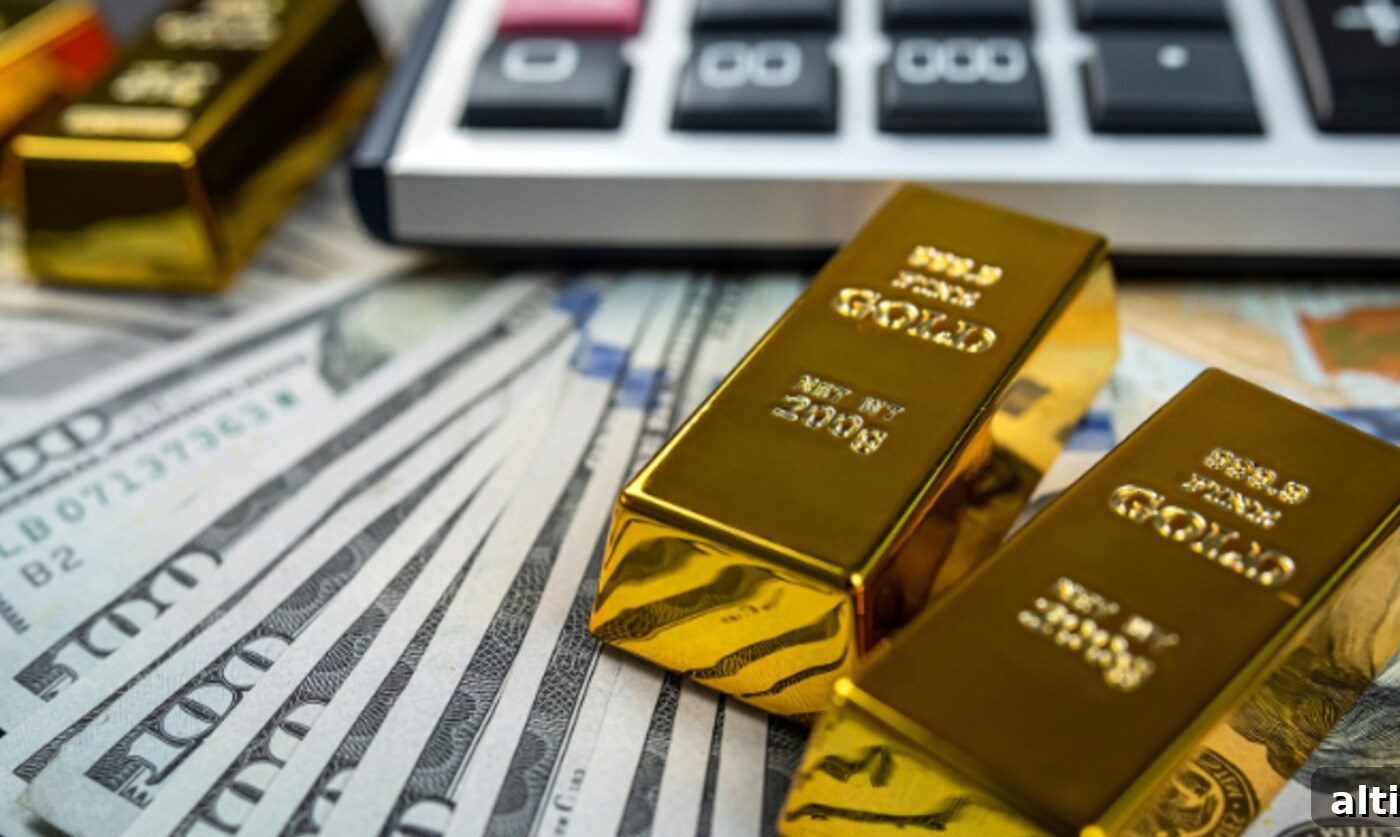
Gold Rally in 2025: Why the Metal Is Surging and What It Means for Investors
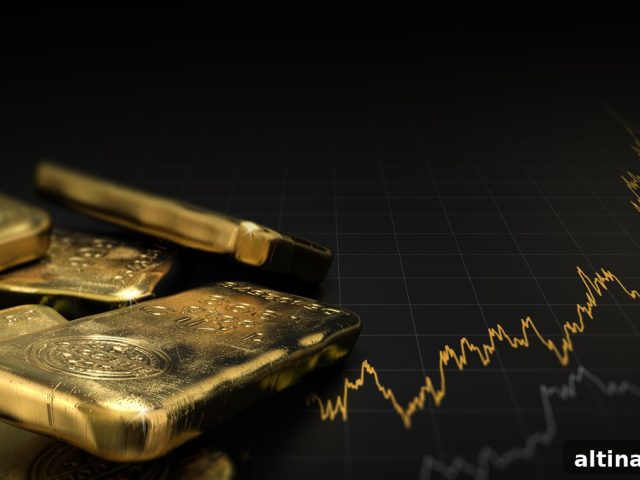
Gold has extended a remarkable run in 2025, rising more than 25% year-to-date and positioning itself for a third consecutive year of double-digit gains — a streak not seen since the mid-2000s. This rally has defied many traditional market expectations, with the precious metal increasingly driven by geopolitical uncertainty, trade protectionism, and large-scale central bank purchases rather than the conventional signals of real yields and dollar strength.
Breaking from Traditional Drivers
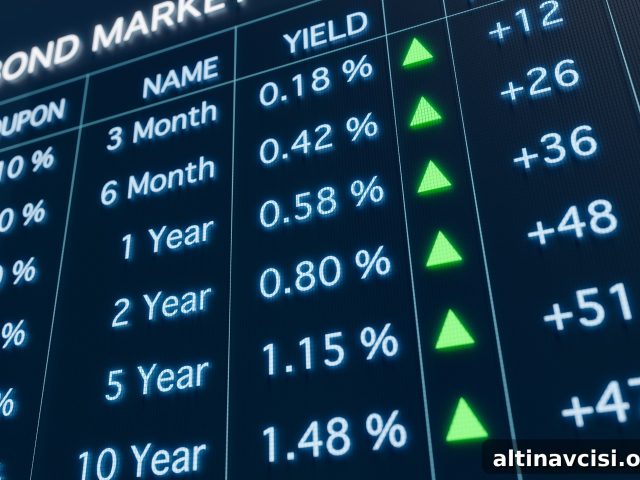
Historically, gold prices have moved in close relation to real interest rates, the strength of the U.S. dollar, and inflation expectations. In 2025, those relationships have become less reliable. Even as real yields and currency moves have fluctuated, demand for physical gold and bullion-backed assets has remained strong. That divergence highlights how investor behavior can shift when broader economic and political risks rise, and when central banks alter their reserve strategies.
Central Bank Buying and Reserve Diversification
One of the most notable forces supporting prices has been sustained buying by central banks, particularly in Asia and other emerging markets. These institutions are increasingly adding gold to their reserves as part of a strategy to diversify away from a heavy reliance on the dollar. Central bank purchases serve as a steady source of demand because they tend to be long-term and strategic rather than speculative, helping to underpin price levels even when other drivers are mixed.
Geopolitical Tensions and Trade Protectionism
Heightened geopolitical tensions and rising protectionism in trade policies have pushed some investors and policymakers toward assets viewed as reliable stores of value. Gold’s historical role as a safe haven becomes more pronounced in periods of political uncertainty, sanctions, or disputes over trade and technology. When cross-border flows are uncertain or when the outlook for global cooperation dims, demand for gold as a non-sovereign asset typically increases.
Gold’s Role in Portfolios: Diversifier and “Financial Panic Button”
Rothschild & Co, which has maintained a strategic overweight position in gold, frames the metal as a portfolio diversifier and what it calls a “financial panic button.” In that role, gold is not intended to generate quick returns but to provide protection and liquidity during episodes of market stress. For investors focused on preserving capital amid geopolitical and policy uncertainty, a measured allocation to gold can reduce overall portfolio volatility and provide an alternative when traditional assets underperform.
Potential Headwinds to Watch
Despite strong momentum, gold is not without potential challenges. Higher nominal and real interest rates can raise the opportunity cost of holding non-yielding assets, and a sustained period of rising rates could pressure prices. Competition from alternative assets, including some cryptocurrencies that market themselves as digital stores of value, introduces new dynamics for investor appetite. That said, gold’s long track record as a physical asset and its central-bank backing give it a distinct role versus newer digital alternatives.
Recent Price Stagnation and Longer-Term Perspective
After months of gains, gold has recently shown periods of price stagnation. Such consolidation is common after extended rallies and can reflect profit-taking, shifts in sentiment, or temporary reductions in risk aversion. Rothschild & Co emphasizes that the metal’s primary function is wealth preservation rather than rapid appreciation. For long-term investors, the current backdrop of ongoing global uncertainties — including the possibility of continued policy and geopolitical disruption under the Trump administration — supports the case for maintaining an exposure to gold as insurance against unforeseen shocks.
What Investors Should Consider
For investors weighing gold exposure, the key considerations are time horizon, allocation size, and the form of exposure (physical bullion, ETFs, futures, or allocations via financial institutions). Gold can complement equities, bonds, and other real assets, particularly when correlations among traditional asset classes increase during crises. A disciplined, diversified approach that treats gold as an insurance policy rather than a speculative bet aligns with the cautious rationale many wealth managers now advocate.
Popular Topics
Picked from the archive
-
01
 Topics
U.S. Jobs Surge Dims Chances of July Fed Rate Cut
-
02
Topics
Trump Imposes 50% Copper Tariff, Global Markets Reeling
-
03
Topics
Tariffs Drive Up Consumer Prices as Inflation Rises
-
04
Topics
Trump’s Big Beautiful Bill Clears House; Senate Vote Looms
-
05
Topics
Treasury Yields Jump After May Inflation Tops Estimates at 2.7%
-
06
Topics
Trump Threatens 100% Tariff on Chips to Revive U.S. Manufacturing
-
07
Topics
When Should You Start a Precious Metals IRA?
-
08
Topics
Cryptocurrency Prices Slide as Investors Exit Risk Assets