VIX at Yearly Low as Wall Street Investors Shrug
Why Financial Markets Are So Calm Right Now
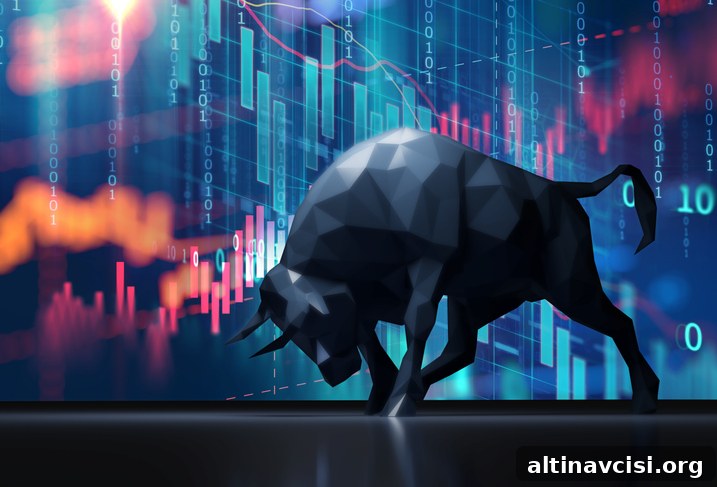
Financial markets have grown unusually tranquil in recent weeks, with volatility readings for stocks, bonds and currencies all falling to yearly lows. The VIX, often called the market’s “fear gauge,” has declined to its lowest level since December, while Treasury-market volatility has eased back to levels not seen since early 2022. That combination of subdued price swings across asset classes stands out against a backdrop of ongoing risks, including geopolitical tensions, persistent inflation pressures and public criticism of the Federal Reserve from political figures.
Three key reasons behind the low volatility
Market participants and analysts point to three primary drivers behind the calm:
- Large cash reserves on the sidelines: Many institutions and individual investors are holding substantial cash positions. That cash acts as a buffer and a ready source of buying power if prices dip, helping to support markets when there is any sign of stress. The expectation that buyers will step in quickly can compress swings in prices.
- A stronger-than-expected economy: Economic data has so far avoided tipping the United States into recession, and several indicators show more resilience than feared. That resilience reduces the likelihood of abrupt, recession-driven market shocks and lowers the perceived need for rapid asset re-pricing.
- Investor assumptions about political rhetoric: Some investors appear to be treating aggressive political statements — including criticism of the Federal Reserve — as largely rhetorical. Based on previous episodes, many participants expect that extreme threats or blunt language will be softened over time or won’t translate into immediate policy shifts, which removes an extra layer of near-term uncertainty.
What the calm means for markets and monetary policy expectations
As volatility has eased, equity markets have pushed higher: the S&P 500 has reached new record levels, reflecting optimism about earnings and the broader economy. Alongside improving inflation trends, these conditions have altered expectations for the Federal Reserve’s path. Markets now generally anticipate two to three rate cuts by year-end, a shift from earlier expectations of a tighter policy stance.
Lower volatility can encourage more risk-taking, as traders view sudden losses as less likely and investors feel more comfortable extending allocations to equities or other higher-return assets. It can also reduce the cost of hedging positions, since options premia tend to fall when the VIX is low. For longer-term investors, a calmer market may be an opportunity to rebalance portfolios toward targeted allocations, but it also raises the question of whether current calm is sustainable.
Risks that could reverse the calm
Despite the immediate tranquility, several risks could quickly bring volatility back to markets. Geopolitical flash points or an escalation of international tensions remain potent catalysts for sudden market moves. Inflation could re-accelerate if energy or goods prices spike, undermining the disinflation narrative. And changes in Fed communication or unexpected data that materially alters the outlook for growth or inflation could prompt rapid re-pricing of rates and risk assets.
Investors should also be mindful of behavioral dynamics: when many market participants assume stability, positioning can become crowded. Crowded trades are vulnerable to fast, outsized moves if conditions change. In that sense, low volatility itself can store the seeds of a sharper move later on.
Practical considerations for investors
Given the current environment, a few practical considerations may help investors navigate calm markets:
- Maintain diversification across asset classes to protect against sudden regime shifts.
- Manage position sizing and liquidity needs in case volatility returns and you need to adjust holdings quickly.
- Use dips to evaluate long-term investments rather than chasing short-term momentum, especially when valuations rise alongside low volatility.
- Keep an eye on key economic indicators, central bank commentary and geopolitical developments that can alter the outlook rapidly.
In short, today’s low volatility reflects a combination of ample cash waiting to buy dips, a stronger-than-feared economy and investor expectations that political rhetoric will not immediately upend policy. While those factors have helped markets push to new highs and recalibrate expectations for Fed rate cuts, the calm is not a guarantee of smooth sailing indefinitely. Continued vigilance and sound risk management remain important in a world where conditions can change quickly.
Popular Topics
Picked from the archive
-
01
 Topics
U.S. Jobs Surge Dims Chances of July Fed Rate Cut
-
02
Topics
Trump Imposes 50% Copper Tariff, Global Markets Reeling
-
03
Topics
Tariffs Drive Up Consumer Prices as Inflation Rises
-
04
Topics
Trump’s Big Beautiful Bill Clears House; Senate Vote Looms
-
05
Topics
Treasury Yields Jump After May Inflation Tops Estimates at 2.7%
-
06
Topics
Trump Threatens 100% Tariff on Chips to Revive U.S. Manufacturing
-
07
Topics
When Should You Start a Precious Metals IRA?
-
08
Topics
Cryptocurrency Prices Slide as Investors Exit Risk Assets