Trump Threatens EU With 250% Tariffs on Pharmaceuticals
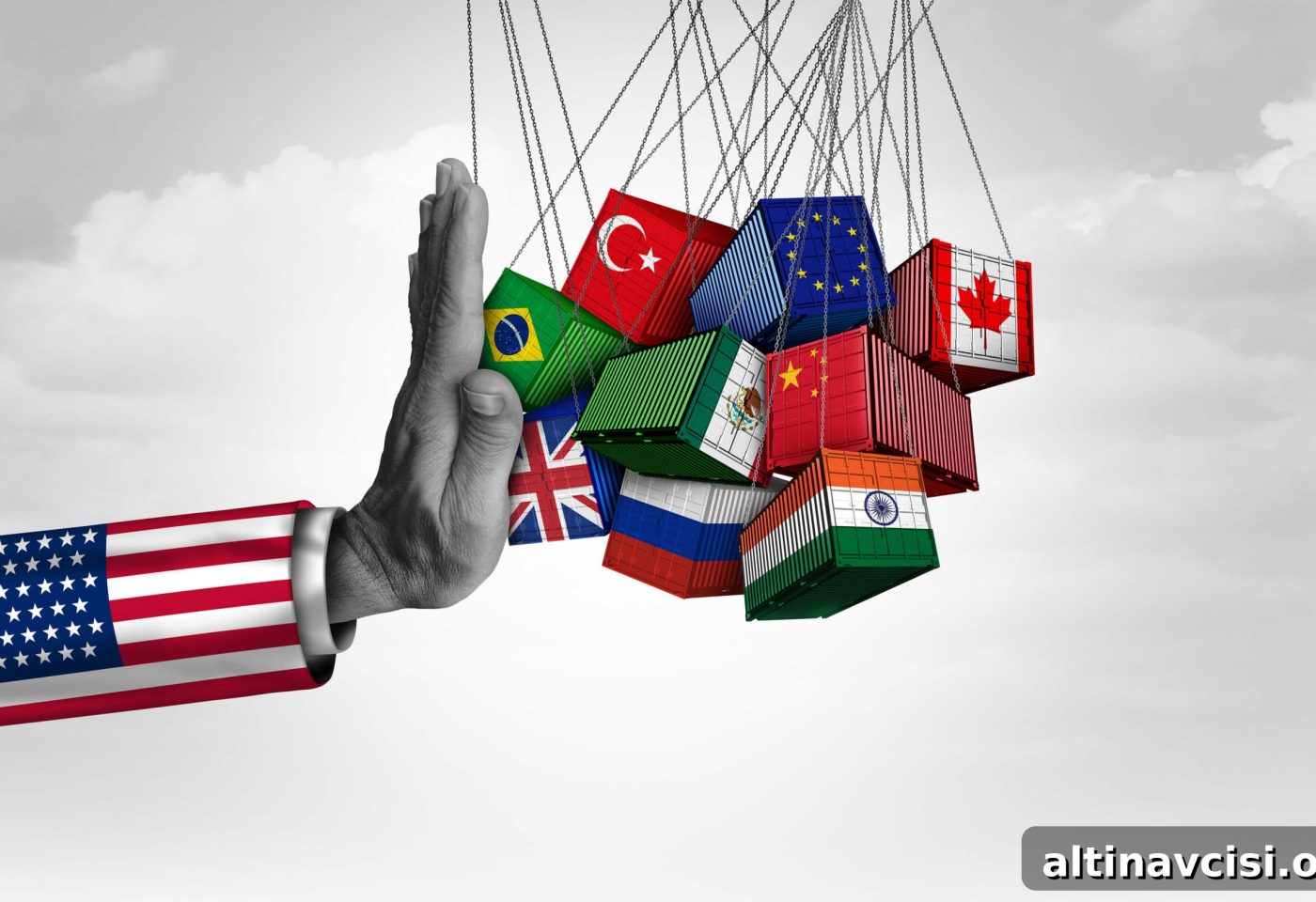
Trump Announces Plans for Steep Tariffs on Imported Pharmaceuticals
President Donald Trump has announced plans to impose tariffs on imported pharmaceuticals, beginning at a relatively low level and potentially increasing to as much as 250% within the next year to year and a half. The administration frames the move as part of a broader effort to incentivize domestic production in critical sectors, especially healthcare and technology, and to reduce reliance on foreign supply chains for medicines and related products.
Objectives Behind the Tariff Proposal
The stated objective of the proposed pharmaceutical tariffs is to encourage reshoring of drug manufacturing and strengthen the domestic healthcare supply chain. By making imports more expensive, policymakers aim to create stronger market incentives for pharmaceutical companies to produce medicines, active pharmaceutical ingredients, and related components in the United States. Advocates say this could improve national security, reduce vulnerability to overseas disruptions, and support high-skilled manufacturing jobs in the healthcare and technology sectors.
Timeline and Potential Escalation
According to the announcement, the tariff plan would start at a lower rate before escalating over time, with a possibility of reaching a maximum tariff rate of 250% within roughly 12 to 18 months. That phased approach is intended to give manufacturers, distributors, and healthcare providers some time to adjust supply chains, identify domestic suppliers, or pursue alternative sourcing strategies. At the same time, the prospect of such a substantial tariff increase introduces significant uncertainty for importers, wholesalers, hospitals, pharmacies, and other stakeholders who currently rely on global pharmaceutical supply lines.
Conditions for Broader Trade Actions
In addition to the pharmaceutical tariffs, the President issued a warning directed at the European Union. He said the EU could face increased tariffs if it does not follow through on a promised $600 billion investment in the United States, characterizing that potential investment as a “gift.” The statement ties trade policy to investment commitments and signals that trade measures could be used as leverage in negotiations over foreign investment and economic cooperation.
Possible Economic and Market Impacts
Large-scale tariffs on imported pharmaceuticals could produce a range of outcomes. On one hand, higher duties might encourage companies to invest in domestic pharmaceutical manufacturing and related technology, potentially creating jobs and strengthening local production capabilities. On the other hand, tariffs can raise the cost of imported drugs and active ingredients, which could translate into higher prices for hospitals, clinics, insurers, and patients. Supply chain adjustments may also lead to short-term disruptions as firms reconfigure sourcing and manufacturing plans.
For the broader economy, the policy could affect pharmaceutical companies differently depending on their manufacturing footprints and supply chain strategies. U.S.-based producers with domestic capacity might benefit from reduced import competition, while firms dependent on global sourcing could face margin pressure or regulatory and logistical challenges. Investors and market participants are likely to weigh these risks as they assess company outlooks and sector dynamics.
Trade Relations and Regulatory Considerations
Using tariffs as a negotiating tool could increase tensions with trading partners, including the European Union. While the announcement links potential tariff increases to investment commitments, such measures frequently prompt legal and diplomatic responses under international trade rules. Trade disputes can lead to reciprocal tariffs, investigations, or formal challenges through multilateral trade organizations. Any prolonged disagreement could complicate transatlantic economic relations and affect broader technology and healthcare collaboration.
What to Watch Next
Key developments to monitor include the specific scope of the tariff list—what pharmaceutical products and raw materials will be covered—and the timetable and mechanics for any rate increases. Stakeholders will also track administrative steps, such as notice periods, public consultations, or rulemaking procedures that govern tariff implementation. Equally important will be responses from the pharmaceutical industry, healthcare providers, insurers, and international partners, all of which may influence final policy design and outcomes.
As the proposal moves forward, policymakers will face trade-offs between strengthening domestic manufacturing and managing potential cost increases and international trade frictions. The announcement highlights a shift toward more assertive trade measures focused on critical sectors like pharmaceuticals and technology, with potential ripple effects across the healthcare supply chain and international economic relations.
Popular Topics
Picked from the archive
-
01
 Topics
U.S. Jobs Surge Dims Chances of July Fed Rate Cut
-
02
Topics
Trump Imposes 50% Copper Tariff, Global Markets Reeling
-
03
Topics
Tariffs Drive Up Consumer Prices as Inflation Rises
-
04
Topics
Trump’s Big Beautiful Bill Clears House; Senate Vote Looms
-
05
Topics
Treasury Yields Jump After May Inflation Tops Estimates at 2.7%
-
06
Topics
Trump Threatens 100% Tariff on Chips to Revive U.S. Manufacturing
-
07
Topics
When Should You Start a Precious Metals IRA?
-
08
Topics
Cryptocurrency Prices Slide as Investors Exit Risk Assets