World Gold Council: Gold’s Role as an Inflation Hedge Explained
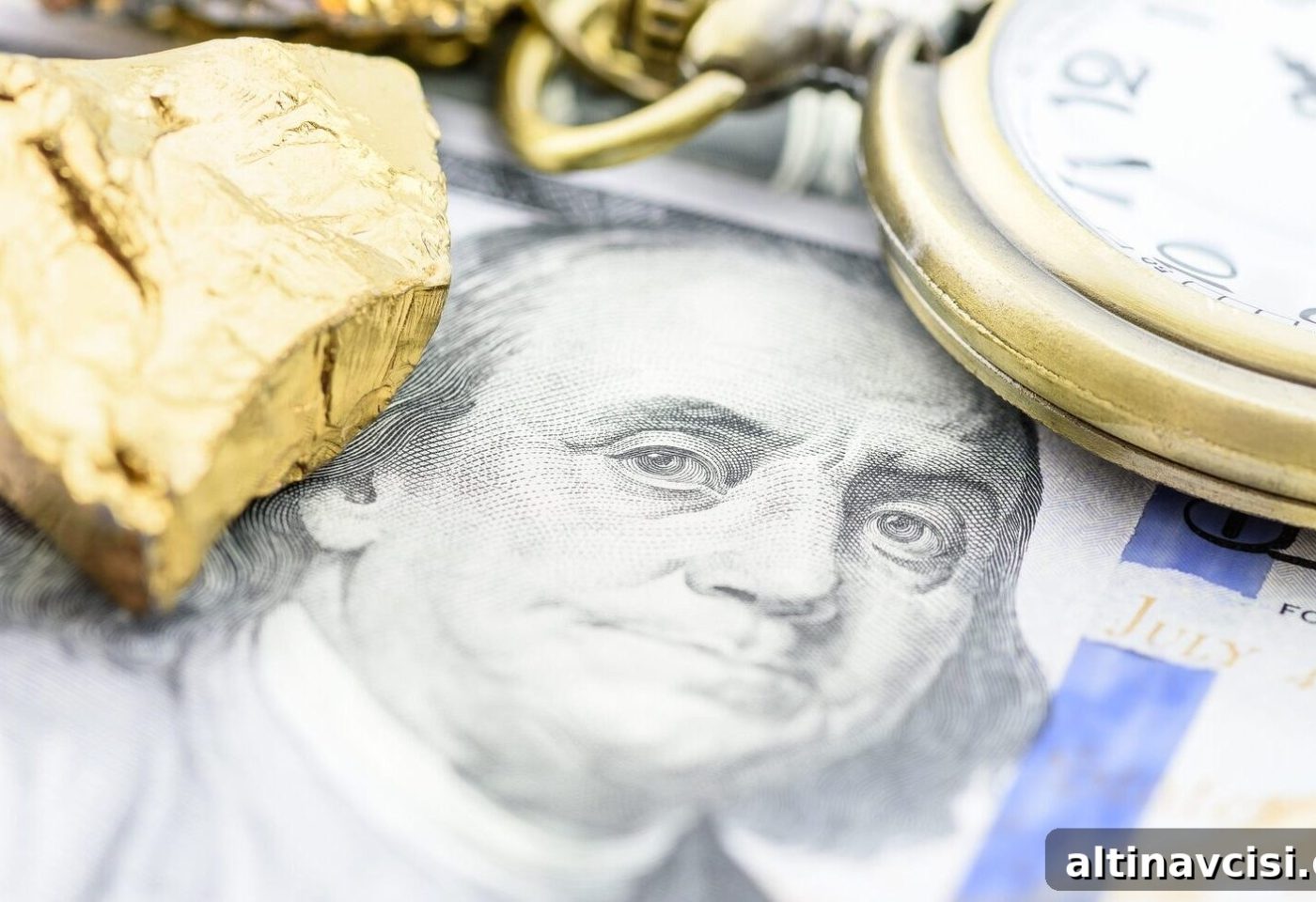
World Gold Council Analysis: Gold Prices and CPI Show a Weak Connection
The World Gold Council’s recent analysis highlights a counterintuitive finding: the link between gold prices and the U.S. Consumer Price Index (CPI) is much weaker than commonly assumed. According to the report, only 16% of the variation in gold prices since 1971 can be explained by changes in CPI inflation. This suggests that gold’s reputation as a straightforward inflation hedge is overly simplistic.
What the 16% Figure Means
A result attributing just 16% of gold’s price movement to CPI changes indicates that the vast majority of gold’s price behavior is driven by other forces. Rather than a direct, mechanical relationship where higher CPI immediately lifts gold prices, the metal’s performance reflects a complex interplay of macroeconomic, financial, and behavioral factors. Investors and observers who expect gold to move in lockstep with headline inflation should be cautious: the evidence shows that such an expectation covers only a small portion of gold’s historical variance.
Why Gold Is Not Simply an Inflation Hedge
The World Gold Council’s report emphasizes that gold’s appeal as an inflation hedge is multifaceted. A few broad categories of influence help explain why CPI alone is an insufficient predictor:
- Monetary policy and real yields: Central bank actions, interest rate decisions, and real (inflation-adjusted) yields can affect gold’s attractiveness relative to interest-bearing assets. Changes in policy expectations or real yields often move markets more immediately than revisions to monthly CPI figures.
- Currency dynamics: The value of the U.S. dollar and other major currencies can alter gold demand and pricing. A stronger dollar typically exerts downward pressure on dollar-denominated gold prices, while dollar weakness can support them.
- Investor behavior and sentiment: Investor flows into and out of gold-related instruments, changes in risk appetite, and shifts in portfolio allocation strategies can cause significant volatility in gold prices independent of inflation readings.
- Geopolitical and economic shocks: Political uncertainty, financial crises, and major global events often trigger safe-haven demand for gold, producing price moves that cannot be captured by CPI alone.
- Supply and demand fundamentals: Physical demand from jewelry, technology, and central bank purchases, as well as mine supply dynamics, influence gold prices over varying horizons.
Implications for Investors and Policy Observers
For investors, the takeaway is that relying solely on CPI forecasts to anticipate gold performance is likely to be insufficient. A more nuanced approach that monitors monetary policy, real interest rates, currency trends, and investor positioning may provide a clearer picture of the forces shaping gold prices. Similarly, policymakers and analysts should recognize that gold’s price movements can signal a broader set of market reactions beyond inflation expectations.
Understanding these multiple drivers can help market participants interpret gold price changes more accurately. For example, a rise in gold concurrent with stable CPI might reflect deteriorating risk sentiment or falling real yields rather than accelerating consumer inflation. Conversely, periods of rising CPI without a corresponding rise in gold could be associated with strong real yields or dollar strength counterbalancing inflationary pressures.
How to Think About Gold’s Role in a Portfolio
Given the complexity underscored by the World Gold Council’s findings, investors who include gold in their portfolios should view it as a component that responds to a range of economic and financial conditions. Gold may serve as a hedge against certain types of risk—currency depreciation, systemic shock, or loss of confidence—while not consistently acting as a direct shield against headline CPI inflation.
Allocations to gold should therefore reflect its multifaceted role: part insurance, part diversification, and part speculative or tactical exposure depending on market conditions and investment objectives. Monitoring the broader macro-financial environment, rather than focusing narrowly on CPI readings, will help investors assess when gold is likely to perform in line with their expectations.
Conclusion
The World Gold Council’s analysis calls for a more sophisticated understanding of what drives gold prices. While CPI and inflation expectations are certainly part of the story, they account for a relatively small share of gold’s historical variation. Monetary policy, currency movements, investor flows, geopolitical factors, and supply-and-demand dynamics all play important roles. Recognizing this complexity leads to better-informed decisions for investors and clearer interpretation of gold’s behavior in different economic environments.
Popular Topics
Picked from the archive
-
01
 Topics
U.S. Jobs Surge Dims Chances of July Fed Rate Cut
-
02
Topics
Trump Imposes 50% Copper Tariff, Global Markets Reeling
-
03
Topics
Tariffs Drive Up Consumer Prices as Inflation Rises
-
04
Topics
Trump’s Big Beautiful Bill Clears House; Senate Vote Looms
-
05
Topics
Treasury Yields Jump After May Inflation Tops Estimates at 2.7%
-
06
Topics
Trump Threatens 100% Tariff on Chips to Revive U.S. Manufacturing
-
07
Topics
When Should You Start a Precious Metals IRA?
-
08
Topics
Cryptocurrency Prices Slide as Investors Exit Risk Assets