Reuters Poll: Flight to Safety Boosts Gold and Silver Forecasts
Gold Forecast 2025–2026: Analysts See Prices Staying Historically High
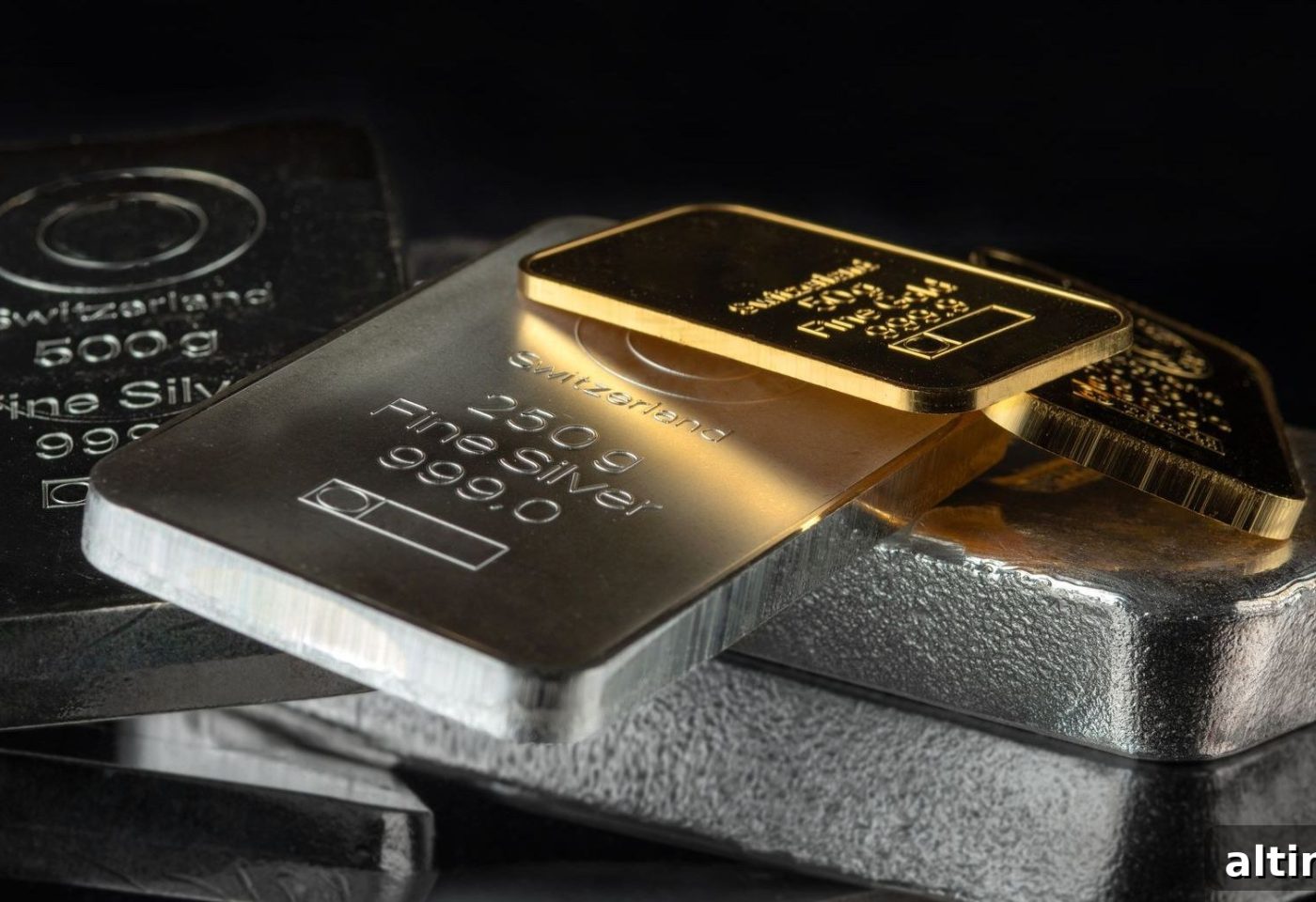
A Reuters poll of 40 analysts and traders indicates that gold is likely to remain at historically high price levels as investors continue to seek safety amid geopolitical tensions and growing concerns about U.S. sovereign debt. The median projection from the survey places the price of gold around $3,220 per ounce in 2025 and $3,400 per ounce in 2026, representing a substantial upward revision from earlier estimates.
Recent Performance and Price Milestones
Spot gold has rallied strongly this year, gaining roughly 27% so far. The metal briefly approached $3,500 per ounce in April during a period of intensified trade hostilities between the United States and China, reflecting its role as a preferred asset when market uncertainty rises. Such price moves underscore how quickly gold can react to shifts in geopolitical sentiment and investor risk appetite.
What Is Driving the Rally?
Several factors underpin the recent surge in gold prices. Chief among them is safe‑haven demand: investors often turn to gold to preserve purchasing power and portfolio value when they perceive elevated risks in global markets. Concerns about U.S. fiscal health—highlighted by commentators in the poll—have strengthened the narrative that gold could continue to attract capital as a hedge against policy and debt worries.
Another important driver is central bank buying. Central banks around the world, particularly in Asia, have increased their gold holdings in recent years. Continued accumulation by official institutions supports a tighter physical market and reduces available supply for other buyers. In the Reuters poll, participants pointed specifically to growing central bank demand as a structural factor supporting higher prices.
Diversification away from the U.S. dollar is also a recurring theme. As some governments and large investors seek to spread currency and reserve risk, gold is often used as a non‑correlated asset to complement traditional dollar‑denominated holdings. That trend can amplify upward pressure on prices when confidence in major currencies wavers.
Analyst Views and Potential Upside
Market professionals participating in the poll provided a range of views on near‑term and medium‑term price outcomes. For example, David Russell of GoldCore characterizes the gold rally as a signal of mounting fiscal concerns and suggests that prices could reach $4,000 per ounce by late 2026 if U.S. debt issues intensify. While such a scenario depends on evolving economic and policy developments, it highlights how investor perceptions of sovereign risk can materially influence precious metals markets.
Silver and Other Precious Metals
Silver has enjoyed parallel momentum. The metal is up about 32% this year and benefited from both industrial demand and its traditional status as a safe‑haven asset. Forecasts from the same Reuters poll put silver at an average of approximately $34.50 per ounce in 2025 and around $38 per ounce in 2026. Like gold, silver’s outlook will be shaped by a mix of macroeconomic factors, central bank behavior, and changes in investor risk preferences.
Implications for Investors
For investors, the poll’s results reinforce the case for considering precious metals within a diversified portfolio, particularly during periods of heightened geopolitical tension and fiscal uncertainty. Higher projected prices may encourage some market participants to increase exposure to physical gold, exchange‑traded funds, and select mining equities. However, prospective buyers should weigh factors such as storage and insurance costs, liquidity, and the potential for price volatility.
Outlook
While forecasts are not guarantees, the consensus from this group of analysts and traders points to a significantly higher baseline for gold over the next two years than many market participants had expected previously. Central bank purchases, demand for diversification away from the dollar, and persistent concerns about fiscal trajectories are likely to remain key themes shaping precious metal prices through 2025 and 2026.
Popular Topics
Picked from the archive
-
01
 Topics
Why Trump Cannot Fire Federal Reserve Chair Jerome Powell
-
02
Topics
New BRICS Currency: Global Impact by 2026-27
-
03
Topics
Precious Metals Poised for 2% Weekly Slide as China Tensions Rise
-
04
Topics
Buy Now, Pay Later Surges for Everyday Essentials
-
05
Topics
Fed Chair Holds Rates Firm as Trump Urges GOP to Pressure Powell
-
06
Topics
Fed Likely to Hold Rates, Future Cut Timing Remains Unclear
-
07
Topics
ETF Inflows Boost Q2 Gold Demand, World Gold Council Says
-
08
Topics
David Einhorn: Why Gold Prices Keep Rising – Not Inflation