Fidelity Says Gold Could Hit $4,000 as Fed Eases, Dollar Falls
Fidelity International Sees Gold Reaching $4,000 an Ounce by End of Next Year
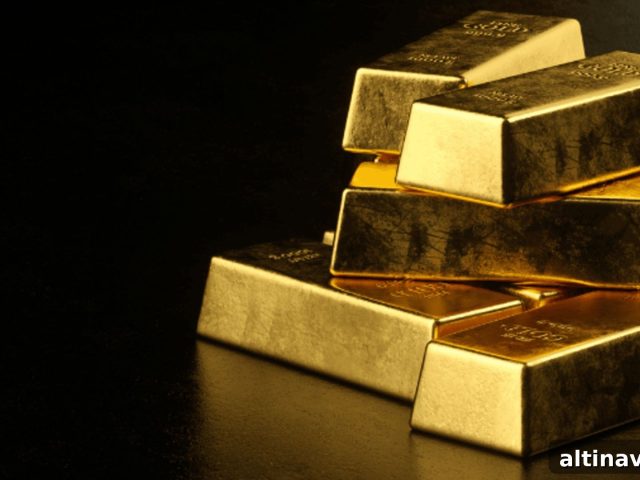
Fidelity International has forecast that the price of gold could climb to $4,000 an ounce by the end of next year. This projection is grounded in a combination of macroeconomic and market dynamics that, according to the firm, are likely to drive demand for the metal and support higher prices over the coming months.
Key Drivers Behind the Forecast
Fidelity’s outlook rests on three principal assumptions: that the Federal Reserve will begin cutting interest rates to support the US economy, that the US dollar will weaken, and that central banks will continue to add gold to their reserves. Each of these factors tends to be bullish for gold for distinct but complementary reasons.
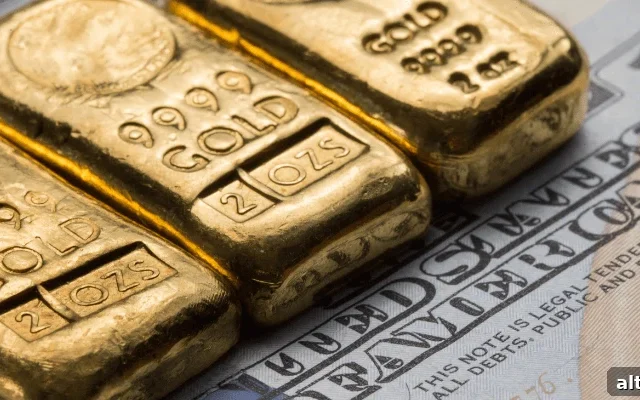
First, interest-rate cuts from the Federal Reserve typically reduce real yields on government bonds. Lower real yields decrease the opportunity cost of holding non-yielding assets such as gold, making bullion more attractive to investors. When monetary policy becomes more accommodative, investors often shift toward assets that preserve purchasing power or provide a hedge against currency depreciation.
Second, a weaker US dollar usually supports higher dollar-denominated commodity prices, including gold. Because gold is priced in dollars, a decline in the dollar’s value makes gold less expensive for holders of other currencies, increasing global demand. A softer dollar also tends to reflect looser monetary policy or weaker economic growth in the US, both of which can bolster safe-haven demand for precious metals.
Third, continued buying by central banks has been an important structural support for gold prices. Over recent years, many central banks have diversified their reserves away from a single currency focus, increasing allocations to gold. Persistent or accelerating purchases by official institutions can tighten available supply in the market and provide a steady, long-term source of demand.
Recent Performance and Market Context
Despite some periodic softness in prices, gold has rallied strongly this year. The metal has gained more than 25% year-to-date amid a backdrop of global uncertainties, including trade tensions and geopolitical conflicts that have lifted demand for safe-haven assets. Those broader risks have helped reinforce the narrative that gold serves as a hedge during periods of economic or political stress.
Fidelity’s view aligns with other bullish voices in the market. For example, Goldman Sachs has expressed a similar optimistic stance on gold’s potential upside. At the same time, the market remains diverse in its outlooks: some financial institutions, such as Citigroup, have taken more cautious positions. That range of opinions reflects the many moving parts that can influence precious metals—monetary policy, inflation expectations, currency movements, and geopolitical developments.
What This Means for Investors
For investors, Fidelity’s $4,000-per-ounce projection highlights the role gold can play as a portfolio diversifier and a hedge against inflation and currency risk. However, forecasts are not guarantees. Gold can be volatile, and its price depends on how macroeconomic conditions actually unfold. Key risks to Fidelity’s forecast include the possibility that the Federal Reserve chooses to keep rates higher for longer, that the dollar strengthens rather than weakens, or that central bank purchasing slows.
Investors considering exposure to gold should weigh these upside scenarios against the risks and may want to consider how gold fits within their broader asset allocation, risk tolerance, and investment horizon. Options include direct ownership of physical gold, exchange-traded funds that track bullion, futures contracts, or shares in mining companies—each with different liquidity, cost, and risk characteristics.
Bottom Line
Fidelity International’s prediction that gold could reach $4,000 an ounce by the end of next year is based on reasonable macroeconomic assumptions: expected Fed rate cuts, a weaker US dollar, and continued central bank buying. The metal has already posted strong year-to-date gains amid global uncertainty, and while some institutions share this bullish outlook, others remain more cautious. As with any market forecast, outcomes will depend on how monetary policy, currency moves, and geopolitical developments actually play out.
Popular Topics
Picked from the archive
-
01
 Topics
Gold Falls to 3,300 as Strong Dollar, Inflation Hits Markets
-
02
Topics
13 Countries Adopt Yuan, Challenging Dollar Dominance
-
03
Topics
US Initial Jobless Claims Jump to 240,000
-
04
Topics
What’s Driving Gold Volatility: Trade Tensions or Inflation?
-
05
Topics
Why Investors Are Treating Gold as a Strategic Asset Again
-
06
Topics
Gold Prices Fall from Records as US-China Tensions Ease
-
07
Topics
Markets Doubt Trump’s Ability to Balance Tax Cuts and Spending
-
08
Topics
Global Central Banks Slow Gold Buying as Prices Reach Record Highs