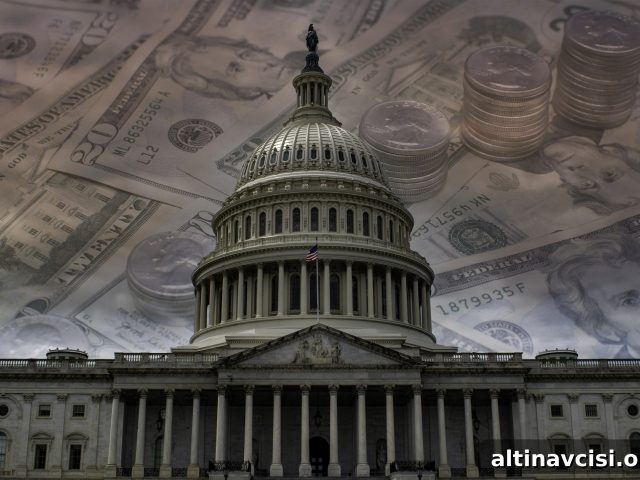
New BRICS Currency: Global Impact by 2026-27

BRICS Plans Shared Digital Currency by 2026–2027
The BRICS nations—Brazil, Russia, India, China, and South Africa—are advancing plans to introduce a shared digital currency targeted for 2026–2027. The initiative is part of a broader effort to lessen dependence on the U.S. dollar, increase financial autonomy among member states, and explore new frameworks for international trade and settlements. At their recent summit, leaders underscored measurable progress in trading in local currencies and in the development of BRICS Pay, a proposed common payment system intended to strengthen financial cooperation.
Background and Objectives
The proposed BRICS digital currency emerges from long-standing concerns about exposure to a single dominant currency in global transactions. By pursuing a regional or bloc-level digital medium of exchange, BRICS countries seek to diversify settlement options and reduce currency-conversion costs for trade among members. The stated objectives include promoting financial independence, facilitating trade in local currencies, and creating infrastructure that supports cross-border payments with reduced friction.
Technology and Design Considerations
According to official comments from the summit, the new currency will be supported by modern digital infrastructure. Plans envision integration with central bank digital currencies (CBDCs) and the use of distributed ledger technologies—such as blockchain—to provide secure, auditable transaction records. These design choices aim to combine the regulatory oversight typical of central banks with the efficiency, transparency, and programmability of digital payment systems.
Potential Economic Impacts
The introduction of a BRICS shared digital currency could have several meaningful effects on regional and global economic dynamics. For intra-BRICS trade, it may lower transaction costs and simplify settlements by reducing the need for intermediate conversions into the dollar. More broadly, a widely adopted alternative could influence pricing mechanisms for commodities and raw materials traded among member states and their partners, with potential ripple effects across global markets.
Opportunities for Emerging Markets
For emerging-market economies, access to a BRICS digital payment infrastructure could offer practical benefits. A shared currency and common payment rail might provide a more resilient, cost-effective option for settling trade, attracting investment, and integrating regional financial systems. In addition, smaller economies that engage with BRICS nations could find it easier to conduct transactions without relying exclusively on established reserve currencies.
Implementation Challenges and Risks
While the project presents clear potential advantages, it also faces significant challenges. Harmonizing regulatory frameworks across diverse legal and monetary systems will be complex. Ensuring currency stability, managing cross-border liquidity, and preventing misuse for illicit finance are technical and policy hurdles that require coordinated solutions. Interoperability with existing banking infrastructure and global payment networks will also be essential for practical adoption.
Governance and Policy Questions
Key governance issues will shape how a BRICS digital currency is governed and operated. Decisions about monetary backing, reserve composition, dispute resolution mechanisms, and oversight responsibilities among central banks will determine both credibility and usability. Transparent policy frameworks and robust safeguards will be important to build confidence among businesses, financial institutions, and international partners.
Timeline and Next Steps
Leaders have set a tentative implementation window of 2026–2027, and ongoing work will focus on technical development, pilot testing, and regulatory alignment. Continued progress on BRICS Pay and expanded use of local currencies in trade are likely to be important interim steps. Over the coming months and years, member countries will need to coordinate on standards, pilot programs, and legal frameworks to move from concept to operational reality.
Conclusion
The BRICS proposal for a shared digital currency represents a significant experiment in reshaping payment architectures among major emerging economies. If implemented, it could offer an alternative route for cross-border transactions and enhance financial resilience for participating countries. At the same time, realizing this vision will require careful technical design, clear governance arrangements, and close cooperation to address the economic and regulatory challenges inherent in creating a new, widely accepted digital monetary instrument.
Popular Topics
Picked from the archive
-
01
 Topics
Gold Falls to 3,300 as Strong Dollar, Inflation Hits Markets
-
02
Topics
13 Countries Adopt Yuan, Challenging Dollar Dominance
-
03
Topics
US Initial Jobless Claims Jump to 240,000
-
04
Topics
What’s Driving Gold Volatility: Trade Tensions or Inflation?
-
05
Topics
Why Investors Are Treating Gold as a Strategic Asset Again
-
06
Topics
Gold Prices Fall from Records as US-China Tensions Ease
-
07
Topics
Markets Doubt Trump’s Ability to Balance Tax Cuts and Spending
-
08
Topics
Global Central Banks Slow Gold Buying as Prices Reach Record Highs