Gold Prices Drive Indians to ETFs as Physical Demand Falls
India’s Gold Market: June and Early July Overview
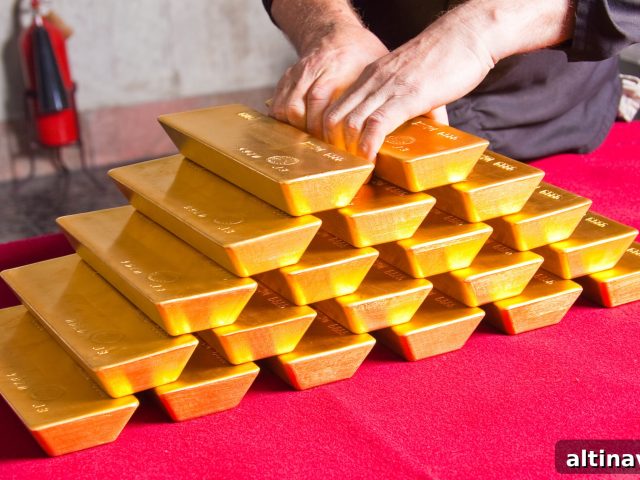
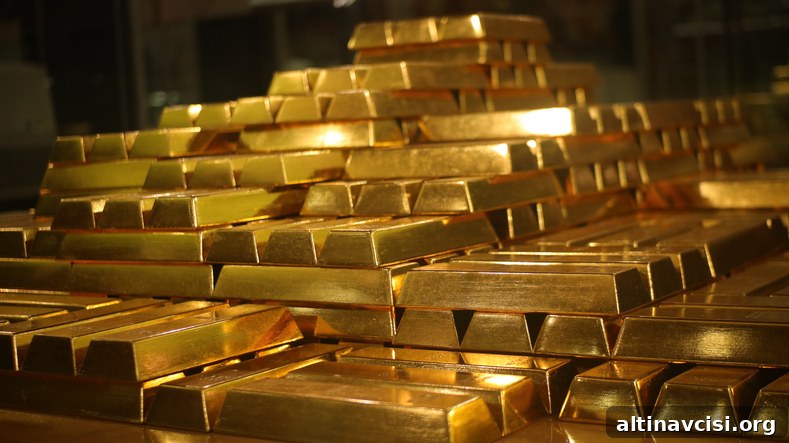
India’s gold market displayed a mix of trends through June and into early July. Domestic gold prices rose by 0.7%, reaching INR 95,676 per 10 grams, even as seasonal demand for jewelry remained subdued. At the same time, investment demand gained momentum: gold exchange-traded funds (ETFs) posted their strongest monthly inflows since January, totaling INR 20.8 billion. Meanwhile, the Reserve Bank of India (RBI) resumed modest bullion purchases after a three-month pause, adding 0.4 tonnes to bring official reserves to a record 880 tonnes. Contrasting these flows, gold imports into India fell sharply, down 26% year-on-year to $1.8 billion, a decline largely attributed to high local and global prices that discouraged consumer buying.
Price Movement and Domestic Demand
The small uptick in the domestic gold price—0.7% to INR 95,676 per 10 grams—occurred against a backdrop of weaker seasonal jewelry purchases. Seasonal demand patterns typically influence household buying in India, but consumer hesitancy this period was evident as higher prices constrained retail volumes. Jewelers, who rely on festival and wedding seasons, faced softened footfall and restrained customer spending, which is reflected in lower import volumes and muted domestic retail activity.
Investment Appetite: ETFs and Safe-Haven Flows
While retail jewelry purchases cooled, investment demand pivoted in the opposite direction. Gold ETFs experienced a notable surge, recording monthly inflows of INR 20.8 billion—the most substantial since January. This shift suggests investors increasingly turned to gold for portfolio diversification or as a hedge against market volatility. ETF inflows can be driven by factors such as global macroeconomic uncertainty, local currency considerations, or tactical asset allocation, and the recent numbers highlight a clear investor preference for gold-based instruments during this period.
RBI’s Reserve Accumulation
The Reserve Bank of India’s return to bullion buying, after a three-month pause, added another important dimension to the gold market story. The RBI purchased 0.4 tonnes of gold, bringing official reserves to a record 880 tonnes. Central bank purchases can reflect strategic reserve management, diversification away from fiat assets, or a response to shifting global conditions. Regardless of motive, such purchases help underpin demand at the institutional level and signal that official actors remain active participants in the bullion market.
Imports and the Impact of High Prices
Despite stronger investment flows and central bank accumulation, gold imports into India declined markedly. Imports fell 26% year-on-year to $1.8 billion, underscoring the dampening effect of elevated prices on consumer buying. Importers and domestic traders often adjust activity in response to price swings; when prices rise, retail demand typically softens and import volumes moderate. The drop in imports reflects this dynamic and highlights the sensitivity of India’s physical gold market to price movements.
Market Implications and Outlook
The juxtaposition of rising domestic prices, robust ETF inflows, central bank accumulation, and plunging imports illustrates a nuanced market. Elevated costs discouraged traditional jewelry purchases, while investors and institutional buyers stepped in. For market participants—retail buyers, jewelers, funds, and policymakers—these developments emphasize the dual nature of gold in India: a cultural and ornamental asset on one hand, and a financial hedge and reserve asset on the other. Going forward, prices, investor sentiment, and policy actions will continue to shape demand across segments, with affordability and macroeconomic signals likely to determine whether retail consumption recovers and how import patterns evolve.
Popular Topics
Picked from the archive
-
01
 Topics
Profit-Taking Pauses Gold Near $3,380 Amid Trade Policy Fears
-
02
Topics
Copper Surge: What the Melt-Up Means for Markets
-
03
Topics
Trump Raises Metal Tariffs to 50% as EU Reports Trade Progress
-
04
Topics
US Presses Allies to Cut China from Supply Chains by July
-
05
Topics
House Mega Bill: Tax Cuts, Rising Deficits and Key Provisions
-
06
Topics
Central Banks Shift Reserves to Gold as Geopolitical Risk Grows
-
07
Topics
Vietnam Ends State Gold Monopoly, Opens Market to Private Firms
-
08
Topics
China Stabilizes Yuan, Slows Asian Currency Rally vs Dollar