Surging ETF Inflows Boost Silver Prices and Borrowing Rates
Silver ETFs Drive the Silver Bull Run: Supply, Demand and Market Dynamics
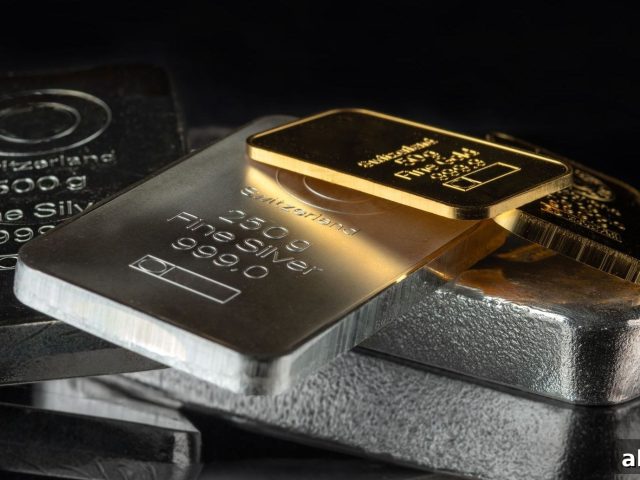
Silver exchange-traded funds (ETFs) have emerged as the focal point of the current rally in silver prices. Funds such as SLV and SIVR have drawn strong investor interest, with inflows picking up pace as physical supply tightens and industrial demand rises. These ETF flows have put additional pressure on available physical silver, contributing to notable strains in markets that handle large volumes of bullion, particularly London.
Why ETFs Are Central to the Rally
ETFs provide an efficient, accessible way for investors to gain exposure to silver without taking delivery of physical metal. When large numbers of investors purchase shares in silver-backed ETFs, fund managers must either buy physical silver to back the shares or use other methods to maintain the funds’ exposure. This dynamic creates direct demand for physical metal at a scale that can meaningfully impact inventory levels. With both institutional and retail buyers participating, the cumulative effect of these inflows has become a powerful force behind recent price advances.
Supply Constraints and Market Squeezes
Reports of tightening supply, echoed by forecasts from the Silver Institute that indicate a persistent supply deficit, help explain why ETF demand has translated quickly into upward price pressure. When allocated bullion is drawn down to satisfy ETF creation needs, available spot inventory tightens. This is most visible in centers such as London, where the physical silver market is a major hub for settlement and delivery. Reduced inventories can lead to a so-called physical squeeze, where the cost and difficulty of sourcing deliverable metal rise sharply relative to paper market pricing.
Industrial Demand and Geopolitical Factors
Beyond investment demand, silver’s role in industrial applications has been cited as another driver supporting the rally. Silver is widely used in electronics, photovoltaics, and other manufacturing sectors. Rising industrial consumption, combined with supply constraints, creates a dual pressure that benefits prices. Additionally, trade frictions—including tensions with Mexico referenced by market participants—add another layer of uncertainty to supply chains and can influence expectations about future availability, encouraging some buyers to seek physical or ETF exposure as a hedge.
Gold-to-Silver Ratio and Investor Positioning
Part of the current narrative for silver’s appeal is the relative valuation versus gold. With the gold-to-silver ratio around 86, many investors view silver as undervalued compared with gold and are reallocating funds accordingly. As flows into gold ETFs show signs of cooling, some of that capital has migrated toward silver products. For cost-conscious retail investors in particular, silver ETFs can offer a higher perceived upside potential relative to gold, given silver’s historical tendency to outperform during certain phases of precious-metals cycles.
Implications and Risks for Investors
The acceleration of ETF inflows into silver has raised both opportunities and risks. On the opportunity side, concentrated demand and limited supply can amplify price gains, which can reward investors who correctly anticipate market dynamics. On the risk side, rapid inflows can exacerbate volatility, and physical squeezes can create temporary dislocations between paper and physical prices. Investors should be aware that ETF exposure differs from holding allocated physical metal; liquidity, redemption mechanisms, and the ability to take delivery are important distinctions.
Practical Considerations
Investors considering silver exposure should weigh the benefits of ETF access—convenience, lower transaction costs, and ease of portfolio integration—against the desire for physical possession and the complexities of storage and insurance. Monitoring ETF flows, inventory reports from major market centers, and supply-demand outlooks from respected industry groups such as the Silver Institute can provide useful context. As always, diversification, position sizing, and a clear understanding of time horizon and risk tolerance remain essential.
In summary, silver ETFs are at the heart of the recent bull run, with inflows interacting with tightening physical supply, rising industrial demand, and geopolitical factors to create a supportive backdrop for prices. The market’s ongoing evolution will depend on how these forces—ETF demand, physical availability, and end-use consumption—develop in the months ahead.
Popular Topics
Picked from the archive
-
01
 Topics
Gold Surges 1.7% After Israel Strikes Iran
-
02
Topics
Gold Rises as Dollar Share of Global Reserves Drops to 58%
-
03
Topics
What’s Driving Gold Volatility: Trade Tensions or Inflation?
-
04
Topics
Markets Rally After US and China Agree on 90 Day Tariff Cut
-
05
Topics
India Gold Demand Drops Further Amid Soaring Asian Prices
-
06
Topics
Silver Prices Jump 35% YTD as Rally Accelerates
-
07
Topics
Gold Eyes Largest Weekly Gain in a Month Amid US Fiscal Fears
-
08
Topics
Australia’s Central Bank Delays Rate Cut as Inflation Eases