China Drives Gold Demand as Goldman Projects $4,000 Target
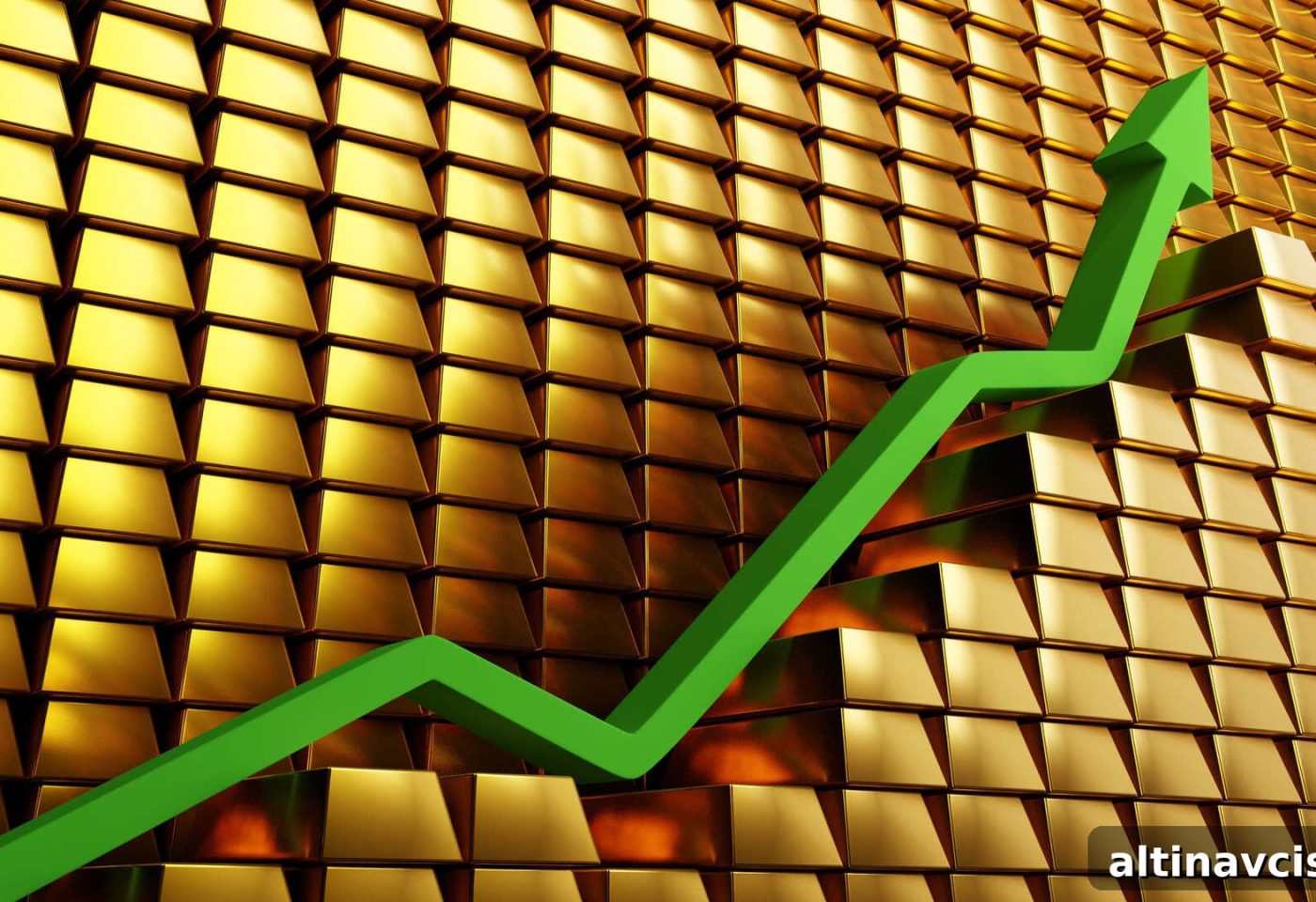
Goldman Sachs Raises Gold Price Forecast to $4,000 per Ounce by Mid-2026
Goldman Sachs has updated its outlook for the price of gold, forecasting a rise to $4,000 per ounce by mid-2026 and projecting $3,700 per ounce by the end of 2025. The investment bank attributes the stronger forecast primarily to continued buying by central banks and institutional investors, which it believes will underpin sustained demand for the metal.
In its analysis, Goldman Sachs highlights that central banks have remained active buyers in 2025, averaging roughly 77 tonnes of gold per month so far this year. That level of official-sector demand, the bank says, is only marginally below its earlier expectations and continues to be an important structural factor supporting prices. Notably, China led the activity in May with an addition of 15 tonnes, a development Goldman cites as helping to reinforce overall demand in the market.
Goldman also points out shifts in other market segments. After reaching earlier highs, holdings in exchange-traded funds (ETFs) and positions held by institutional investors have cooled somewhat. The bank interprets this softening not as a sign of long-term weakness but as potential room for renewed inflows: if ETFs and institutions start to rebuild positions, those flows could add further upward momentum to the price of gold.
These revised targets reflect a combination of persistent official-sector accumulation and the possibility of a return of investor interest. Central bank purchases are frequently cited by market participants as a stabilizing influence because they represent sustained, large-scale demand that is less sensitive to short-term price movements. When such demand continues, it can reduce available supply and support higher price levels over time.
For investors and market watchers, Goldman’s updated forecast underscores the importance of monitoring both official buying and the behavior of ETFs and institutional portfolios. The interplay between central bank accumulation and private investor flows can change the supply-demand balance quickly, which may lead to sharper price moves than would be expected from either factor in isolation.
While the bank’s projection is bullish relative to many prior expectations, it is offered as a view based on current trends in demand rather than a guaranteed outcome. Gold prices are influenced by a wide range of variables — among them geopolitical developments, monetary policy decisions, currency movements, and shifts in market sentiment — and those factors could either reinforce or counteract the pressures Goldman describes.
Investors who follow precious metals markets will likely pay close attention to incoming data on central bank purchases and ETF flows, as well as commentary from major institutional players. Any resumption of strong inflows into ETFs or renewed accumulation by institutions could lend credence to Goldman’s upside scenario, while a sudden moderation in official buying or broader risk-on sentiment might temper the expected gains.
In summary, Goldman Sachs now anticipates notably higher prices for gold over the next 12 to 18 months, driven chiefly by ongoing central bank purchases and the potential for returning investor demand. With central banks buying at an average pace of about 77 tonnes per month in 2025 and China’s recent 15-tonne addition in May cited as a supportive element, the bank believes there is scope for further upside if ETF and institutional participation picks up again.
Popular Topics
Picked from the archive
-
01
 Topics
Gold Surges 1.7% After Israel Strikes Iran
-
02
Topics
Gold Rises as Dollar Share of Global Reserves Drops to 58%
-
03
Topics
What’s Driving Gold Volatility: Trade Tensions or Inflation?
-
04
Topics
Markets Rally After US and China Agree on 90 Day Tariff Cut
-
05
Topics
India Gold Demand Drops Further Amid Soaring Asian Prices
-
06
Topics
Silver Prices Jump 35% YTD as Rally Accelerates
-
07
Topics
Gold Eyes Largest Weekly Gain in a Month Amid US Fiscal Fears
-
08
Topics
Australia’s Central Bank Delays Rate Cut as Inflation Eases