Crypto Treasury Firms Flood Wall Street in SPAC Gold Rush
Crypto Treasury Firms Turn to SPACs and Reverse Mergers to Tap Token Volatility
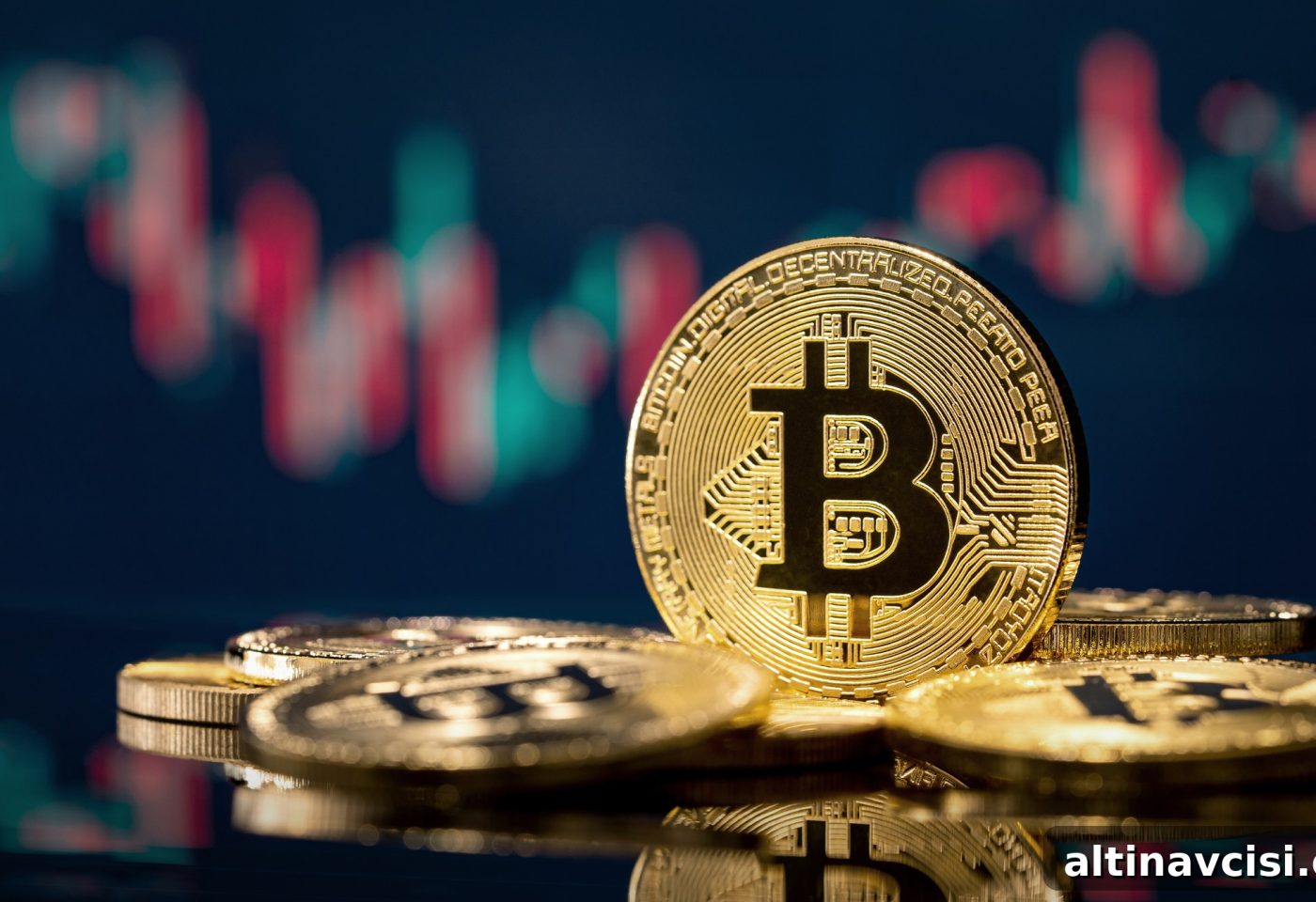
Crypto treasury firms are increasingly entering public markets through special purpose acquisition companies (SPACs) and reverse mergers, seeking to benefit from token price swings and strong investor interest. Supported by high-profile backers such as SoftBank and Cantor Fitzgerald, new entrants—including Twenty One Capital and ProCap Financial—are accelerating transactions designed to replicate the strategy used by Strategy, whose Bitcoin-heavy approach has generated notable premiums for shareholders.
Why SPACs and Reverse Mergers?
SPACs and reverse mergers offer a faster and often less burdensome path to public listing compared with traditional initial public offerings (IPOs). For crypto treasury businesses that hold sizeable token positions, these routes provide quicker access to capital markets and increased liquidity for early investors. The structure of many of these deals enables firms to list with pre-existing token reserves and operational frameworks that can be scaled once public.
Market Drivers: Token Volatility and Investor Appetite
The current increase in deal activity reflects two central forces: heightened token volatility and persistent investor enthusiasm for crypto exposure. Volatility creates opportunities for firms that actively manage token holdings to realize gains by trading around market dislocations. Meanwhile, investor demand for diversified crypto access—especially through publicly traded vehicles—remains strong, encouraging treasury-focused firms to seek public listings.
Backing and Momentum
Institutional backing by major investors such as SoftBank and Cantor Fitzgerald lends credibility and capital to emerging players. With such support, companies like Twenty One Capital and ProCap Financial can move quickly to structure and close transactions. These sponsors often bring not only funding but also strategic relationships and underwriting capabilities that help streamline the listing process.
Replicating a Proven Playbook
Several new entrants are aiming to follow a playbook that prioritizes heavy allocation to Bitcoin and other major tokens—a model that has previously produced strong market premiums for public firms. By positioning portfolios to capture upside during crypto rallies and presenting a clear treasury-management narrative, these firms hope to attract investors who seek concentrated crypto exposure without buying tokens directly.
Regulatory Signals and a Crypto Rebound
Favorable regulatory signals and a broader crypto market rebound are additional catalysts behind the uptick in transactions. More predictable or constructive regulatory guidance can reduce perceived risk for public-market investors, while price recoveries increase the value of existing treasury holdings, improving balance sheets ahead of a listing.
Deal Activity and Financial Advisors
Deal activity is particularly pronounced among firms that accumulate tokens with the explicit goal of trading at valuations above their net asset value (NAV). Investment banks and advisory firms focused on digital assets are playing key roles in structuring these deals. Mid-size banks such as KBW and Cohen are leading many of the transactions, offering tailored advice on valuation, timing, and post-listing strategy. Notably, KBW has stated it expects its digital asset deal volume to triple in 2025, underscoring the rapid growth anticipated in this segment.
Risks and Market Considerations
Despite the momentum, there are risks inherent in the strategy. Token prices remain volatile, and regulatory environments can shift, affecting both valuations and investor sentiment. Public companies with concentrated crypto treasuries may face scrutiny over valuation transparency, custody arrangements, and governance practices. Success for these firms will depend on clear communication, robust risk management, and an ability to demonstrate sustainable value beyond short-term token appreciation.
What to Watch
Key indicators to monitor include the pace of SPAC and reverse merger announcements, the level of institutional backing behind new entrants, regulatory developments that affect custody and trading, and how public investors price treasury-heavy business models relative to NAV. The coming months are likely to reveal whether this wave of transactions translates into durable public-market franchises or a short-lived cycle driven primarily by token rallies.
Popular Topics
Picked from the archive
-
01
 Topics
US Economy Sees First GDP Decline Since 2022: Q1 Falls 0.3%
-
02
Topics
Tariffs Drive Up Consumer Prices as Inflation Rises
-
03
Topics
Bullion Premiums: How to Spot Fair Prices
-
04
Topics
Silver Approaches $40 Amid Tightening Supply and Trade Tensions
-
05
Topics
Russia Taps $1B Chinese Gold Market Amid Geopolitical Shift
-
06
Topics
Gold Prices Rise on Trade Tensions and Currency Moves
-
07
Topics
Goldman Sachs Sees Gold Price Reaching $4,000 by Mid-2026
-
08
Topics
Goldman Sachs: Central Bank Demand Pushes Gold Past Silver