Brazil Threatens Retaliation After Trump Imposes 50% Tariff
Rising Tensions Between Brazil and the United States After Announcement of 50% Tariff
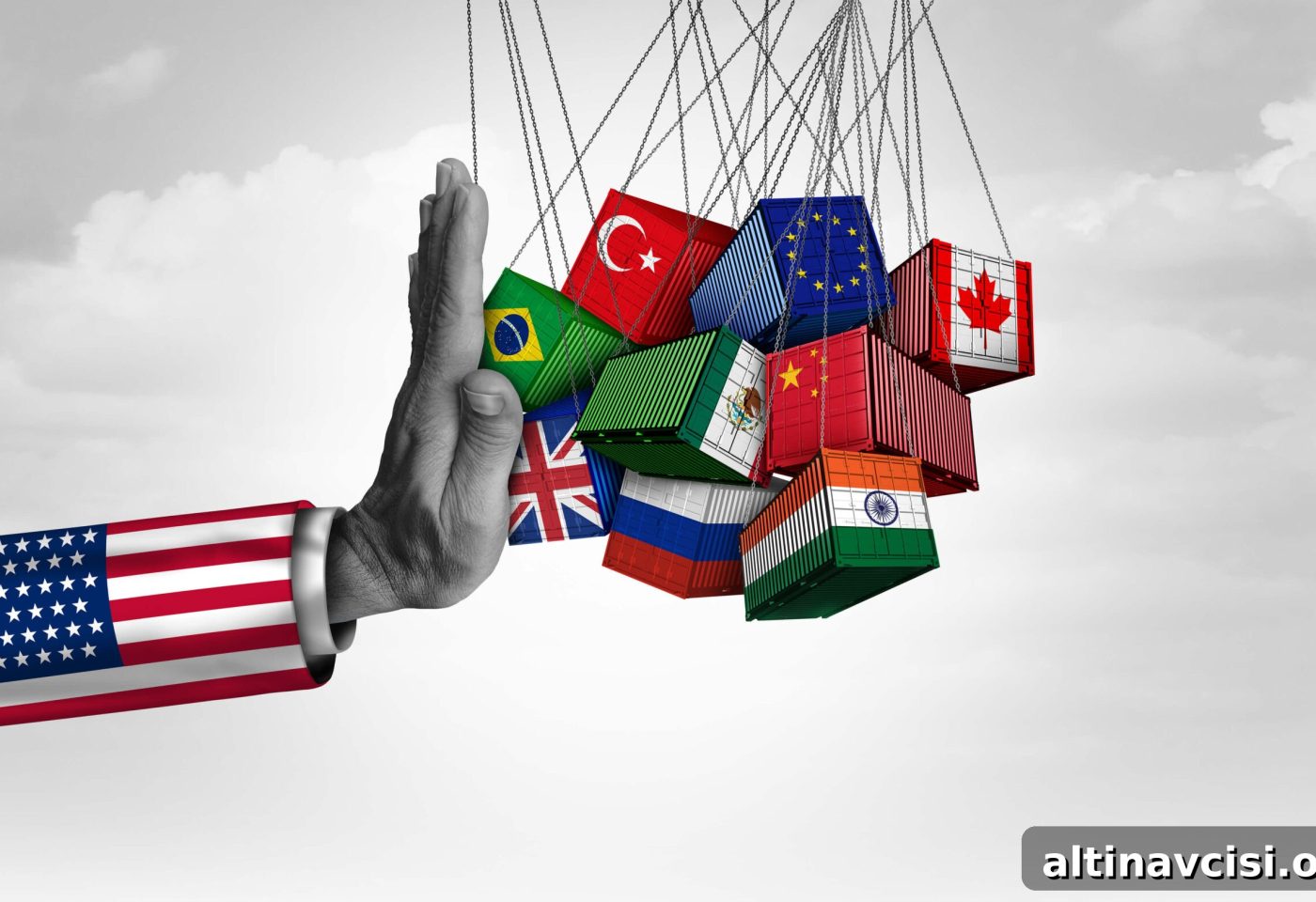
Relations between Brazil and the United States have become strained following President Donald J. Trump’s announcement of a steep 50% tariff on Brazilian imports, scheduled to take effect on August 1. The move prompted a firm response from Brazilian President Luiz Inácio Lula da Silva, who pledged to adopt equivalent countermeasures under a recently enacted law that permits proportional responses to foreign economic actions. The exchange has sparked concerns about trade disruption, market volatility and the broader diplomatic relationship between the two countries.
The tariff announcement cited a mix of economic and political grievances. In a letter sent to President Lula, President Trump accused Brazil of actions he said undermined free speech and restricted digital trade. Those accusations came alongside the tariff declaration and helped frame the measure as addressing both commercial and political issues.
Some elements of the public argument in the U.S. announcement have been called into question by existing trade figures. U.S. government trade data indicate that the United States runs a goods surplus with Brazil to the tune of $7.4 billion, a statistic that appears at odds with assertions that Brazilian trade policy is broadly harming U.S. commercial interests. That discrepancy underscores how trade rhetoric and trade statistics can diverge, complicating public understanding of the underlying economic dynamics.
The immediate market reaction to the tariff news was notable. Brazil’s currency, the real, weakened by more than 2% against the U.S. dollar following the announcement, reflecting investor concern about heightened bilateral tensions and the potential for retaliatory measures. Exchange-rate moves of this size can have practical consequences for importers, exporters and businesses with dollar-denominated liabilities, and they often signal increased uncertainty among international investors.
The Brazilian response, articulated by President Lula, emphasized retaliation under a new domestic legal framework that explicitly allows proportional responses to foreign economic measures. Lula’s commitment to matching the U.S. action dollar for dollar signals that Brasília intends to defend national economic interests and to use the legal tools available to respond in kind. The invocation of proportionality suggests that Brazil will calibrate any countermeasures to mirror the scale of the U.S. tariff, rather than escalating beyond the declared action.
Beyond the immediate announcements and market reactions, this episode has several potential implications. Businesses that trade between the two countries may face higher costs and new barriers, and supply chains that rely on cross-border inputs could experience disruptions. For consumers, higher tariffs often translate into higher prices for affected goods. For governments, the incident raises questions about how trade disputes are managed, how economic measures are tied to political disagreements, and what mechanisms will be used to resolve the dispute without further escalation.
Observers will be watching closely in the weeks leading up to August 1 to see whether either side alters its course, seeks negotiation, or implements the measures as stated. The legal basis and administrative steps required to enact a tariff of this magnitude, as well as any retaliatory measures invoked by Brazil, involve procedural actions that will be scrutinized by markets and by businesses that may be impacted.
In the short term, market sensitivity and political signaling are likely to remain elevated. Currency volatility and investor caution can influence capital flows, corporate decision-making and the timing of commercial contracts. In the medium term, the dispute could prompt discussions in both capitals about the broader framework governing digital trade, freedom of expression, and the intersection of geopolitics and commerce.
As this situation develops, stakeholders on both sides—including exporters, importers, investors and policymakers—will need to monitor official announcements and prepare for a range of outcomes. Clear communication, legal analysis and contingency planning will be crucial for businesses and governments navigating the uncertainty created by this high-profile trade confrontation.
Popular Topics
Picked from the archive
-
01
 Topics
US Economy Sees First GDP Decline Since 2022: Q1 Falls 0.3%
-
02
Topics
Tariffs Drive Up Consumer Prices as Inflation Rises
-
03
Topics
Bullion Premiums: How to Spot Fair Prices
-
04
Topics
Silver Approaches $40 Amid Tightening Supply and Trade Tensions
-
05
Topics
Russia Taps $1B Chinese Gold Market Amid Geopolitical Shift
-
06
Topics
Gold Prices Rise on Trade Tensions and Currency Moves
-
07
Topics
Goldman Sachs Sees Gold Price Reaching $4,000 by Mid-2026
-
08
Topics
Goldman Sachs: Central Bank Demand Pushes Gold Past Silver