Gold and Silver: How Precious Metals Stabilized World Economies
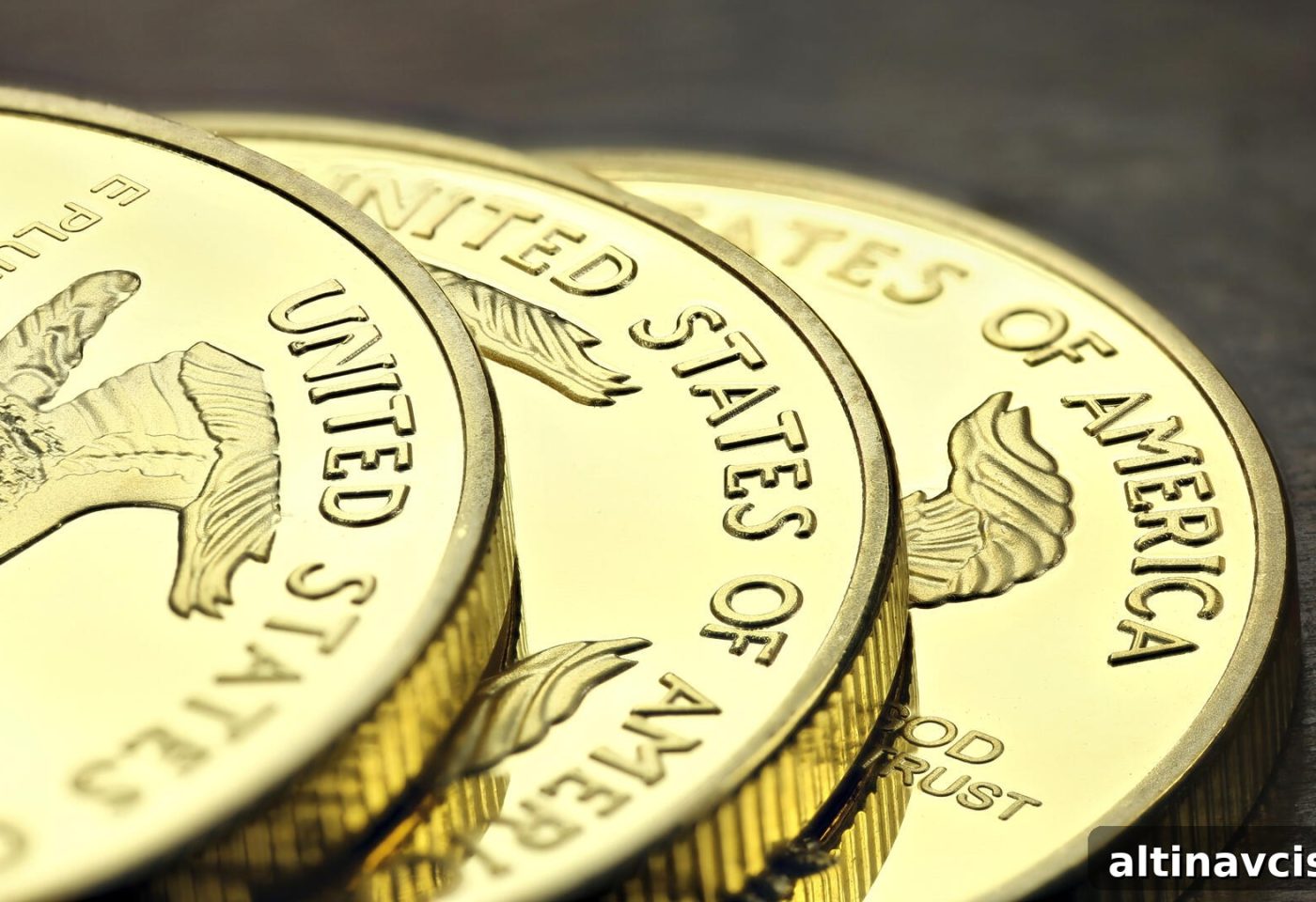
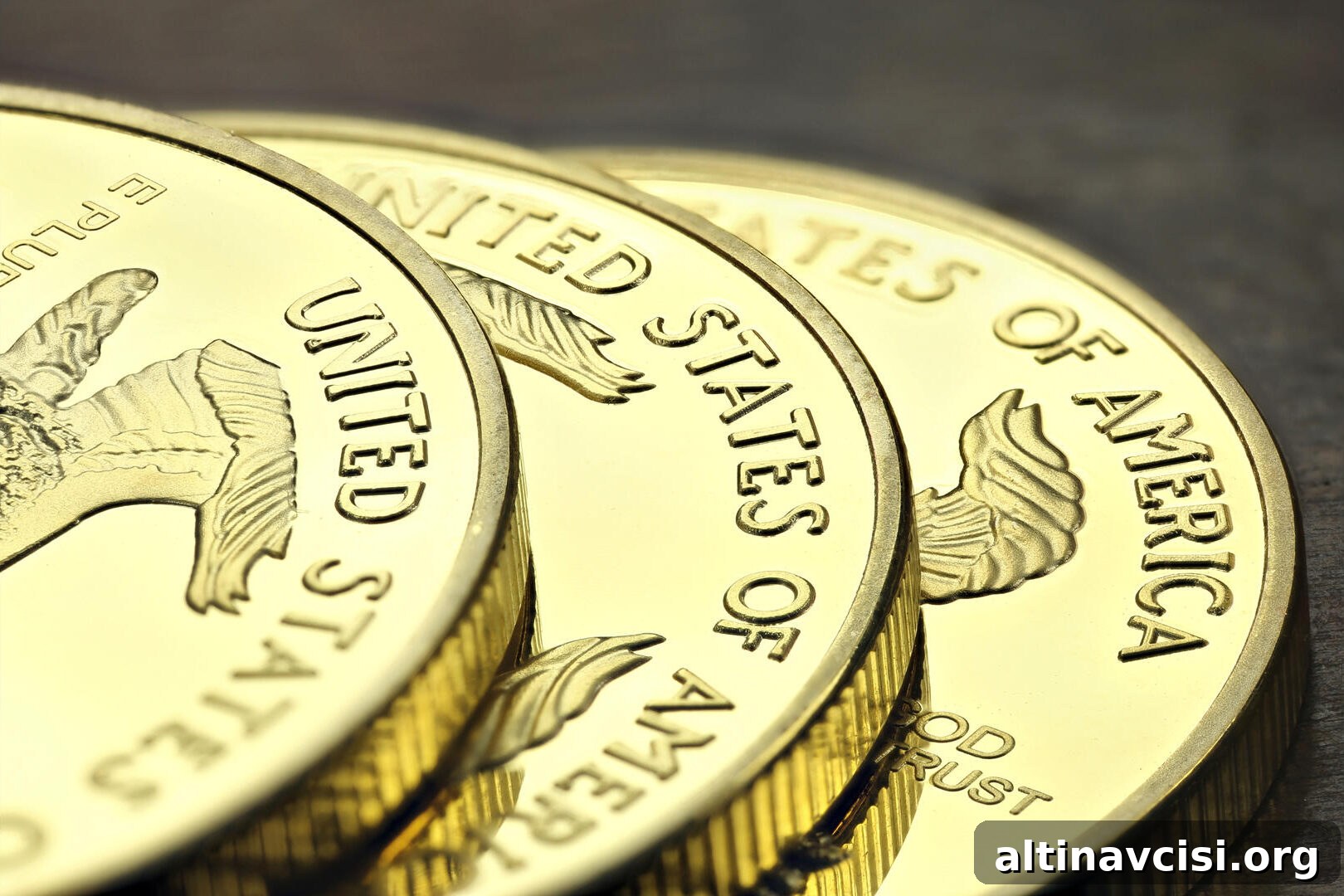
Gold and silver have long been far more than decorative metals; they have been foundational elements of commerce and monetary trust across civilizations. Their physical properties—scarcity, durability, divisibility and recognizability—made them natural choices for early currency and store-of-value functions. For modern investors and policy makers, the historical relationship between precious metals and economic stability still provides clear lessons for portfolio construction and risk management.
Tracing how gold and silver shaped markets from antiquity to the present helps explain why many investors include precious metals in diversified portfolios today. These metals act as a hedge against currency depreciation, a hedge in times of systemic stress, and a complement to financial assets exposed to market and policy risks.
Ancient Foundations of Monetary Stability
The earliest known coinage—electrum coins from 7th-century BCE Lydia—represents a major innovation in economic history. By converting naturally occurring gold-and-silver alloys into standardized pieces of known weight and purity, societies could facilitate trade, collect taxes, and record value more consistently. Over time, the practice spread, and many ancient states adopted coinage systems that relied on gold and silver to create confidence in transactions across regions.
Rome provides a clear example: gold, silver and bronze coinage standardized commerce across a vast territory, smoothing trade and helping integrate regional economies. Stable, trusted coinage reduced transaction costs and encouraged broader market participation, contributing to economic cohesion and long-term growth.
The Bimetallic System: Global Stability Through Balance
In the 19th century, several nations adopted bimetallic standards that anchored currency values to both gold and silver. By fixing relative values for the two metals, these systems aimed to harness market forces: when one metal became relatively abundant or scarce, its circulation patterns would shift in ways that tended to restore balance. This self-correcting attribute helped mitigate some monetary shocks and supported international trade for extended periods.
Bimetallism illustrates an important point: monetary frameworks that rely on tangible assets can promote credibility and predictability. When managed well and supported by international cooperation, such frameworks historically reduced volatility and fostered a reliable environment for commerce.
Investing in Physical Metals Made Easy
America’s Evolving Coinage: Lessons in Adaptation
Early U.S. monetary policy illustrates the practical challenges of maintaining a bimetallic standard. The Coinage Act of 1792 set a bimetallic dollar where both silver and gold played official roles. Market-driven shifts in the relative abundance of the two metals, however, often pushed their market ratios away from legally fixed ratios. As a result, one metal could dominate circulation while the other was hoarded, a phenomenon widely described by economists.
Adjustments were made over time to restore balance, but by the late 19th century the United States moved toward a gold-focused standard. Those shifts caused political debate and economic friction, underlining how changes to the monetary anchor can have broad and sometimes disruptive effects.
Silver’s Unique Role: Currency Meets Commodity
Silver occupies a distinct position because it functions both as a monetary metal and as an industrial commodity. Its applications in electronics, photovoltaics, and various industrial processes create additional demand drivers that can make its price more volatile than gold. That volatility can mean higher short-term swings but also potential for outsized gains in certain economic cycles.
For investors, appreciating silver’s dual role is important. When included as part of a diversified allocation to precious metals, silver can complement the stability typically associated with gold while offering exposure to industrial demand trends.

Invest Now
Invest Now
Invest Now
Invest Now
Policy Insights from History
Historical experience with precious-metal systems offers useful policy insights. When monetary frameworks are transparent and anchored to tangible assets, public confidence tends to be higher. Conversely, abrupt shifts away from trusted anchors have in the past contributed to deflationary episodes, inflationary pressures, or financial disruption. Central banks and policy makers study these patterns when designing reserve strategies and crisis-response tools.
In recent years, many official institutions and reserve managers have revisited the role of gold in reserves, citing its long-standing record as a store of value. While modern monetary systems are largely fiat-based, the durability and liquidity of gold make it a frequently chosen asset for diversification of official reserves.
Modern Investing: Echoes of the Past
Gold and silver continue to perform a stabilizing function within diversified portfolios. During periods of acute market stress, demand for tangible safe-haven assets often rises. For example, in recent market turbulence some investors allocated to bullion saw meaningful protection compared with riskier financial assets. Silver’s industrial demand can amplify returns over certain cycles, while gold’s relative stability supports capital preservation goals.
Today’s investors have easier access to physical bullion, secure storage options, and regulated products that make it straightforward to incorporate precious metals into long-term strategies. Whether held in allocated storage, physical possession, or within certain retirement accounts, gold and silver can serve distinct roles depending on an investor’s objectives and risk tolerance.
Note: This piece summarizes historical trends and investment concepts; it is not investment advice and does not endorse any specific provider.
Conclusion: Why Gold and Silver Still Matter
From the first electrum coins to contemporary bullion markets, gold and silver have consistently contributed to economic stability by providing trusted stores of value and reliable mediums for exchange. Their physical qualities, combined with deep global markets and long institutional memory, make them salient components of a prudent, diversified approach to managing wealth and risk.
When constructing or reviewing a portfolio, consider how precious metals can complement other assets: they can reduce volatility, provide liquidity during market stress, and act as a hedge against currency and inflation risks. Thoughtful allocation—aligned with objectives, time horizon and risk tolerance—can help investors preserve purchasing power and navigate economic uncertainty.
Get Gold & Silver Insights Direct to Your Inbox
Join thousands of investors who receive market analysis, expert commentary, and timely updates to help inform their decisions.
- ⏰ Timely alerts on major price movements and market events
- 📢 Market perspectives from experienced analysts
- 💡 Practical strategies and educational content for long-term planning

This article is provided for informational purposes only and is not investment advice. Always perform your own research or consult qualified financial professionals before making investment decisions.
Popular Topics
Picked from the archive
-
01
 Topics
Gold Prices Jump Near Record as Middle East Conflict Escalates
-
02
Topics
Gold Slips as US-China Trade Tensions Ease, Investors Eye Data
-
03
Topics
Trump’s Fed Attacks Raise European Alarm Over $245B US Gold
-
04
Topics
Gold Falls Below $3,300 as US-China Trade Hopes Rise
-
05
Topics
Oil Price Tops $65 as US-China Trade Talks Lift Markets
-
06
Topics
401(k) to Gold IRA Rollover: Secure Your Retirement with Gold
-
07
Topics
Fed’s Bowman and Waller Support Possible July Rate Cut
-
08
Topics
Gold Hits 70th Record High as Central Banks Dump Dollar Reserves