OPEC Plus to Raise Output Again as Oil Nears $66
Oil Prices Hold Steady as Markets Weigh OPEC+ Supply Increase and U.S. Trade Negotiations
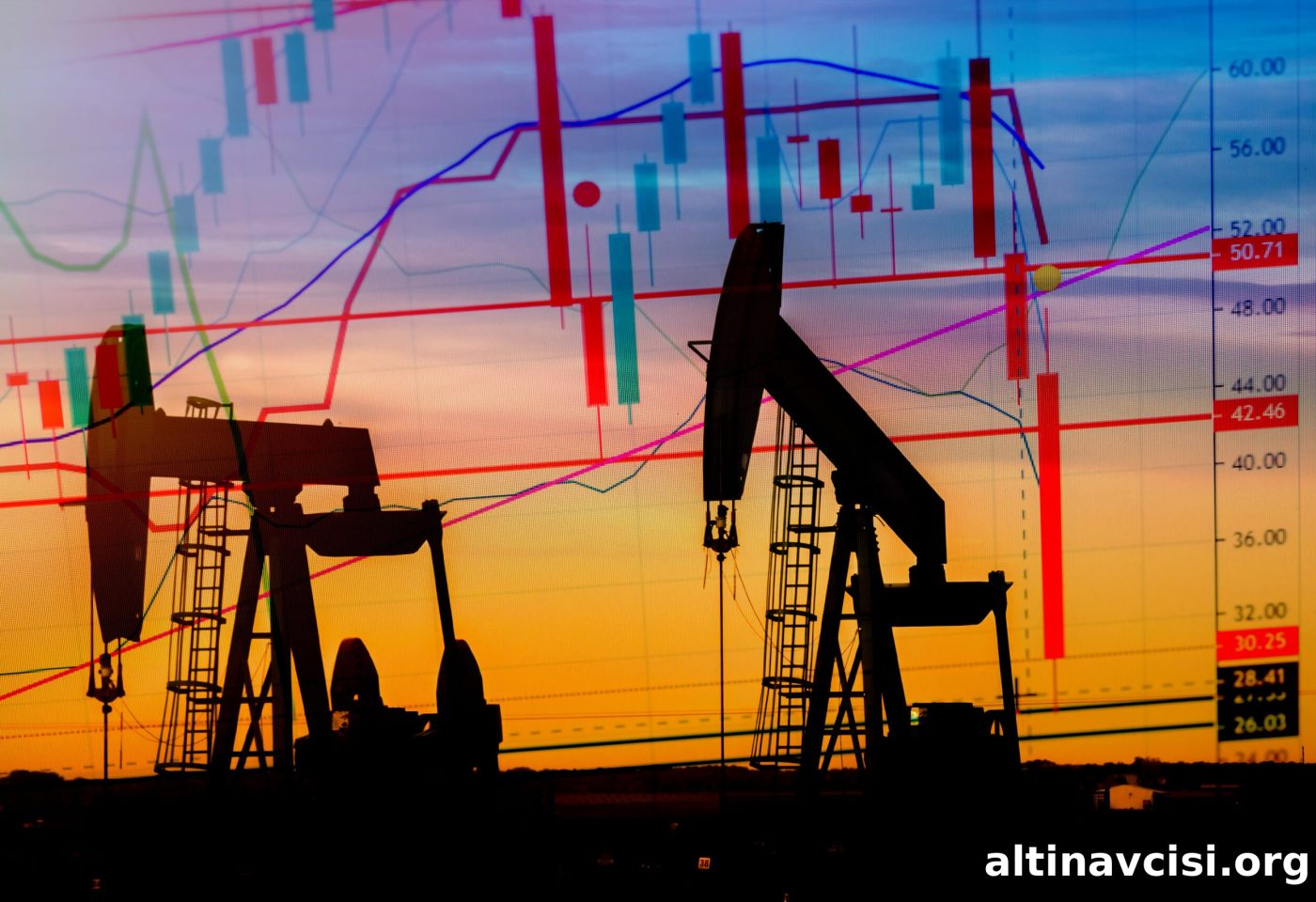
Global oil prices remained relatively stable on Tuesday as market participants balanced two major forces affecting crude markets: an expected increase in OPEC+ production scheduled for early July and high-stakes U.S. trade negotiations that could alter demand prospects. Brent crude inched up to $66.79 per barrel while U.S. West Texas Intermediate (WTI) rose slightly to $65.15, reflecting a market that is cautious but not decisively directional.
In the supply corner, OPEC+ is widely expected to approve a production increase of roughly 411,000 barrels per day at its July 6 meeting. That planned rise follows a recent pattern of incremental output expansions and signals a continued effort by the producer group to balance member-country needs with broader market conditions. For oil markets, the addition of several hundred thousand barrels per day is meaningful in aggregate, particularly when global demand growth is uncertain.
On the demand side, traders and investors are keeping a close eye on negotiations in Washington over tariffs and trade policy. With a July 9 deadline tied to potential U.S. tariff adjustments, looming decisions could materially affect global economic activity and commodity consumption. Higher tariffs and escalating trade tensions tend to weigh on industrial activity and shipping, which in turn can reduce petroleum product demand. As a result, the market is pricing in both supply-side increases and the potential for a demand slowdown tied to trade developments.
Financial analysts and investment banks are already trying to quantify the likely path for oil prices amid these competing forces. Morgan Stanley’s outlook, for example, suggests that oversupply concerns could push prices down toward the $60-per-barrel range by early 2025 if current production trends and demand expectations play out. That projection underscores how incremental policy and production choices today can influence price trajectories over the medium term.
For traders, the immediate environment is characterized by caution. Price moves are muted as participants wait for the OPEC+ meeting outcome and the result of U.S. tariff talks. In such windows, market volatility can rise quickly if either supply announcements or trade developments deviate from expectations. Inventory data, refinery throughput reports, and macroeconomic indicators will also remain important near-term drivers, with any surprises prompting sharper reactions than the modest gains seen so far.
Producers, refiners, and end consumers are all affected by this delicate balance. Producers in OPEC+ member states may be moving to secure revenue and market share by increasing output, while refiners and traders must adapt to shifting feedstock availability and price signals. For consumers and businesses, the prospect of prices near current levels or sliding toward the low $60s depends heavily on whether demand growth holds firm amid geopolitical tensions and trade policy changes.
Market watchers highlight several variables that will be closely monitored in the coming weeks: the exact size and timing of any OPEC+ production adjustment, developments in U.S. trade negotiations and tariff policy around the July 9 deadline, inventory reports from major consuming countries, and broader economic indicators that signal the health of global demand. Any of these factors could tip the balance toward stronger rallies or sharper declines.
In summary, the current steadiness in oil prices reflects a market in equilibrium between rising supply expectations and uncertain demand prospects driven by trade policy. While Brent and WTI have shown only modest movements so far, the combination of an anticipated OPEC+ production increase and sensitive U.S. tariff talks means volatility could increase as key decision dates approach. Observers will be watching both policy rooms and inventory data closely to assess whether the market’s current calm will continue or give way to more pronounced price swings.
Popular Topics
Picked from the archive
-
01
 Topics
Profit-Taking Pauses Gold Near $3,380 Amid Trade Policy Fears
-
02
Topics
Copper Surge: What the Melt-Up Means for Markets
-
03
Topics
Trump Raises Metal Tariffs to 50% as EU Reports Trade Progress
-
04
Topics
US Presses Allies to Cut China from Supply Chains by July
-
05
Topics
House Mega Bill: Tax Cuts, Rising Deficits and Key Provisions
-
06
Topics
Central Banks Shift Reserves to Gold as Geopolitical Risk Grows
-
07
Topics
Vietnam Ends State Gold Monopoly, Opens Market to Private Firms
-
08
Topics
China Stabilizes Yuan, Slows Asian Currency Rally vs Dollar