Gold Rises 1.4% on U.S. Fiscal Concerns and Trade Tensions
Gold Prices Climb as Investors Seek Safety Amid Rising Uncertainty
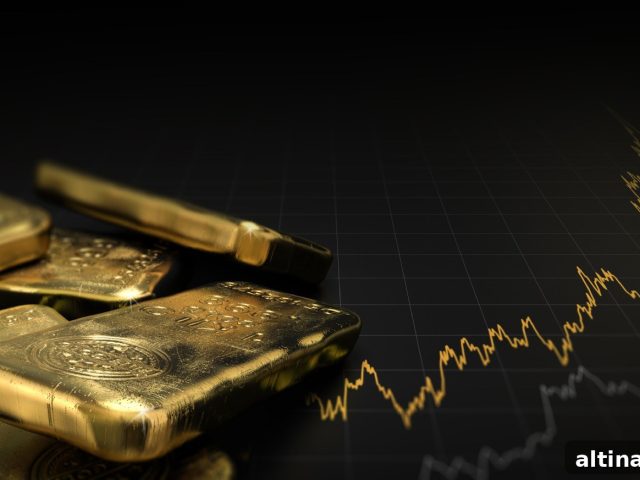
Gold prices rose sharply on Tuesday, gaining more than 1% to reach $3,349.32 per ounce as investors moved toward safe-haven assets. The metal’s advance reflected a combination of a softer U.S. dollar, heightened political and economic uncertainty, and renewed concerns about trade and fiscal policy. These factors have increased demand for gold as a store of value and a hedge against volatility.
The weaker U.S. dollar made gold relatively more affordable for holders of other currencies, supporting international buying interest. When the dollar declines, gold typically becomes cheaper for overseas investors, which can boost physical and paper demand. That dynamic was an important contributor to Tuesday’s price strength, as market participants responded to changing currency conditions and sought to protect purchasing power.
At the same time, worries about potential U.S. tariffs and the broader fiscal outlook have pushed some investors toward bullion. Tariff announcements and the threat of trade barriers often increase uncertainty about corporate earnings, global supply chains, and economic growth. In such an environment, gold is frequently viewed as a defensive asset that can help preserve capital when equity and bond markets look uncertain.
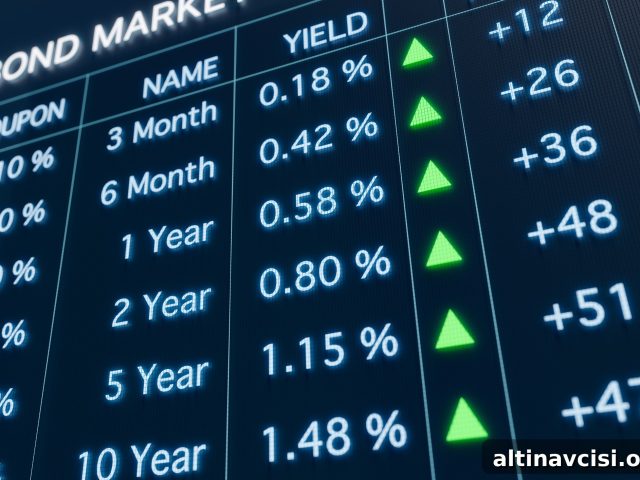
Political pressure on monetary policy also played a role. President Trump’s calls for the Federal Reserve to consider rate cuts added another layer of market uncertainty. Speculation about monetary easing can reduce real yields on government bonds, which tends to make non-yielding assets like gold more appealing. Lower expected rates can erode the opportunity cost of holding gold, encouraging allocations to precious metals among both institutional and retail investors.
Trade tensions were another factor cited by market participants. Ongoing friction with trading partners, including recent strains in relations with Japan, has contributed to a risk-off tone in financial markets. When geopolitical or trade risks rise, investors often shift toward assets perceived as safe havens—gold being one of the most common choices. The combination of trade concerns and political pressure created a backdrop that favored renewed interest in bullion.
Technical analysts noted that the metal was approaching a near-term resistance level around $3,370 per ounce. In technical analysis, resistance represents a price point where selling pressure can increase, potentially slowing or reversing a rally. Observers said that a sustained move above that level could signal further upside, while failure to clear resistance might lead to consolidation or a pullback. Analysts generally emphasized that market behavior would depend on how the economic and political storylines evolve in the coming days and weeks.
Market participants also pointed to broader macroeconomic considerations that influence gold’s appeal. Inflation expectations, real interest rates, central bank stance, and liquidity conditions all factor into investor decisions. Gold tends to benefit when inflation expectations rise or when real yields fall, since the metal does not pay interest and its relative attractiveness improves when bond returns are subdued.
Looking ahead, gold prices are likely to remain sensitive to developments in U.S. fiscal policy, statements and actions from the Federal Reserve, movements in the U.S. dollar, and any escalation or resolution of trade tensions. Short-term price swings can be driven by headlines and data releases, while medium- and long-term trends will depend on how global economic growth, inflation, and monetary policy evolve.
Investors considering exposure to gold should weigh the metal’s historical role as a hedge and diversifier against its volatility and lack of income generation. As always, diversification, risk tolerance, and investment horizon should guide any allocation to precious metals. Analysts who follow the market believe gold could continue to find support amid current uncertainties, but they also caution that prices can be volatile and influenced by sudden policy shifts or shifts in market sentiment.
Popular Topics
Picked from the archive
-
01
 Topics
Gold Drops to One-Month Low as Geopolitical Risks Ease
-
02
Topics
US Presses Allies to Cut China from Supply Chains by July
-
03
Topics
Moody’s Warning Rocks Bond Market, Investors Turn to Gold
-
04
Topics
Investors Doubt U.S. Bond Market: What It Means for Yields
-
05
Topics
Tariffs vs Treasuries: What’s Driving Gold Prices Now
-
06
Topics
Trump to Impose Tariffs on Trade Partners Without Negotiations
-
07
Topics
Tariffs Drive Gold Premium Over $100 Between New York and London
-
08
Topics
CBO: GOP Tax Plan Adds $3.3T to Federal Deficit in 10 Years