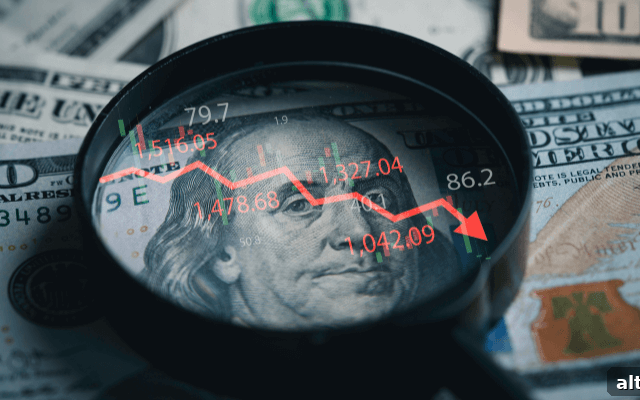
Investors Doubt U.S. Bond Market: What It Means for Yields
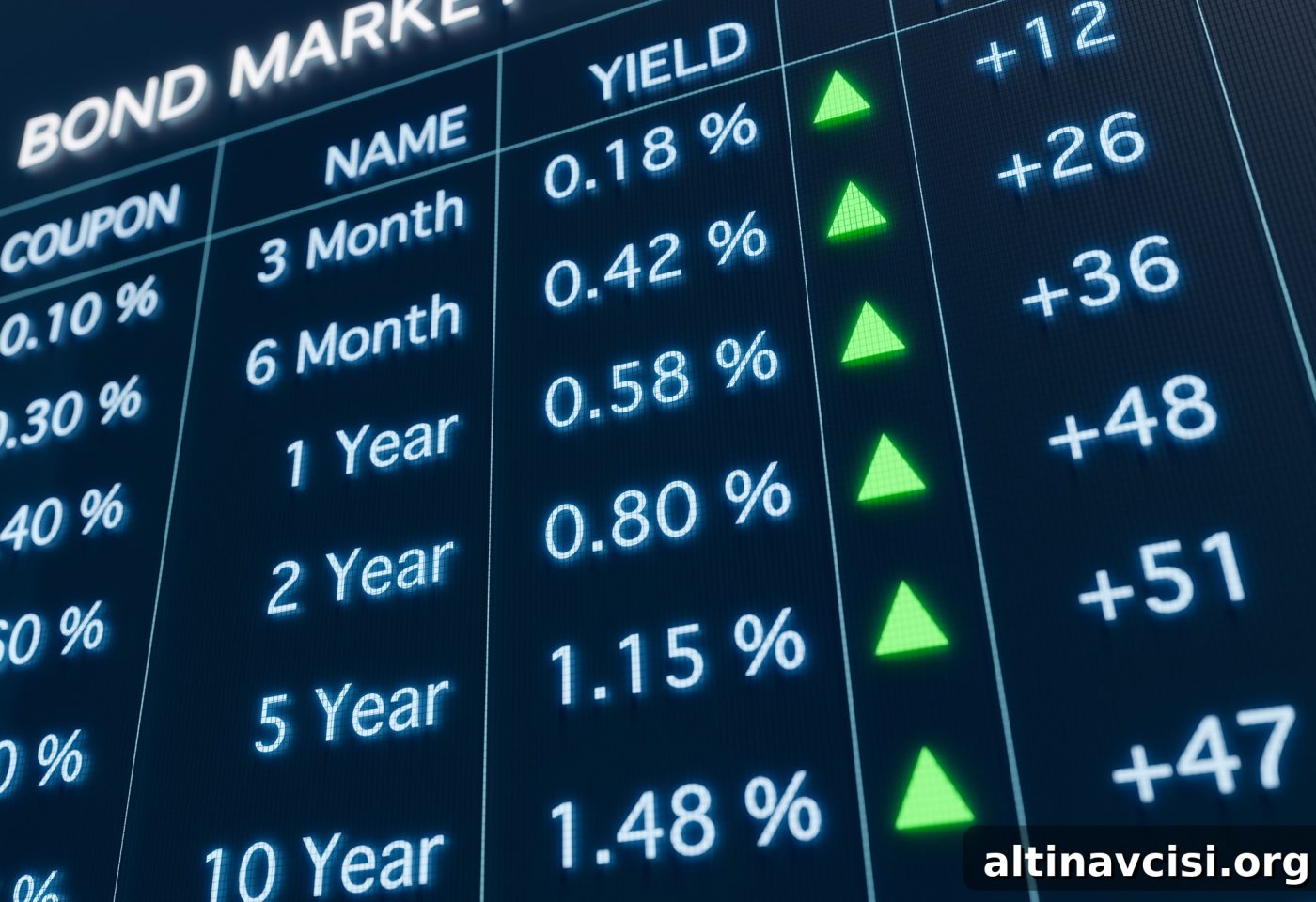
Moody’s Downgrade Spurs Growing Investor Concern Over U.S. Fiscal Outlook
Investors are showing heightened concern about the long-term fiscal outlook for the United States following Moody’s recent decision to downgrade the country’s credit rating. That action, which left Moody’s as the last of the major rating agencies to remove the U.S. from top-tier status, has amplified questions about the nation’s ability to manage mounting debt and maintain fiscal stability.
Market Reaction and Investor Sentiment
The downgrade has reverberated through financial markets and investor communities. While short-term market moves can be driven by many factors, the downgrade has intensified focus on creditworthiness and the potential for higher borrowing costs over time. Investors increasingly weigh the risk that elevated deficits and rising debt levels could translate into tighter fiscal conditions, greater interest-rate sensitivity, and heightened volatility for U.S. government securities.
Beyond immediate market pricing, the downgrade has also affected sentiment. Confidence among institutional investors, global sovereign funds, and fixed-income managers tends to hinge on a clear and credible fiscal trajectory. Without visible and sustained plans to stabilize the debt path, confidence may erode further—affecting demand for Treasury securities and prompting reassessments of the risk premium investors require to hold U.S. debt.
Why the Downgrade Matters
A lower credit rating does not automatically alter the mechanics of U.S. debt issuance, but it is a signal that the historical presumption of near-perfect creditworthiness is weakening. Credit ratings influence perceptions of default risk, and even if actual default remains unlikely, a downgrade can raise the perceived risk and therefore the cost of borrowing for the government. Over time, higher servicing costs could crowd out spending on priorities such as infrastructure, education, and social programs if fiscal pressures are not addressed.
More broadly, a downgrade underscores structural risks: demographic shifts, entitlement spending trends, and insufficient revenue growth relative to obligations. For international holders of U.S. assets, the change can prompt portfolio adjustments and a closer scrutiny of fiscal policy credibility.
Political Will and Fiscal Reform
Analysts and commentators point to a central concern: a perceived lack of political will in Washington to pursue meaningful, durable fiscal reform. Achieving sustainable debt trajectories typically requires a mix of spending restraint, targeted entitlement reform, and revenue adjustments. Yet political polarization and short-term electoral incentives often make these measures difficult to implement, especially when they involve politically sensitive programs or tax changes.
Without bipartisan commitment to a long-term plan, policymakers may instead rely on stopgap measures that delay but do not resolve underlying fiscal imbalances. That dynamic increases the risk that credit ratings and market confidence will remain under pressure, potentially raising borrowing costs and complicating fiscal management down the road.
Policy Options and the Path Forward
There are several policy approaches that could restore investor confidence, each with trade-offs. These include disciplined budgeting practices, entitlement reforms that preserve benefits while improving sustainability, tax policy adjustments that broaden the base or increase revenues, and measures to foster economic growth that raise the denominator of the debt-to-GDP ratio. Crucially, investors look for credible, enforceable plans and a track record of follow-through—signals that fiscal improvements will be durable rather than temporary.
Ultimately, the downgrade serves as a reminder that maintaining fiscal credibility requires both technical policy solutions and the political consensus to implement them. For investors, the key consideration will be whether Washington can demonstrate a credible path to stabilizing debt levels and sustaining economic resilience over the medium and long term.
Conclusion
Moody’s downgrade of the U.S. credit rating has heightened investor scrutiny of the country’s fiscal outlook. While the full economic consequences will depend on future policy choices and market reactions, the event underscores the importance of credible, long-term fiscal planning. For financial markets and global investors, the downgrade is less a verdict than a call to monitor how policymakers respond to the challenge of rising debt and the need for durable fiscal reform.
Popular Topics
Picked from the archive
-
01
 Topics
ECB Cuts Rates to 2.25% as Trump Tariff Looms Over Eurozone
-
02
Topics
ANZ Forecast: Gold Pullback Opens Buying Window Toward $3,600
-
03
Topics
Trump Presses Powell on Interest Rates in White House Meeting
-
04
Topics
Technical Indicators Point to Bullish Breakout for Gold
-
05
Topics
Fed Keeps Rates Steady Despite Trump’s Push to Oust Powell
-
06
Topics
Trump Tariffs and European Growth Push Dollar to 2002 Low
-
07
Topics
US Initial Jobless Claims Jump to 240,000
-
08
Topics
Trump Tariff Threats Could Send Gold to Record Highs