Copper Inventories Drop 80% Amid US Tariff Fears, Supply Crisis
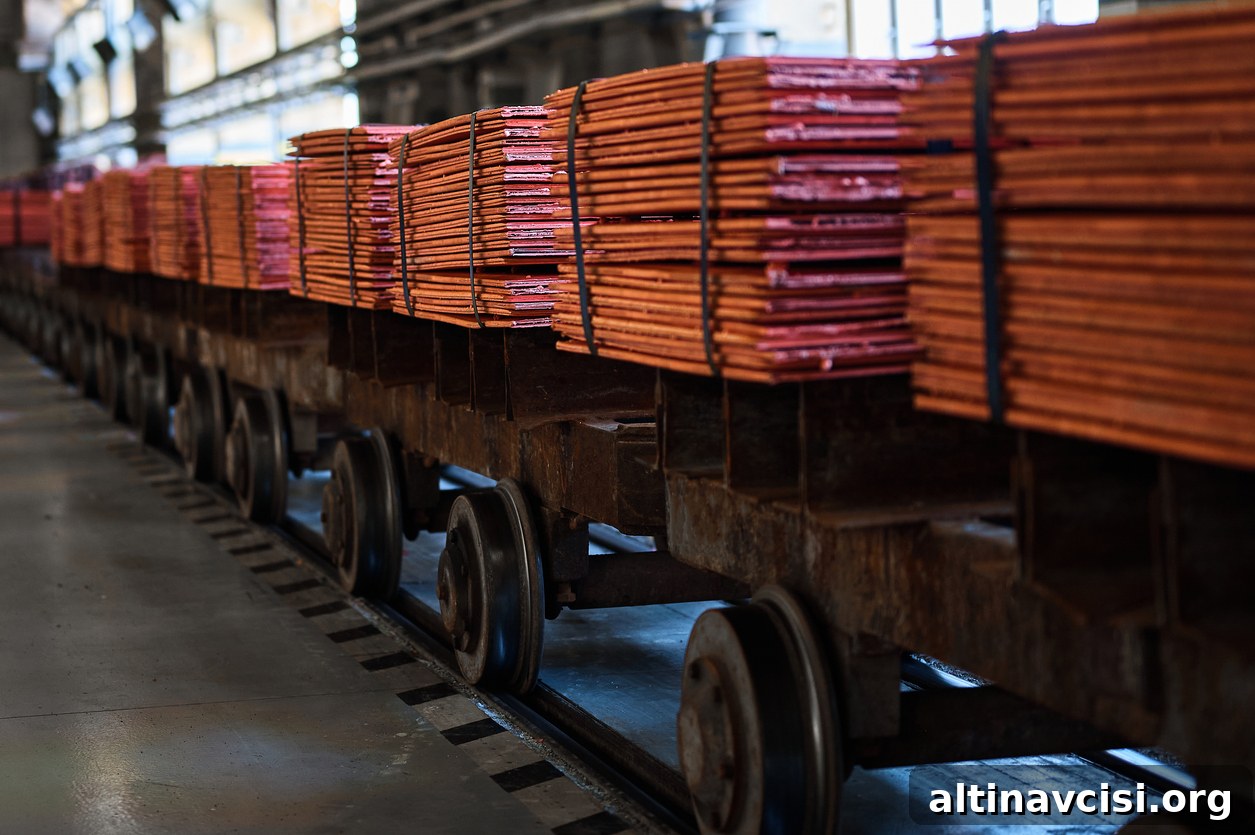
Copper Prices Surge as Traders Rush to Ship Metal Before Possible US Tariffs
Copper prices have jumped sharply as market participants hurry to move metal into the United States ahead of potential import tariffs. The anticipation of new trade measures has prompted a wave of urgent shipments, tightening physical supply and putting upward pressure on market prices.
Inventory Drawdowns and Supply Tightness
The rush to secure and deliver copper has coincided with a dramatic reduction in global inventories. According to recent market reports, stocks available on exchanges and in warehouses have been drawn down by nearly 80% this year, a scale of depletion that has created acute shortages in some locations. With less material available for immediate delivery, buyers are competing for limited supply and paying higher premiums to obtain metal quickly.
These inventory tightness dynamics extend beyond headline figures: prolonged logistical constraints, strong demand from downstream industries, and the current re-routing of shipments to avoid tariff exposure have all contributed to the squeeze. Where delivery against exchange-traded contracts is required, the result has been compressed availability and a rise in spot-market volatility.
Price Effects and Premiums
The shortage has translated into significant price spikes. Some copper contracts are now trading at premiums not seen in several years, reaching the highest levels in about four years for certain physical delivery and nearby-month contracts. Premiums reflect the additional cost buyers are willing to pay to secure immediate supply over longer-dated or paper positions, and they can move more quickly than benchmark futures when physical tightness intensifies.
Higher premiums and rising spot prices feed through to various parts of the supply chain. Manufacturers that rely on copper for wiring, electronics, industrial equipment and construction materials may confront higher input costs. Those costs can translate into broader price rises for end products or pressure on manufacturers’ margins, depending on how companies manage sourcing and pricing.
Market Outlook and Policy Uncertainty
Financial institutions tracking the market, including Goldman Sachs, have warned that the current conditions could deteriorate further before any policy clarity is provided. Officials and analysts are watching an anticipated timeline that could bring tariff decisions around September. Until formal measures are announced and implemented — or until the likelihood of policy change recedes — traders and consumers are likely to operate with heightened caution and continued urgency.
Policy uncertainty tends to amplify existing market imbalances. When market participants expect tariffs or other trade barriers, they often accelerate purchases, redirect cargoes, or alter contract terms to avoid potential costs. Those preemptive actions can themselves produce short-term supply shocks, as appears to be the case in the current episode.
Implications for Buyers and the Broader Economy
For buyers, especially large industrial consumers and supply-chain managers, the present environment calls for careful planning. Options include negotiating longer-term contracts, exploring alternative sources and delivery routes, or adjusting inventories to buffer against further price swings. Smaller buyers with less flexibility may face the most immediate strain from higher premiums and reduced availability.
Broader economic implications depend on how long the tightness persists and whether tariffs are enacted. Short-lived disruptions can still impose costs on manufacturers and consumers, while sustained supply constraints combined with policy barriers could have wider repercussions for sectors heavily reliant on copper. Policymakers and industry players will be monitoring developments closely to assess impacts and coordinate responses where possible.
What to Watch Next
Key indicators to watch include inventory reports from major exchanges and warehouse operators, movement and destination data for shipments, and official announcements regarding trade measures. Price spreads between spot and forward contracts, as well as regional premium differentials, will also provide signals about where the market is most strained. As the September timeframe approaches, any formal tariff decisions or changes in market sentiment are likely to set the tone for copper prices and availability in the months that follow.
Popular Topics
Picked from the archive
-
01
 Topics
Gold Prices Jump Near Record as Middle East Conflict Escalates
-
02
Topics
Gold Slips as US-China Trade Tensions Ease, Investors Eye Data
-
03
Topics
Trump’s Fed Attacks Raise European Alarm Over $245B US Gold
-
04
Topics
Gold Falls Below $3,300 as US-China Trade Hopes Rise
-
05
Topics
Oil Price Tops $65 as US-China Trade Talks Lift Markets
-
06
Topics
401(k) to Gold IRA Rollover: Secure Your Retirement with Gold
-
07
Topics
Fed’s Bowman and Waller Support Possible July Rate Cut
-
08
Topics
Gold Hits 70th Record High as Central Banks Dump Dollar Reserves