Gold Price Falls 1.4% After Easing Middle East Tensions

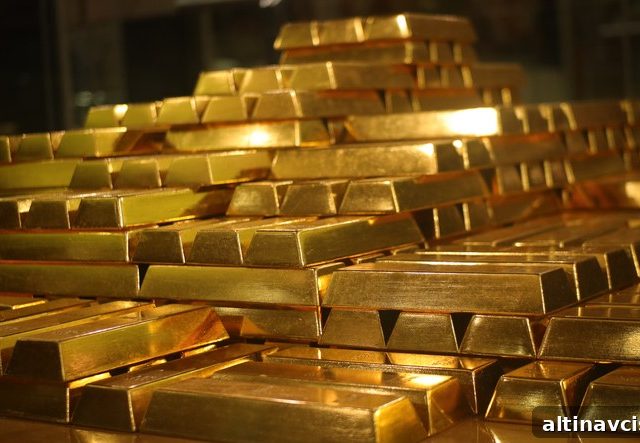
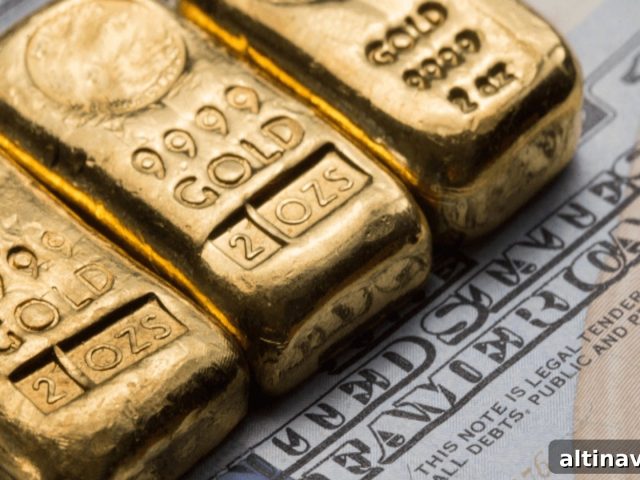
Gold saw a sharp selloff on Tuesday, dropping 1.4% to $3,322.09 per ounce — its lowest level since June 11 — after markets reacted to a U.S.-brokered announcement of a ceasefire between Israel and Iran. The apparent easing of geopolitical tensions reduced gold’s short-term appeal as a safe-haven asset, prompting investors to shift toward riskier assets. Equities rallied and oil prices fell as traders embraced greater risk appetite, pressuring bullion lower despite lingering regional uncertainty.
The ceasefire announcement, however, immediately encountered complications when Israeli Defense Minister Israel Katz ordered military strikes on Tehran, citing alleged violations of the agreement. That development injected renewed volatility into markets and served as a reminder that geopolitical drivers can change rapidly. Even so, the initial announcement was enough to cut through some of the previous premium built into gold prices, illustrating how sensitive precious metals are to shifts in geopolitical risk perceptions.
Analysts remain cautiously optimistic about gold’s medium-term outlook. ActivTrades identifies strong technical support around $3,300, suggesting that declines to current levels may present buying interest for investors looking to accumulate bullion. ANZ has outlined a more bullish scenario that sees gold rallying to around $3,600 by the end of the year, with an anticipated peak in late 2025. These forecasts reflect a view that while short-term moves will be driven by headlines and risk sentiment, the metal’s longer-term fundamentals — including inflation dynamics, central bank policy and real rates — continue to support demand.
Market participants are closely watching the U.S. Federal Reserve and, in particular, Fed Chair Jerome Powell’s congressional testimony for any signals about the timing and scope of future rate cuts. Historically, lower interest rates reduce the opportunity cost of holding non-yielding assets like gold and can make bullion more attractive relative to interest-bearing investments. As such, indications that the Fed may ease policy sooner or more aggressively than currently priced in could lift gold prices, while hawkish or neutral guidance could weigh on the market.
Beyond interest-rate expectations and geopolitics, other factors will shape gold’s path in the months ahead. Investor flows into exchange-traded funds, central bank purchases, and the relative strength of the U.S. dollar all play key roles in determining bullion demand and price direction. In times of heightened risk, gold typically benefits from both direct investment demand and a portfolio-rebalancing effect as managers seek capital preservation. Conversely, when risk appetite rises and liquidity moves into equities and commodities, gold can underperform.
Volatility triggered by mixed geopolitical signals — a ceasefire announcement followed by reported military action — highlights the market’s sensitivity to headlines and the speed with which sentiment can shift. Traders and long-term investors alike will be monitoring incoming macroeconomic data, central bank commentary and any further developments in the Middle East for clues about whether the recent dip in gold will be temporary or part of a deeper correction.
For investors considering exposure to gold, the current environment presents a blend of risk and opportunity. Technical levels such as the $3,300 support identified by ActivTrades may attract tactical buyers, while strategic investors may weigh the metal’s traditional role as an inflation hedge and portfolio diversifier against the possibility of renewed geopolitical flare-ups. As always, maintaining a disciplined risk management approach and staying informed on both policy moves and regional developments will be important for navigating gold market fluctuations in the weeks and months ahead.
Popular Topics
Picked from the archive
-
01
 Topics
Gold Has Matched Stock Returns Since 1971: Why It Matters
-
02
Topics
US Gives Global Partners Five-Week Deadline for Trade Proposals
-
03
Topics
Gold Rises as Dollar Weakens amid Renewed Trade Tensions
-
04
Topics
China Q1 Gold Consumption Falls 6% as Investment Jumps 30%
-
05
Topics
US Dollar Rises After Trump Retreats From Fed Threats
-
06
Topics
Markets Doubt Trump’s Ability to Balance Tax Cuts and Spending
-
07
Topics
Record Metal Deposit Set to Reshape Argentina’s Economy
-
08
Topics
Goldman Sachs Cuts US Recession Odds by 5 Points