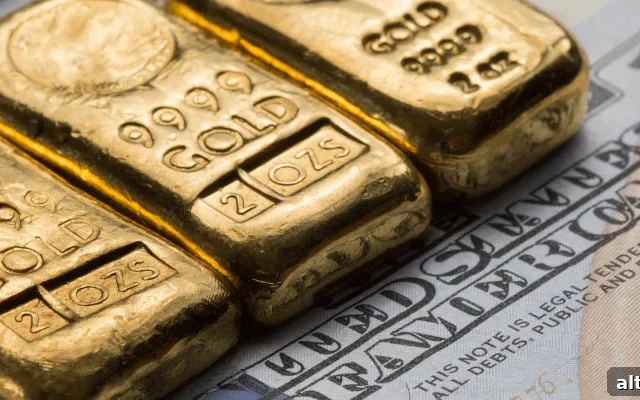
Dollar Loses Ground: Central Banks Move to Gold, Euro and Yuan
Central Banks Rapidly Diversifying Reserves as Confidence in the US Dollar Falls
A recent survey of 75 central banks reveals a significant reorientation of global reserve management, with many institutions moving away from the US dollar. The shift accelerated after the tariffs announced on April 2 by President Trump, prompting reserve managers to reevaluate their allocations across roughly $5 trillion in foreign-exchange reserves.
Key Findings from the Survey
The survey highlights several notable trends. Gold emerged as the primary beneficiary: 40% of the central banks surveyed indicated plans to increase their gold holdings over the next decade, building on already record-setting purchases in recent years. Meanwhile, the US dollar slipped in popularity among reserve managers, dropping from the top position to seventh place in stated investment preferences. A large share of respondents—70%—identified US political developments as a deterrent in holding dollar-denominated assets.
At the same time, the euro is showing signs of recovery. Survey results suggest that the euro could account for as much as 25% of some central banks’ reserves by 2030, signaling renewed confidence in the currency among international reserve managers. China’s renminbi (yuan) is also expected to gain traction: the survey indicates an expectation that the yuan’s share of global reserves could triple to about 6% over the coming years.
What This Shift Means
These survey outcomes point to a broader trend of diversification among reserve managers. Rather than concentrating holdings in a single currency, many central banks appear to be spreading risk across a wider mix of assets—precious metals like gold, other major currencies such as the euro, and an increasing allocation to emerging-market currencies like the yuan. The move reflects concerns about political risk, trade policy, and the stability of any one jurisdiction as a dependable store of value.
Notably, the survey marks the first time since 2008 that a material portion of reserve managers are openly questioning whether the US dollar should continue to be treated as the primary global safe-haven asset. That reevaluation has important implications for global liquidity, exchange-rate dynamics, and international financial stability.
Winners and Losers in Reserve Strategy
Winners identified by the survey are gold, the euro, and the yuan. Gold’s appeal stems from its historical role as a store of value during periods of uncertainty, and the survey suggests many central banks intend to increase long-term allocations. The euro’s potential rebound reflects shifting preferences in geographic and political balance. The yuan’s anticipated growth, while still modest relative to the dollar and euro, signals ongoing internationalization of China’s currency and greater acceptance among reserve managers.
Conversely, the US dollar appears to be the primary loser in this survey. Falling from first to seventh in preference rankings and cited frequently in connection with political risk, the dollar’s diminished appeal in this sample could influence how central banks allocate capital over the next decade.
Implications for Markets and Policy Makers
For financial markets, a sustained move away from concentrated dollar holdings could alter demand patterns for dollar assets, affect yields, and influence exchange-rate volatility. For policymakers, the survey underlines the importance of predictable policy and political stability in maintaining currency confidence. Central banks that reduce dollar exposure will need alternative instruments that offer liquidity, safety, and diversification benefits.
Looking Ahead
While the survey captures current sentiment among 75 central banks, the pace and scale of actual portfolio changes will depend on future political developments, economic conditions, and market liquidity. Observers will be watching how reserve compositions evolve, whether gold purchases continue at elevated levels, and how quickly the euro and yuan gain in relative shares. The present findings suggest a notable strategic recalibration that could reshape parts of the international reserve landscape in the years ahead.
Popular Topics
Picked from the archive
-
01
 Topics
Gold Drops as Israel-Iran Tensions Escalate
-
02
Topics
Copper Market Races to Meet August 1 Tariff Deadline
-
03
Topics
Treasury Yields Slip Ahead of U.S.-China Summit in London
-
04
Topics
Fed’s Inflation Gain May Be Short-Lived as Tariffs Loom
-
05
Topics
Incrementum In Gold We Trust Report: Gold Market Outlook
-
06
Topics
RBA Warns Inflation Risks Remain Despite Current Calm
-
07
Topics
Gold Price Tops $3,350 on Tariff Fears, Ukraine Tensions
-
08
Topics
Copper Inventories Drop 80% Amid US Tariff Fears, Supply Crisis