Gold Rises as Dollar Weakens amid Renewed Trade Tensions

Gold Prices Climb as Dollar Weakens and Trade Tensions Rise
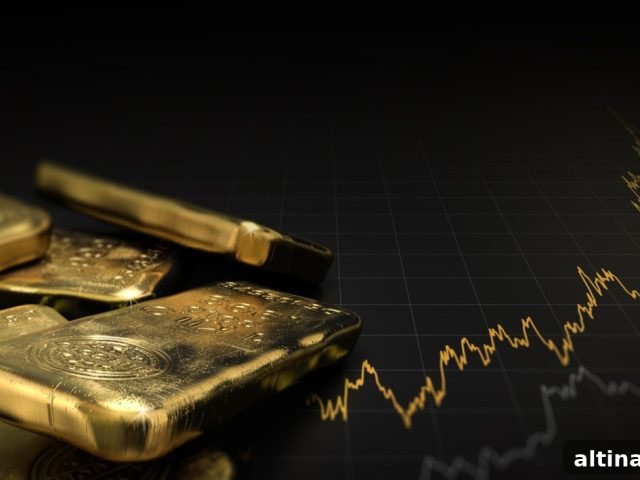
Gold advanced on Monday amid a softer U.S. dollar and renewed concerns over international trade after former President Trump announced fresh tariff threats. The move toward gold reflects growing investor caution, as market participants seek protection against rising uncertainties tied to trade policy, inflationary pressures, and geopolitical risk.
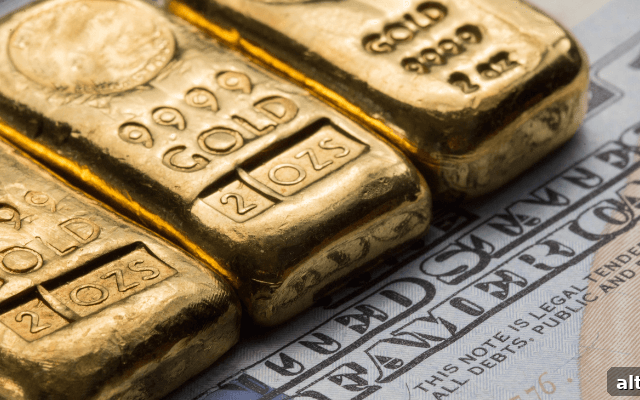
A weaker dollar typically makes bullion more attractive to holders of other currencies, and this dynamic helped underpin demand. When the dollar retreats, gold becomes relatively cheaper for overseas buyers, which can lift physical and speculative interest. In the current environment, that mechanism combined with heightened risk sentiment to push prices higher.
Beyond currency dynamics, analysts pointed to continued strong buying from central banks as a persistent supportive force for the metal. Many monetary authorities around the world have added to gold reserves in recent years as part of broader diversification strategies. Central bank purchases provide steady, institutional-level demand that can temper volatility and create a structural tailwind for prices.
Investor demand for gold is also being driven by worries about inflation and broader economic stability. With inflationary pressures still on the radar in several major economies, both private and institutional investors frequently turn to gold as an inflation hedge—a store of value that historically preserves purchasing power when currency values are under pressure.
Safe-Haven Appeal in Uncertain Markets
As trade tensions escalate, the perception of risk increases across equity and commodity markets, prompting a shift into safe-haven assets such as gold. Political developments, tariff announcements, and trade disputes can accelerate flows into bullion as investors seek to reduce portfolio exposure to downside scenarios. This demand pattern tends to lift gold particularly when traditional growth-sensitive assets show signs of strain.
Market participants are also watching central bank policies and macroeconomic indicators closely. Decisions by major central banks, statements from policymakers, and economic data releases can all influence the dollar and, by extension, gold. Investors frequently reallocate assets in response to signals about interest rates, monetary easing or tightening, and fiscal risks, which together shape the outlook for precious metals.
What Investors Are Considering
For investors assessing gold as part of a diversified portfolio, several factors are front of mind: currency trends, central bank purchases, inflation expectations, and geopolitical developments. Gold’s role as a hedge is not limited to any single scenario; it can serve as protection against currency depreciation, a buffer during market stress, or a long-term store of value when confidence in other assets wanes.
Traders and longer-term holders alike are weighing the balance between short-term price moves driven by news flow—such as tariff threats—and the more gradual forces of structural demand, including central bank accumulation and sustained inflation concerns. This interplay helps explain why gold often attracts a mix of speculative and strategic buying during times of uncertainty.
Outlook
In the near term, gold’s direction will likely remain sensitive to shifts in the dollar, headlines around trade policy, and any fresh signals from central banks. Continued escalation in trade rhetoric or additional policy surprises could reinforce gold’s safe-haven status, while a stronger dollar or a calming of trade disputes might temper some of the recent gains.
Overall, gold continues to be viewed by many market participants as a prudent hedge in an environment marked by policy uncertainty and inflationary concerns. Its combination of central bank demand, currency relationships, and safe-haven appeal supports its standing as a core component of risk-management strategies across both institutional and private investor communities.
Popular Topics
Picked from the archive
-
01
 Topics
China Fuels Gold ETF Inflows Amid Trade Tensions and Yuan Fears
-
02
Topics
Gold Price Gains 2% as Dollar Weakens on Safe-Haven Demand
-
03
Topics
Gold Rally Climbs Amid Global Uncertainty as Analysts Warn
-
04
Topics
Asian Gold Prices Split: India Discounts, China Premiums
-
05
Topics
Investors Flee US Assets Over Fed Independence Concerns
-
06
Topics
Silver Poised to Rally After Gold’s Bull Run
-
07
Topics
Why Investors Remain Bullish Despite 60 Percent Recession Odds
-
08
Topics
ANZ Forecast: Gold Pullback Opens Buying Window Toward $3,600