Gold Rally Climbs Amid Global Uncertainty as Analysts Warn

Gold Holds Center Stage as Investors Weigh Risks and Rewards
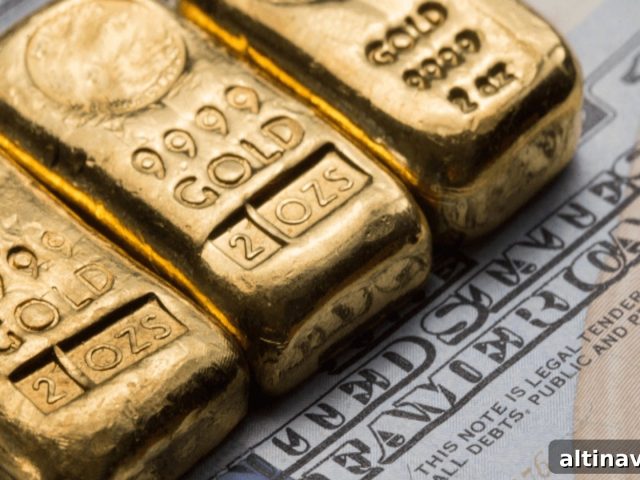
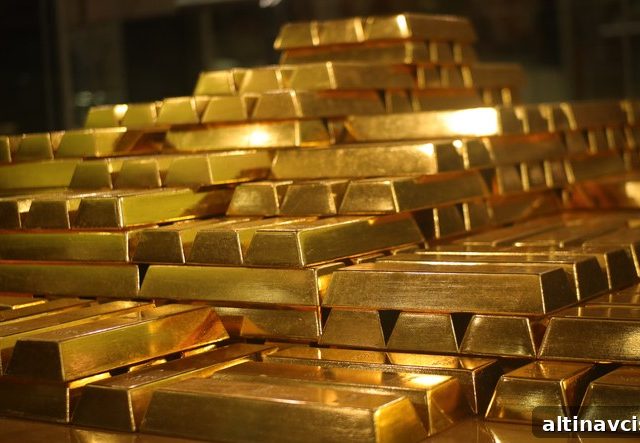
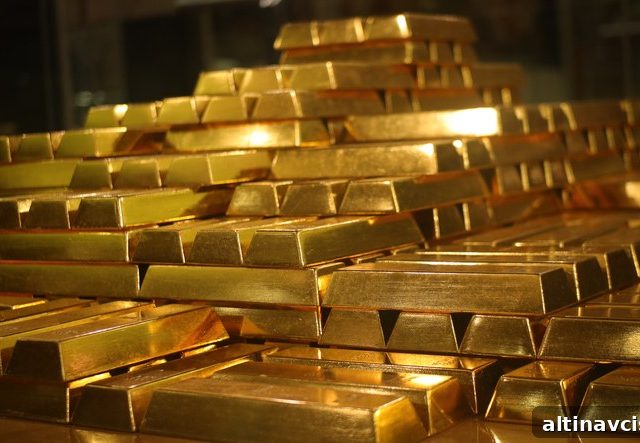
Gold has remained a dominant force in commodities markets, pushing to a recent high of $3,500 per ounce in April and trading near $3,320 today. That strong performance has drawn significant investor interest, particularly into gold-backed exchange-traded products (ETPs), as market participants seek shelter from policy uncertainty, tariff debates and geopolitical tensions. The metal’s safe-haven appeal has been reinforced by central bank actions, currency movements and shifting expectations about inflation and interest rates, prompting robust flows into gold vehicles across global exchanges.
Several prominent financial institutions have offered divergent outlooks for gold’s near-term trajectory. JP Morgan has set a bullish target, projecting that gold could rise above $4,000 per ounce within a year, reflecting scenarios in which heightened geopolitical risk, prolonged uncertainty over fiscal and trade policy, or lower real yields support additional upside. By contrast, Landesbank Baden-Württemberg (LBBW) takes a more restrained view, forecasting prices nearer $3,000 by the end of the year. LBBW’s caution is grounded in two main factors: a pickup in mine production and the fact that speculator positioning is already elevated, which could limit further upside without a substantive change in fundamentals.
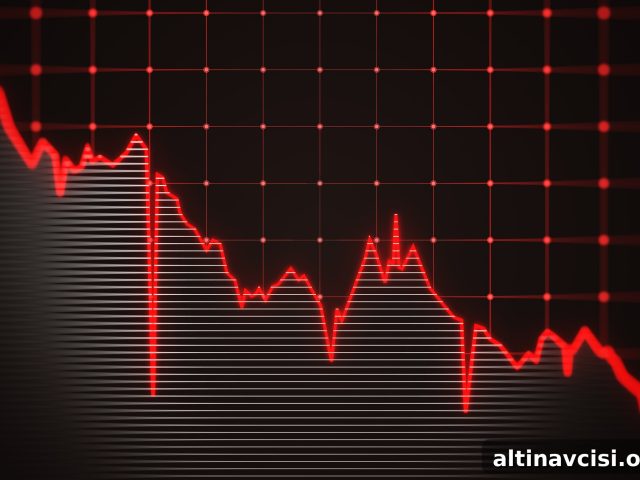
Technical analysts have also flagged possible headwinds. HSBC’s technical analyst notes that gold’s spot price has diverged substantially from its 200-week moving average, a longer-term momentum indicator. Such divergence can precede periods of consolidation or corrective moves as the market digests gains and market participants reassess risk-reward. Consolidation would not necessarily invalidate a longer-term bullish narrative, but it would likely temper near-term price momentum and produce more choppy trading conditions.
Why investors are piling into ETPs and similar vehicles is straightforward: these instruments offer an accessible, liquid way to gain exposure to gold without the logistical challenges of holding physical bullion. During times of policy uncertainty—whether about trade tariffs, executive economic decisions, or broader geopolitical strains—investors often rotate toward assets perceived as stores of value. Gold’s limited correlation with equities and bonds enhances its appeal as a portfolio diversifier, and inflows into gold-backed ETPs have reflected that dynamic.
Supply-side considerations, however, add nuance to the outlook. Increased mining output, as noted by LBBW, can act as a moderating force on price if demand growth slows or stabilizes. Mining production tends to respond gradually to price incentives, and while higher prices can spur investment in exploration and expansion, the lag between investment and new supply reaching the market means that short-term supply increases are typically modest. Still, when combined with heavy speculative positioning, even small gains in supply can influence price behavior.
Market participants should also account for macroeconomic factors that interact with gold’s valuation. Real interest rates, inflation expectations, the strength of the U.S. dollar and central bank balance sheet policies are all key drivers. Lower real yields generally enhance gold’s appeal since the opportunity cost of holding non-yielding bullion declines, while a stronger dollar can weigh on dollar-denominated commodity prices by making them costlier for holders of other currencies. These interdependencies help explain why analyst forecasts can diverge: different firms may assign varying probabilities to scenarios around growth, inflation and policy responses.
For traders and longer-term investors alike, risk management remains essential. If gold were to enter a consolidation phase as some technical signals imply, volatility could rise and price action might become range-bound for a time. Investors should consider position sizing, time horizon and the role gold occupies within a broader portfolio when adjusting exposure. Diversification across instruments—physical bullion, ETPs, mining equities and derivatives—offers distinct risk-return profiles and liquidity characteristics.
In summary, gold’s recent strength reflects a mix of investor caution, policy uncertainty and persistent demand for safe-haven assets. While projections range from further substantial gains to restrained price expectations, the market faces both bullish catalysts and moderating forces. Awareness of technical indicators, speculative positioning and evolving supply dynamics will be important for anyone following gold’s path in the coming months.
Popular Topics
Picked from the archive
-
01
 Topics
S&P Warns of U.S. Credit Downgrade as Debt Hits 100% of GDP
-
02
Topics
US Dollar Rises After Trump Retreats From Fed Threats
-
03
Topics
Bank of England Chief Economist Urges Caution on Swift Rate Cuts
-
04
Topics
Clash Between White House and Fed Stokes Economic Uncertainty
-
05
Topics
Gold Eyes Largest Weekly Gain in a Month Amid US Fiscal Fears
-
06
Topics
Apollo Economist Warns Tariffs Make Recession 90% Likely
-
07
Topics
Gold Gains as Dollar Slips Despite US China Tariff Truce
-
08
Topics
Gold Prices Retreat from Record High as US-China Tensions Ease