Apollo Economist Warns Tariffs Make Recession 90% Likely
Economists Raise Alarm Over Tariff-Driven Recession Risk; Small Businesses May Be Most Vulnerable
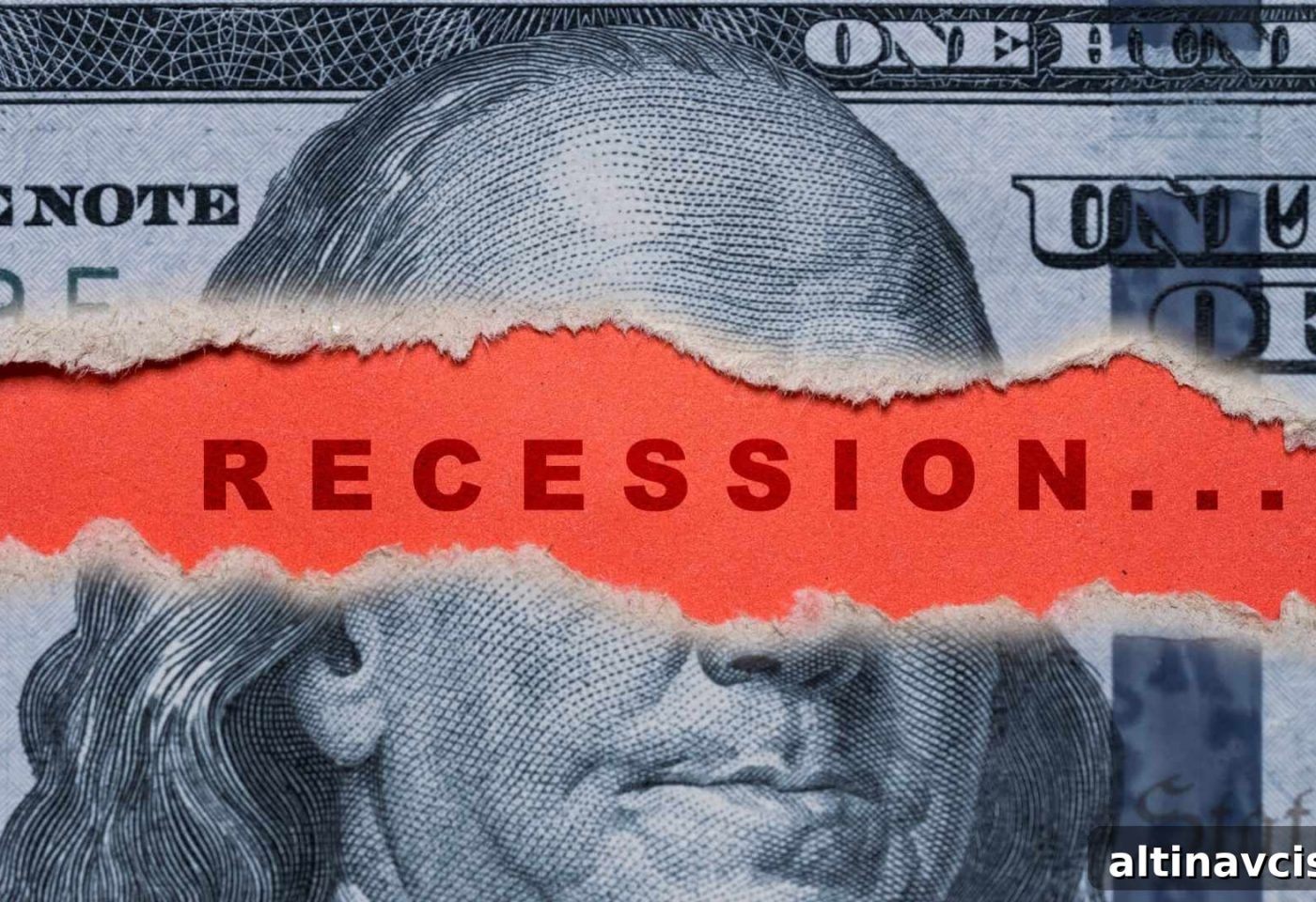
Recent commentary from leading economists and major financial institutions highlights growing concern about the U.S. economy as tariff policies reshape trade dynamics and raise costs for businesses. Apollo Global Management’s chief economist has characterized the risk as especially high, forecasting a 90% chance that the United States could enter what he terms a “Voluntary Trade Reset Recession” as a consequence of elevated tariffs and related policy shifts.
Why tariffs could trigger broader economic contraction
Tariffs act like a tax on imported goods, increasing costs for firms that rely on global supply chains and for consumers who ultimately purchase final products. When tariffs are significant or unpredictable, companies may face higher input costs, disrupted sourcing strategies, and less favorable profit margins. Those pressures can reduce investment and hiring, slow consumer spending, and feed into a broader economic slowdown—effects that can be concentrated among smaller firms with limited financial buffers.
Small businesses face disproportionate strain
Small and medium-sized enterprises (SMEs) are widely seen as particularly vulnerable to tariff-driven disruption. Many small businesses lack the working capital and diversified supply chains that larger corporations use to absorb sudden cost increases. Because they operate on tighter margins and have less access to credit, smaller firms can face cash flow shortages quickly when tariffs raise the costs of imported materials or force price adjustments that reduce demand. This vulnerability can accelerate layoffs, cutbacks in capital spending, and closures—amplifying local economic pain.
Divergent forecasts from major financial institutions
Estimates of recession probability vary across major financial institutions. Morgan Stanley and Goldman Sachs have both placed the likelihood of a recession in a moderate range, with chances generally cited between 40% and 45%. In contrast, JPMorgan’s assessment is more cautious, estimating roughly a 60% probability. These differing projections reflect distinct models, assumptions about consumer resilience, corporate earnings, monetary policy responses, and the duration or severity of trade measures.
Prominent economists voice concern
Beyond institutional forecasts, well-known economists and investors have expressed serious concern about the potential human and economic costs of prolonged tariff policies. Figures such as Ray Dalio have warned that trade disruptions can produce wide-ranging economic consequences. Former Treasury Secretary Lawrence Summers has been explicit about the labor market implications, warning that tariff-driven economic stress could lead to significant job losses. Summers has projected the possibility of as many as two million additional Americans becoming unemployed under certain scenarios tied to these policies.
Political and policy context
White House officials have signaled optimism and sought to emphasize the potential benefits of trade actions, such as protecting domestic industries or improving long-term negotiating positions. Policymakers and business leaders disagree, however, about the near-term trade-offs. The tension between short-term costs and prospective long-term gains underlies much of the debate, contributing to uncertainty in markets and among businesses that must plan for future conditions.
What to watch going forward
Key indicators to monitor include changes in tariff levels or scope, corporate profit reports that note cost pressures from imports, small business credit conditions and employment data, and consumer spending trends. Market reactions and central bank policy responses will also shape how tariff-related shocks propagate through the economy. For small businesses, access to credit, inventory management, and supplier diversification will be particularly important in determining resilience.
As forecasts differ, the overarching message from economists and financial institutions is clear: tariff policy that raises costs and disrupts trade can materially increase recession risk and exacerbate labor market weakness, with smaller firms and lower-income workers facing some of the greatest exposure to these shocks.
Popular Topics
Picked from the archive
-
01
 Topics
Reuters Poll: Gold Set to Extend Rally Through 2026
-
02
Topics
Gold’s 30% Post-Election Rally Consolidates as ETF Flows Slow
-
03
Topics
Kevin O’Leary Rejects Wall Street’s 2025 Recession Forecast
-
04
Topics
Zambia Readies Local Content Rules as Copper Output Surges 30%
-
05
Topics
Goldman Analyst: China’s Pre-Holiday Selloff Sends Gold Tumbling
-
06
Topics
Asian Gold Prices Split: India Discounts, China Premiums
-
07
Topics
India Proposes Targeted Zero-Tariff Offer to Speed US Trade Deal
-
08
Topics
China Opens New Hong Kong Gold Vault to Boost Trading