S&P Warns of U.S. Credit Downgrade as Debt Hits 100% of GDP
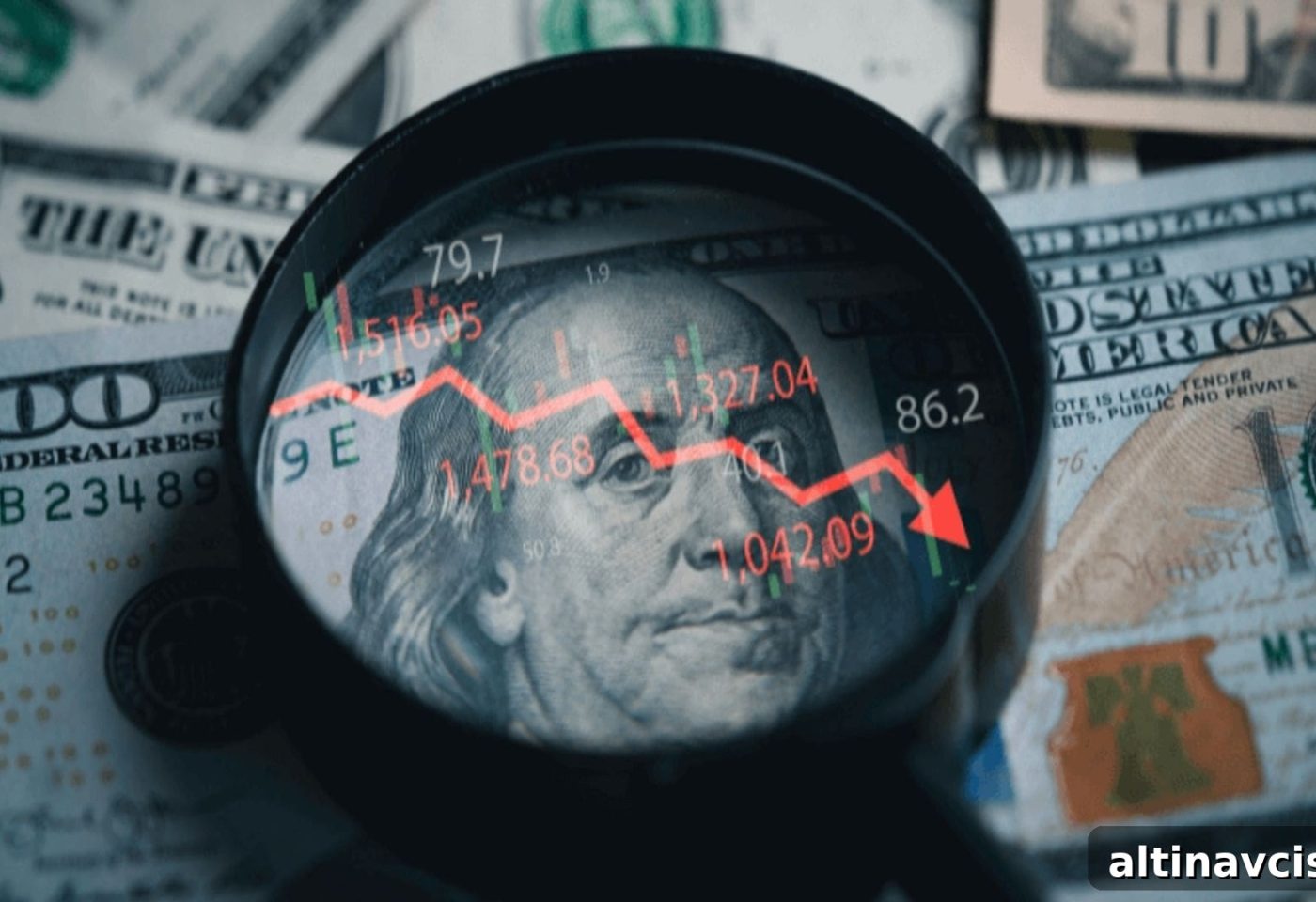
S&P Global Signals Possible Further Downgrade of U.S. Credit Rating
S&P Global Ratings has warned that the United States may face an additional downgrade from its current AA+ credit rating, pointing to mounting federal debt and persistent political dysfunction as central concerns. In a report published on April 14, S&P emphasized that upcoming budget negotiations and fiscal choices will play a decisive role in determining the country’s creditworthiness and the outlook for its sovereign rating.
The agency’s warning builds on an existing history of scrutiny over the U.S. fiscal position. S&P itself was the first major ratings agency to cut the United States’ long-term rating in 2011 amid a contentious debt ceiling standoff, when national debt stood at about $15 trillion, roughly 66% of GDP. Since then, the federal debt burden has risen substantially; current figures cited by S&P put total debt at about $36 trillion, with public debt now approaching approximately 100% of gross domestic product. That deterioration in the fiscal outlook has already prompted other rating actions: Fitch downgraded the U.S. in 2023, and Moody’s shifted its outlook from stable to negative, signaling increased investor concern about the country’s fiscal trajectory.
S&P’s report singled out several policy and procedural risks that could influence future ratings decisions. One area of particular concern is the use of a budgeting approach referred to as the “current policy baseline.” According to S&P, this accounting method—advocated by some policymakers—can understate the long-term fiscal impact of proposed tax cuts and other measures by assuming certain policies remain unchanged, rather than fully incorporating the expected cost of new legislation. If policymakers rely on this baseline without recognizing the full fiscal implications of proposed tax and spending shifts, the true effect on deficits and public debt could be masked, heightening credit risk.
In addition to budget accounting issues, S&P raised the prospect that trade and tariff policies could weigh on economic performance. The report warned that tariff measures promoted by the current administration could slow economic growth, increase unemployment, and even raise the risk of a recession. Such an economic slowdown would typically reduce federal revenues while increasing spending on social safety nets, thereby widening budget deficits and placing further pressure on the federal balance sheet. S&P flagged this combination of factors—rising debt, constrained fiscal flexibility, and policy uncertainty—as material risks to the United States’ fiscal strength.
The potential consequences of a further downgrade are significant even if not immediate. A lower sovereign credit rating can raise borrowing costs for the federal government over time as investors demand higher yields to compensate for increased perceived risk. Higher interest costs would, in turn, make it more expensive to service existing debt and could crowd out other priorities in the federal budget. A downgrade can also complicate market dynamics, influence the cost of borrowing for state and local governments, and affect the valuation of certain financial instruments that rely on sovereign ratings for regulatory or investment criteria.
What S&P’s warning underscores is the importance of credible, sustainable fiscal planning and stable governance in maintaining market confidence. The April 14 report makes clear that the next round of budget negotiations will be closely scrutinized by ratings agencies, investors, and other stakeholders. How policymakers address taxation, spending, and deficit reduction measures—along with the transparency and realism of their budget accounting—will be critical determinants of whether the U.S. can preserve its AA+ rating or face further downgrades.
For policymakers and market participants alike, the message from S&P is straightforward: rising public debt, coupled with political disagreement over how to manage the budget and the potential economic fallout from trade policy shifts, creates a fragile fiscal picture. The agency’s outlook serves as a reminder that fiscal policy choices made today can have lasting implications for creditworthiness, financial stability, and the cost of government borrowing in the years ahead.
Popular Topics
Picked from the archive
-
01
 Topics
Reuters Poll: Gold Set to Extend Rally Through 2026
-
02
Topics
Gold’s 30% Post-Election Rally Consolidates as ETF Flows Slow
-
03
Topics
Kevin O’Leary Rejects Wall Street’s 2025 Recession Forecast
-
04
Topics
Zambia Readies Local Content Rules as Copper Output Surges 30%
-
05
Topics
Goldman Analyst: China’s Pre-Holiday Selloff Sends Gold Tumbling
-
06
Topics
Asian Gold Prices Split: India Discounts, China Premiums
-
07
Topics
India Proposes Targeted Zero-Tariff Offer to Speed US Trade Deal
-
08
Topics
China Opens New Hong Kong Gold Vault to Boost Trading