Gold Holds Firm After US Credit Downgrade Amid Trade Fears

Gold Prices Steady Near Recent Highs as Moody’s Downgrade and Trade Tensions Rattle Markets
Gold prices remained firm early Monday, trading close to recent peaks as investors absorbed the fallout from Moody’s downgrade of the U.S. credit rating and escalating trade tensions. These developments have heightened concerns about fiscal stability and the prospect of slower global growth, driving many market participants back toward traditional safe-haven assets such as bullion.
Why the Downgrade Matters for Gold
A sovereign credit rating downgrade tends to increase uncertainty about a country’s fiscal trajectory and debt sustainability. Even without immediate changes to policy or interest-rate decisions, such a downgrade can alter investor sentiment, raise borrowing-cost expectations over time, and prompt portfolio reallocation. In this environment, assets perceived as stores of value—gold foremost among them—often attract increased demand. Investors who prioritize capital preservation may shift capital into gold and other havens to hedge against wider market volatility and potential credit-market strains.
Trade Tensions and the Flight to Safety
Renewed tariff threats and a souring trade outlook add another layer of risk. Trade disputes can undermine business investment, disrupt supply chains, and puncture growth forecasts across multiple economies. When economic growth prospects dim, risk appetite typically wanes, prompting flows into defensive instruments. Gold tends to benefit because it is viewed as a non-correlated asset that can protect purchasing power amid currency swings or periods of elevated market stress.
Market Dynamics Driving Demand for Gold
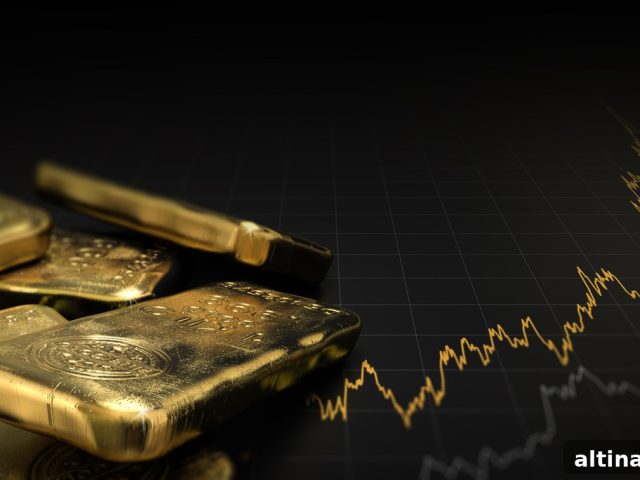
Several market mechanisms are supporting gold’s resilience. Low or negative real interest rates reduce the opportunity cost of holding non-yielding assets like gold, making it relatively more attractive. Additionally, bond-market jitters and volatility in equity markets can lead institutional and retail investors to increase allocations to gold, either through physical bullion, gold-backed exchange-traded funds (ETFs), or futures contracts.
Central-bank behavior also plays an important role. When central banks signal accommodative policy or increase purchases of gold as part of reserve diversification, those signals can strengthen the metal’s appeal. Likewise, geopolitical uncertainties—whether stemming from credit-rating shifts, trade disputes, or regional tensions—can boost demand from private and public buyers seeking stability.
Potential Scenarios and What Investors Are Watching
Analysts note several plausible scenarios that could shape gold’s near-term path. If geopolitical and fiscal risks persist or intensify, gold could remain under upward pressure as investors prioritize capital preservation. Conversely, if policymakers deliver clear measures that restore confidence—such as credible fiscal adjustments, de-escalation in trade disputes, or stabilizing central-bank communications—some of the recent safe-haven demand could ebb, and gold might consolidate or retrace gains.
Key indicators market participants are monitoring include shifts in real interest rates, currency moves (particularly in the U.S. dollar), volatility in equity and bond markets, and any fresh fiscal or trade policy announcements. These factors can swiftly change risk perceptions and influence flows into or out of gold-related instruments.
Practical Considerations for Investors
For investors considering exposure to gold, it’s important to balance potential hedge benefits against the metal’s limitations: it does not generate income and can be subject to episodes of sharp price correction when risk sentiment improves. Diversification, position sizing, and clarity about the role gold plays within an overall portfolio—whether as an inflation hedge, crisis hedge, or speculative holding—remain essential.
Conclusion
Gold’s firm stance near recent highs reflects a market grappling with heightened uncertainty following Moody’s downgrade of the U.S. credit rating and renewed trade friction. Those conditions have renewed demand for safe-haven assets, and analysts generally expect continued upward pressure on gold if geopolitical and fiscal risks remain elevated. At the same time, changes in policy responses or improvements in global trade relations could ease some of that pressure and lead to a rebalancing of investor positions.
Popular Topics
Picked from the archive
-
01
 Topics
Incrementum In Gold We Trust Report: Gold Market Outlook
-
02
Topics
How Tariff Policies Triggered the Dollar’s 2025 Collapse
-
03
Topics
S&P 500’s 20-Year Winning Streak Eases Recession Fears
-
04
Topics
Gold Rises as Dollar Weakens Amid US-China Trade Tensions
-
05
Topics
Kevin O’Leary Rejects Wall Street’s 2025 Recession Forecast
-
06
Topics
Central Banks Keep Buying Gold Despite Price Drop
-
07
Topics
Trump Signals Major Cut to China Tariffs
-
08
Topics
US Economy Sees First GDP Decline Since 2022: Q1 Falls 0.3%