Trump Presses Powell on Interest Rates in White House Meeting
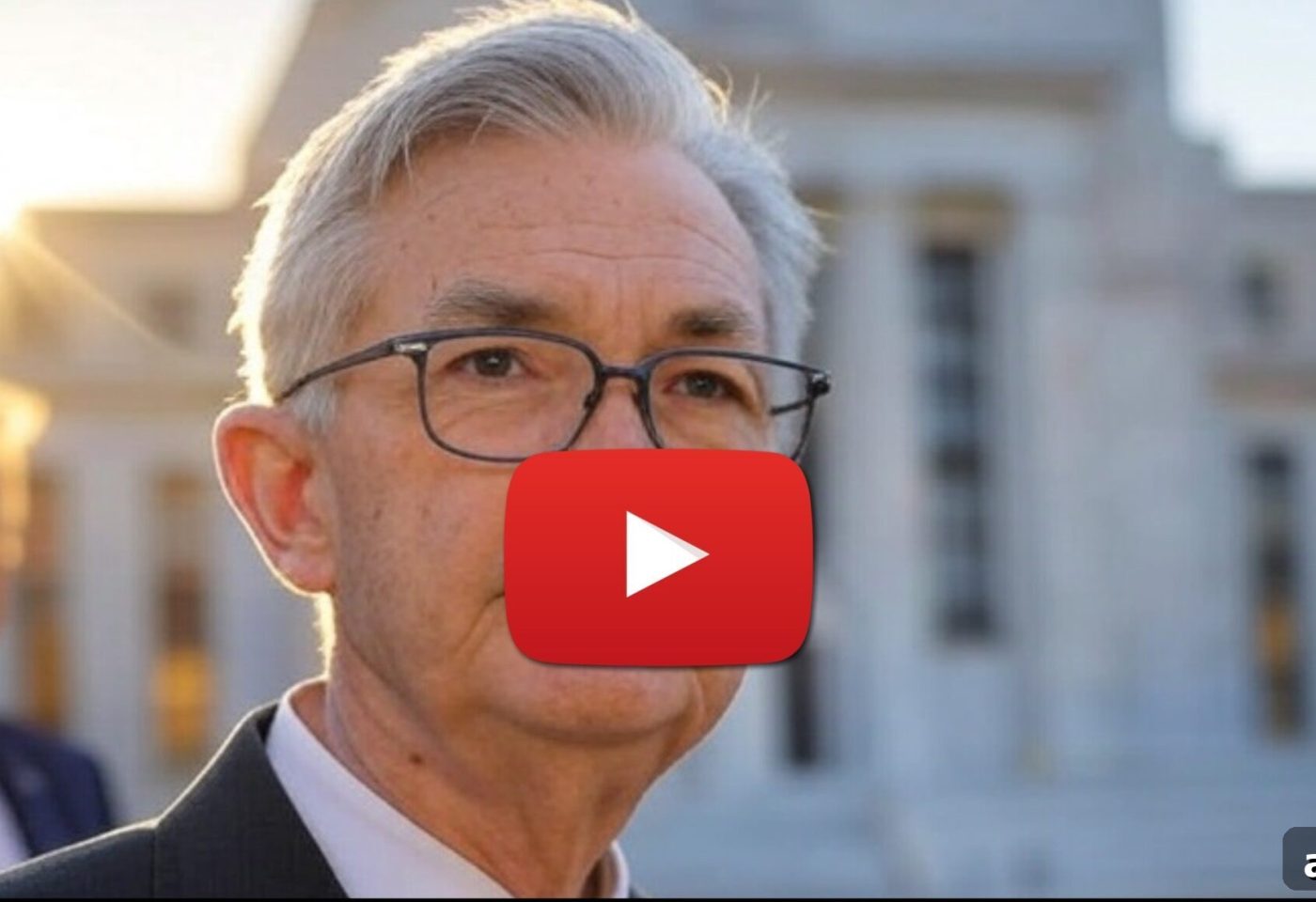
Powell Meets with President Trump at the White House; Emphasizes Data-Driven Fed Policy
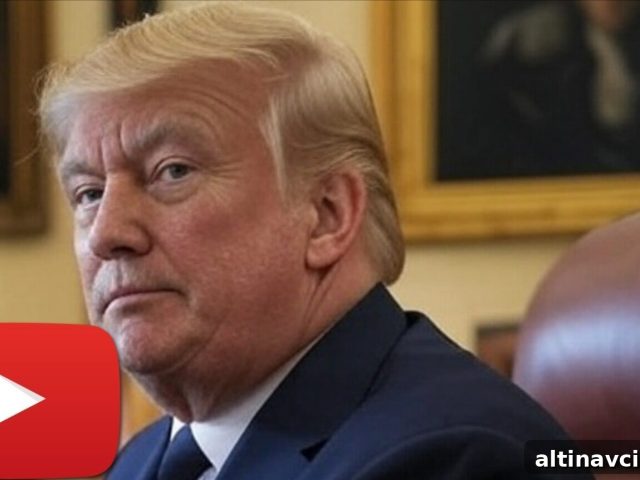
Federal Reserve Chair Jerome Powell accepted President Donald Trump’s invitation to a private meeting at the White House on Thursday, marking their first in-person conversation since the president returned to office. The discussion centered on the state of the U.S. economy and the Federal Reserve’s approach to monetary policy, but Powell was careful to avoid making any commitments about upcoming interest-rate decisions.
Focus on Economic Conditions, Not Political Pressure
During the meeting Powell reiterated the Fed’s long-standing position that decisions about interest rates are grounded in economic data and analysis rather than political considerations. While acknowledging the importance of policy choices to households and markets, Powell declined to discuss or preview specific moves the Federal Open Market Committee (FOMC) might take at future meetings. That stance underscores the Federal Reserve’s institutional commitment to independence and to assessing incoming data before altering monetary settings.
The encounter also highlighted ongoing tensions between Powell and President Trump. In recent months, the president has publicly criticized Powell’s handling of interest rates and has reportedly considered more extreme measures, including exploring whether removal from office would be an option. These tensions frame the backdrop to their conversation and emphasize the political interest in monetary policy during a period of global economic competition.
What Was Said in the Meeting
According to statements from the White House, Press Secretary Karoline Leavitt confirmed that President Trump told Powell privately he believes the Fed should lower interest rates. The president argued that lower rates would strengthen the United States’ position in economic competition with China. Powell, however, maintained that the U.S. economy remains broadly stable and that the Fed requires more information—particularly about the administration’s tariff plans—before making any rate adjustments at the Fed’s June meeting.
Powell’s emphasis on needing clarity about tariffs aligns with how trade policy can influence inflation, business investment, and overall economic growth. Tariffs and trade negotiations can affect supply chains and prices, which in turn can shape the macroeconomic data the Fed monitors when setting policy. By pointing to the need for more information, Powell signaled that rather than responding to outside pressure, the Fed will weigh the balance of economic indicators such as inflation readings, employment trends, and growth data before acting.
Implications for Markets and Policy
Markets often react to signals about the Fed’s intentions. A meeting between the president and the Fed chair can prompt speculation about whether political considerations will sway monetary policy. Powell’s refusal to discuss specific rate decisions was likely intended to reassure investors and the public that policy will follow economic developments rather than political influence.
Looking ahead, the Fed’s June meeting remains the next formal opportunity for the FOMC to reassess monetary settings. Powell’s message was clear: any change in the federal funds rate will be data-dependent. Observers will now watch upcoming economic releases and any new information about tariff policy closely, since those factors will play a major role in the Fed’s deliberations.
Bottom Line
The White House meeting was a notable face-to-face between President Trump and Fed Chair Jerome Powell, underscoring the interplay between political leadership and central-bank decision-making. Despite private pressure from the president to lower rates, Powell maintained a public posture of independence, emphasizing that rate policy will be shaped by evolving economic conditions and additional clarity on trade policy rather than by political requests.
Popular Topics
Picked from the archive
-
01
 Topics
Gold Pauses After Record Rally as US-Japan Trade Talks Progress
-
02
Topics
Markets Slip After Trump Tax Bill Sparks U.S. Debt Concerns
-
03
Topics
US Initial Jobless Claims Jump to 240,000
-
04
Topics
Dollar Drops After Trump Threatens Fed Chair, Investors Spooked
-
05
Topics
Trump Plans 25% Tariff on Imported iPhones, Targeting Apple
-
06
Topics
Federal Reserve Warns: Credit Card Distress Hits 12-Year High
-
07
Topics
Why Gold’s Record Rally Is Leaving Industrial Metals Behind
-
08
Topics
US Gives Global Partners Five-Week Deadline for Trade Proposals