Gold Falls to 3,300 as Strong Dollar, Inflation Hits Markets
Gold Retreats as Dollar Strengthens; Markets Eye Upcoming PCE Inflation Report
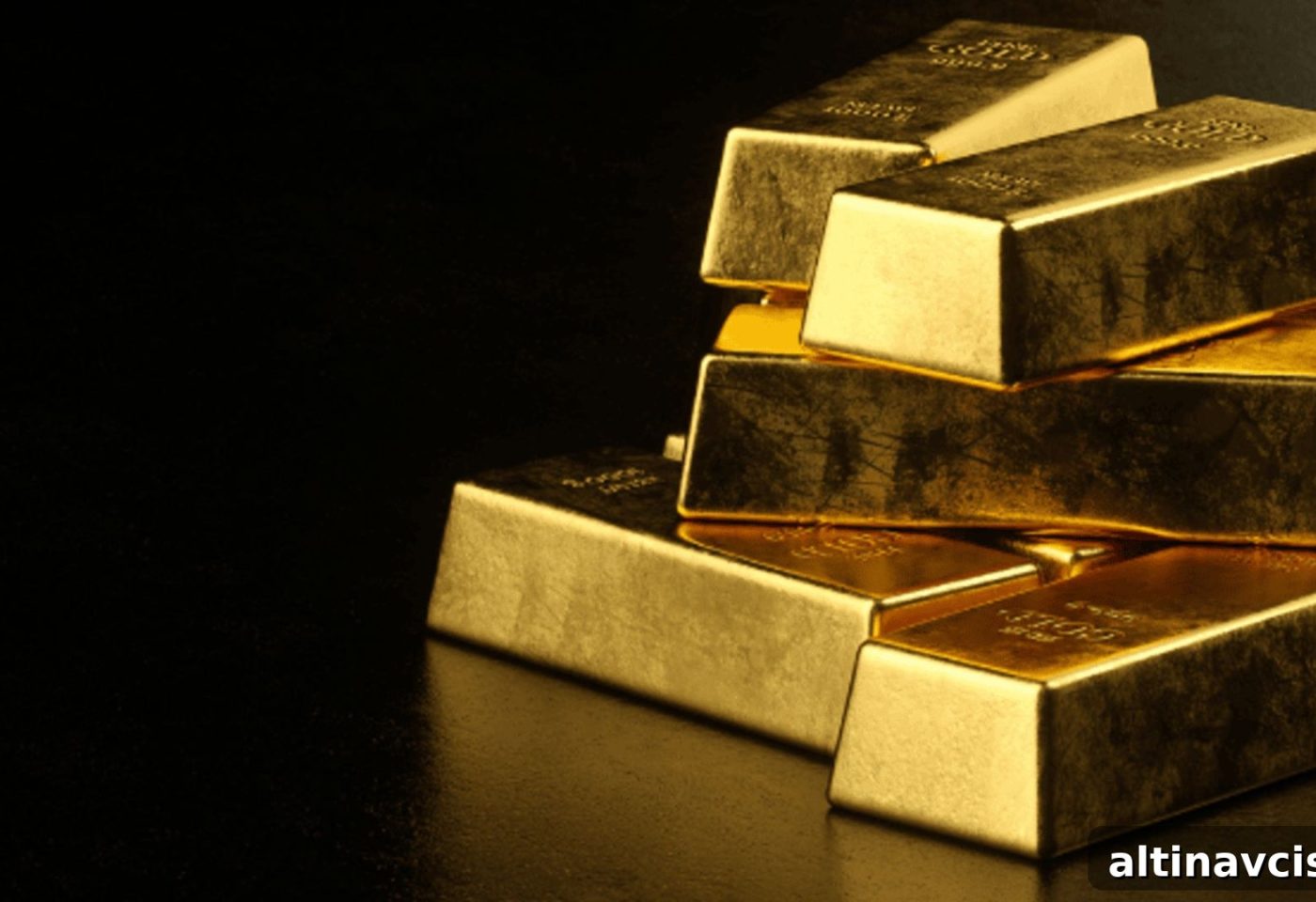
Gold fell on Friday, slipping 0.5% to close at $3,300.59 per ounce, pressured mainly by a stronger U.S. dollar, which rose about 0.2% on the day. The move capped a week in which gold lost roughly 1.7% as markets shifted into a consolidation phase after recent gains. Investors are now focused on the upcoming Personal Consumption Expenditures (PCE) report, the Federal Reserve’s preferred gauge of inflation, which is widely expected to show only a modest monthly increase of around 0.1% and an annual inflation rate near 2.2%.
Key Drivers: Dollar Strength and Inflation Data
The U.S. dollar’s advance was the primary headwind for bullion on Friday. A firmer dollar typically makes gold more expensive for holders of other currencies, reducing demand and weighing on prices. With the PCE report due shortly, traders are positioning ahead of the release, trimming speculative exposure and prompting the short-term consolidation in the gold market.
Market attention is squarely on the PCE numbers because they directly influence the Federal Reserve’s policy outlook. A reading that aligns with expectations — minimal monthly change and an annual rate around 2.2% — would likely reinforce the view that inflation is close to the Fed’s target range. That outcome could temper expectations for aggressive policy moves and leave gold traders weighing the implications for real interest rates and safe-haven demand.
Fed Commentary and Interest-Rate Expectations
San Francisco Fed President Mary Daly recently signaled the possibility of two interest rate cuts this year, suggesting the Fed is contemplating a gradual easing path if inflation continues to move toward the 2% objective. However, Daly and other Fed officials have emphasized caution, noting that policy will remain data-dependent and the central bank is focused on ensuring inflation sustainably reaches its target before making decisive adjustments.
Expectations about the timing and pace of rate cuts are a major factor for gold. Lower policy rates can reduce real yields and support bullion, while a stronger dollar or quicker-than-expected rate reductions that accompany improved growth prospects could present mixed effects. Market participants are therefore dissecting Fed commentary and incoming data for clues about the policy trajectory.
Broader Market Context: Trade Tensions and Other Precious Metals
Beyond monetary policy and inflation data, geopolitical and trade developments are also influencing precious metals. Renewed uncertainty over tariffs and reports of stalled U.S.-China trade discussions have added an extra layer of risk that can push investors toward safe-haven assets like gold when tensions rise, or reduce demand when talks appear to falter and risk sentiment sours.
Other precious metals followed gold lower on Friday. Silver fell about 0.8% and palladium dropped roughly 0.3%, reflecting a broadly negative tone across the complex. These moves underline the interconnected nature of precious-metals markets, where developments in currency markets, monetary policy expectations, and global trade conditions tend to ripple across multiple metals.
What Traders and Investors Are Watching
Key items on investors’ watchlists include the PCE inflation report and subsequent Fed commentary or market reactions. Traders will parse the monthly and annual inflation readings for signs of momentum in price pressures and how those readings could influence the timing of potential rate cuts. Any deviation from expectations — either higher-than-anticipated inflation or a softer print — could prompt swift repositioning in currency and metals markets.
Geopolitical developments, particularly around U.S.-China relations and tariff prospects, will also remain important. Shifts in trade negotiations or the imposition of new tariffs could quickly change risk sentiment and safe-haven demand for gold and other precious metals. Finally, ongoing statements from Fed officials will be scrutinized for nuances that clarify how aggressively policymakers will move on rates if inflation continues trending toward 2%.
Outlook
In the near term, gold appears to be in a consolidation phase as markets await definitive signals from the inflation data and central-bank commentary. While the prospect of rate cuts mentioned by Fed officials offers potential support to bullion over time, the path for gold will depend on incoming economic data, currency moves, and geopolitical developments. Traders should expect volatility around major releases and remain attentive to shifts in real yield expectations and U.S. dollar strength that could quickly influence prices.
Popular Topics
Picked from the archive
-
01
 Topics
Gold Pauses After Record Rally as US-Japan Trade Talks Progress
-
02
Topics
Markets Slip After Trump Tax Bill Sparks U.S. Debt Concerns
-
03
Topics
US Initial Jobless Claims Jump to 240,000
-
04
Topics
Dollar Drops After Trump Threatens Fed Chair, Investors Spooked
-
05
Topics
Trump Plans 25% Tariff on Imported iPhones, Targeting Apple
-
06
Topics
Federal Reserve Warns: Credit Card Distress Hits 12-Year High
-
07
Topics
Why Gold’s Record Rally Is Leaving Industrial Metals Behind
-
08
Topics
US Gives Global Partners Five-Week Deadline for Trade Proposals