Trump Tariff Threats Could Send Gold to Record Highs
Gold Prices Surge as Tariff Threats and Stockpiling Boost Investor Demand
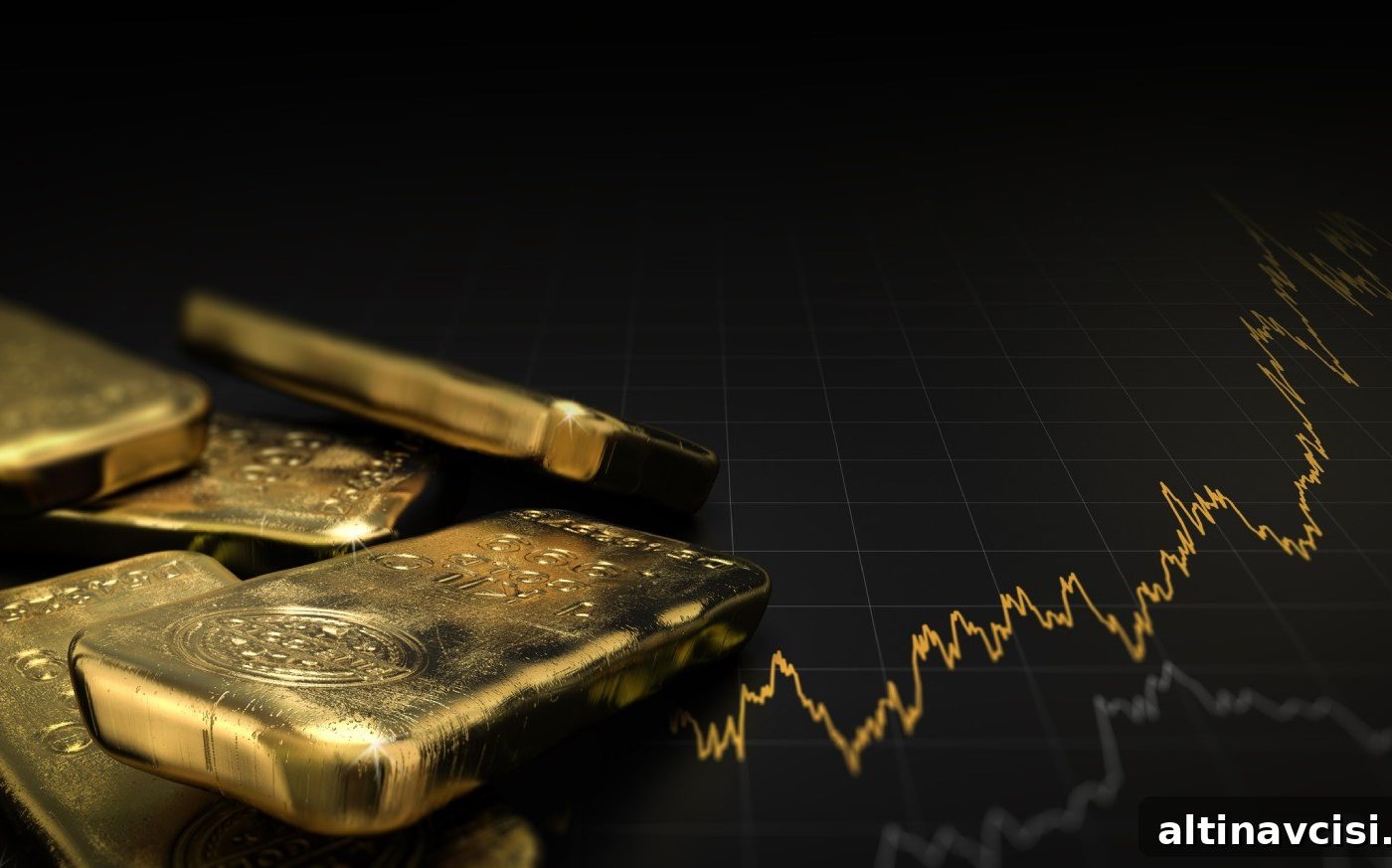
Gold prices climbed to fresh highs after President Trump’s threats to impose hefty tariffs on the European Union and on Apple triggered a wave of investor interest in the precious metal. The prospect of increased geopolitical and economic uncertainty drove many market participants toward gold as a traditional safe-haven asset, pushing futures higher on the day.
On the commodities market, gold futures settled at $3,363.60 per ounce, marking a 2.2% gain. That move came alongside broader signals that global demand for gold has strengthened meaningfully: analysts observed that global spending on the metal has reached levels not seen in roughly five decades, with spending at a 50-year peak. This sustained interest reflects a combination of safe-haven buying, portfolio diversification, and strategic purchases by institutions.
Mining companies are benefiting from the upward trend. Many gold miners are reporting record-high profit margins as higher prices lift revenues while past cost controls and operational efficiencies help support profitability. Those expanded margins are cushioning miners against potential short-term volatility and are enabling some firms to increase capital spending, pay down debt, or return cash to shareholders, depending on their individual strategies.
Central banks are also playing a significant role in the market dynamic. Several national banks continue to accumulate gold reserves, driven in part by concerns over potential U.S. sanctions and broader geopolitical tensions. When sovereign institutions add to their bullion holdings, it reduces available supply on the market and can put upward pressure on prices. This stockpiling behavior, coupled with private-sector demand, has contributed to the bid under bullion prices.
Market watchers caution that while the near-term picture favors gold, risks and uncertainties remain. Citi has issued a note suggesting that demand should remain robust into the third quarter, reflecting ongoing safe-haven flows and central bank purchases. However, Citi advises caution for price prospects later in the year. That cautious stance reflects typical cyclical patterns in precious-metals markets, where strong rallies can be followed by periods of consolidation or profit-taking, especially if macroeconomic or policy conditions evolve.
Investors and analysts cite multiple drivers behind the recent rally. Escalating trade tensions and tariff threats can increase perceptions of economic risk, encouraging investors to seek assets that preserve value. At the same time, concerns about sanctions and geopolitical friction can prompt sovereign buyers to diversify away from currencies and into tangible assets. On the supply side, mining output and the pace of bullion recycling also influence market balances, though current commentary highlights demand-side forces as the primary catalyst for the recent price jump.
For individual and institutional investors, this environment underscores the importance of risk management and strategic allocation. Gold can serve several roles in a diversified portfolio: a hedge against inflation and currency pressures, a store of value in uncertain times, and a diversifier that can reduce overall volatility. Yet, like any asset, it carries its own risks, including price swings and the potential for short-term pullbacks if market sentiment shifts or if policy developments alleviate some of the drivers of demand.
Looking ahead, market participants will be watching a range of indicators to assess whether the current momentum can be sustained. Key signals include the trajectory of trade and geopolitical tensions, central bank buying patterns, the health of global economic growth, and movements in related asset markets such as the U.S. dollar and real yields. Any significant change in those factors could influence gold prices by altering investor demand or the perceived attractiveness of holding the metal.
In summary, the recent spike in gold reflects a convergence of tariff-related uncertainty, institutional stockpiling, and robust investor demand. While analysts expect strong interest to continue into the third quarter, they urge caution for later in the year, noting that market dynamics can change as macroeconomic and policy conditions evolve. For now, gold remains in focus as a prominent beneficiary of heightened risk perceptions and strategic reserve-building activity.
Popular Topics
Picked from the archive
-
01
 Topics
Gold Pauses After Record Rally as US-Japan Trade Talks Progress
-
02
Topics
Markets Slip After Trump Tax Bill Sparks U.S. Debt Concerns
-
03
Topics
US Initial Jobless Claims Jump to 240,000
-
04
Topics
Dollar Drops After Trump Threatens Fed Chair, Investors Spooked
-
05
Topics
Trump Plans 25% Tariff on Imported iPhones, Targeting Apple
-
06
Topics
Federal Reserve Warns: Credit Card Distress Hits 12-Year High
-
07
Topics
Why Gold’s Record Rally Is Leaving Industrial Metals Behind
-
08
Topics
US Gives Global Partners Five-Week Deadline for Trade Proposals