U.S.-China Trade Talks Resume: Jobs at Stake in China
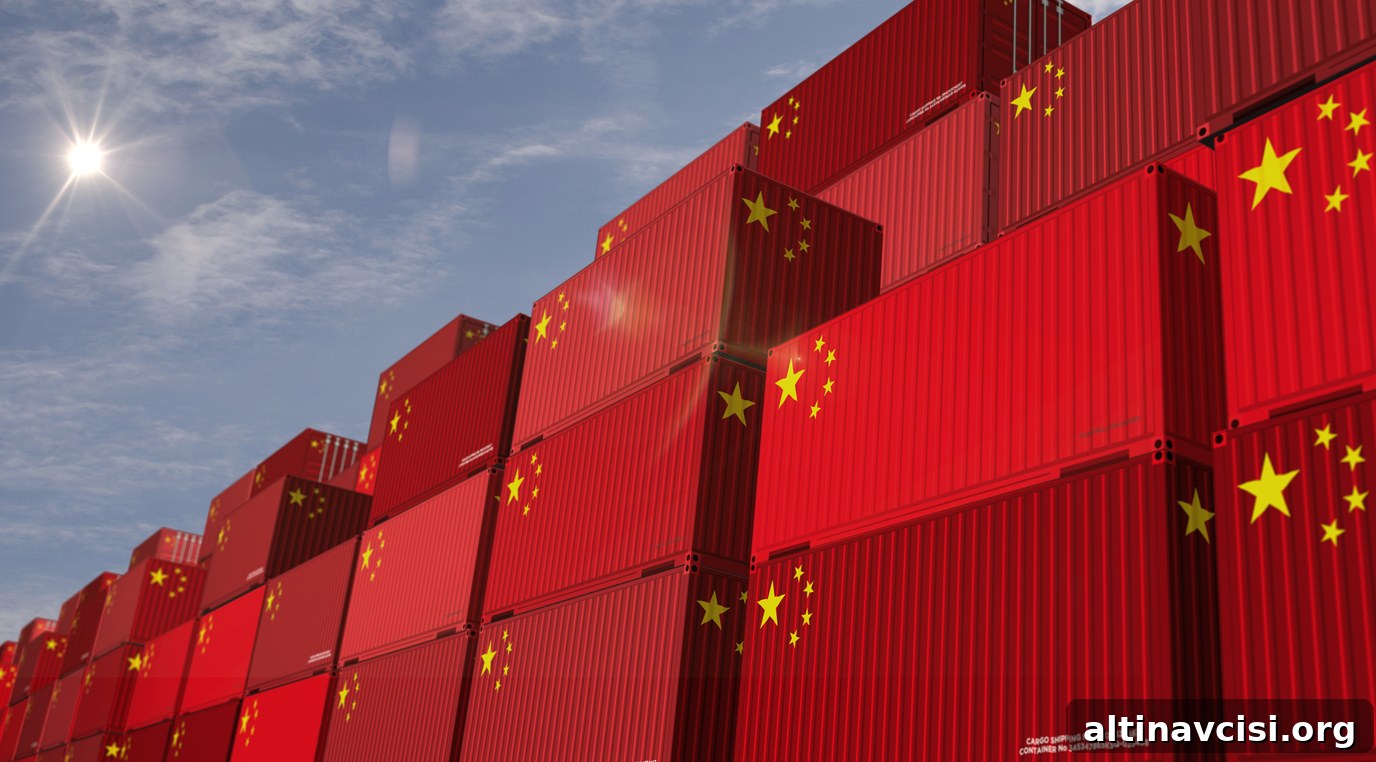
China’s Labor Market Under Pressure Amid Renewed US Trade Tensions
China’s labor market is increasingly strained as renewed trade tensions with the United States compound existing domestic challenges. The country is grappling with a prolonged housing market slump, persistently high youth unemployment, and an overall slowdown in economic growth. Together, these forces are contributing to rising uncertainty for workers, businesses, and policymakers.
Rising Stakes Compared to the Previous Trade War
Analysts now warn that the potential economic fallout from prolonged or intensified US tariffs could be substantially greater than during the earlier trade conflict. Estimates cited by observers suggest that as many as nine million manufacturing jobs in China could be at risk if tariffs remain in place or are increased. That scale of potential job loss would eclipse the impacts seen in the previous round of trade disputes, underscoring the heightened stakes for both countries and global supply chains.
How Tariffs Threaten Manufacturing Employment
Manufacturing has long been a cornerstone of employment in China, supporting millions of workers in factories, logistics, and related services. Tariffs on Chinese-made goods reduce demand from overseas buyers, squeeze profit margins for exporters, and can accelerate offshoring or supply-chain reconfiguration. Even without precise forecasts for every sector, the broad mechanism is clear: sustained tariffs erode export volumes, which in turn threatens factory activity and the jobs that depend on it.
Domestic Pressures: Housing Slump and Youth Unemployment
At the same time that external demand faces risk from trade barriers, domestic headwinds are weighing on job creation. A weakened housing market has ripple effects across construction, real estate services, and consumer spending, all of which are important sources of employment. High youth unemployment adds a social dimension to the problem, as a lack of opportunities for young people can reduce long-term labor market participation and dampen consumption growth. Together with slower overall economic growth, these domestic challenges amplify the vulnerability of the labor market to external shocks.
China’s Countermeasures and Domestic Employment Effects
China has already implemented counter-tariffs and other trade responses, which themselves have consequences for domestic employment patterns. Measures aimed at protecting certain industries or retaliating against tariffs can alter demand for specific goods, affect prices, and shift the competitive landscape within China. While such actions may be intended to shield local firms, they can also produce uneven employment effects across sectors, with some workers facing layoffs or reduced hours as market conditions adjust.
Implications for the United States and Global Markets
The repercussions are not one-sided. US consumers and businesses also face risks if tariffs persist. Higher tariffs raise the cost of imported goods, which can contribute to inflationary pressures. In some cases, tariffs may lead to product shortages or supply-chain disruptions, especially for items that are difficult to source from alternative suppliers quickly. These dynamics highlight the interconnected nature of modern trade: policies that aim to protect certain domestic industries can have broader impacts on prices, availability, and employment abroad.
Policy Choices and Uncertain Outcomes
Policymakers in both countries face difficult trade-offs. Continued tariff policies risk deepening job losses in manufacturing and heightening economic fragility in China, while removal or reduction of trade barriers could help stabilize employment but would require complex negotiations and political will. For China, addressing domestic issues such as the housing slump and youth unemployment will be critical to cushioning the labor market against external shocks. For the United States, balancing trade objectives with the potential for higher consumer prices and supply constraints will shape the economic consequences at home.
Conclusion
The convergence of renewed US trade tensions and China’s own domestic weaknesses has created a fragile labor-market outlook. With estimates pointing to the possibility of up to nine million manufacturing jobs being affected if tariffs persist, the potential human and economic costs are considerable. Both nations and global markets stand to feel the effects, making careful management of trade policy and targeted domestic measures essential to mitigate the risks to workers and the economy.
Popular Topics
Picked from the archive
-
01
 Topics
Gold Pauses After Record Rally as US-Japan Trade Talks Progress
-
02
Topics
Markets Slip After Trump Tax Bill Sparks U.S. Debt Concerns
-
03
Topics
US Initial Jobless Claims Jump to 240,000
-
04
Topics
Dollar Drops After Trump Threatens Fed Chair, Investors Spooked
-
05
Topics
Trump Plans 25% Tariff on Imported iPhones, Targeting Apple
-
06
Topics
Federal Reserve Warns: Credit Card Distress Hits 12-Year High
-
07
Topics
Why Gold’s Record Rally Is Leaving Industrial Metals Behind
-
08
Topics
US Gives Global Partners Five-Week Deadline for Trade Proposals