Dollar Falls After Moody’s Downgrade and New Tax Bill
U.S. Dollar Likely to End Four-Week Winning Streak as Fiscal Concerns Mount
The U.S. dollar appears poised to break a four-week run of gains as growing worries about America’s fiscal position weigh on investor sentiment. A recent downgrade by Moody’s of U.S. debt, combined with the narrow passage of a $3.8 trillion tax-and-spend package, has intensified scrutiny of the roughly $36 trillion national debt and its implications for long-term economic stability.
What Happened
Market participants reacted to two principal developments: the rating agency’s downgrade and the passage of a large fiscal package. Together, these events have revived questions about the sustainability of federal finances and the potential consequences for currency markets, bond investors, and broader financial stability.
Currency Market Response
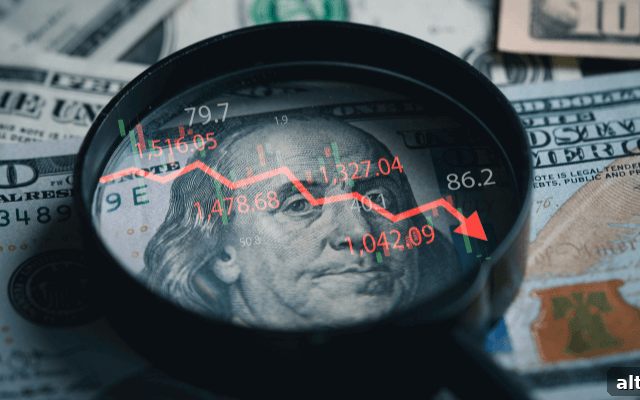
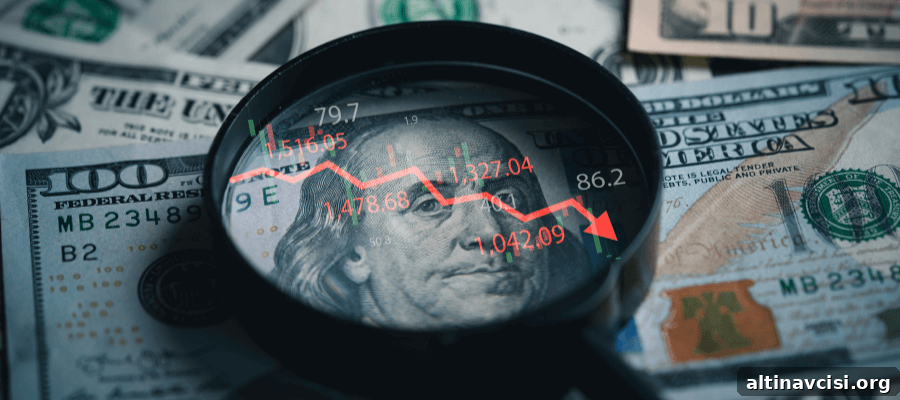
Despite persistently high Treasury yields, the dollar index fell 1.35% over the week as investors sought alternatives. That decline reflects a shift into other currencies and traditional safe-haven assets such as gold. The move suggests that concerns about the United States’ fiscal trajectory are, at least for now, outweighing the support that higher interest rates typically provide for the currency.
Why Fiscal Health Matters for the Dollar
Credit ratings and fiscal policy affect currency values through several channels. A downgrade signals elevated credit risk and can erode confidence in a country’s ability to manage its debt burden over time. When investors perceive greater fiscal vulnerability, they may demand higher yields on government bonds or rotate into assets perceived as safer or less correlated with that risk.
At the same time, large fiscal packages—even when intended to stimulate growth—can increase deficits and the stock of debt, adding pressure to public finances. The combination of a higher debt load and reduced confidence can amplify market volatility and prompt reallocations of capital away from the domestic currency.
Why High Treasury Yields Didn’t Keep the Dollar Rising
Normally, higher Treasury yields can attract foreign capital, supporting the dollar. In this case, however, the negative signal from the downgrade and concerns about long-term fiscal sustainability appear to have counterbalanced the yield attraction. Investors are weighing the trade-off between yield and perceived creditworthiness, and in recent sessions, many favored diversification into other currencies and stores of value.
Safe-Haven Flows and Market Sentiment
Gold and other safe-haven assets benefited from the shift in sentiment. When confidence in sovereign credit or fiscal management falters, investors often increase allocations to assets viewed as durable stores of value. Similarly, some investors looked to non-dollar currencies as they reassessed exposure to U.S. financial and fiscal risk.
Potential Near-Term Implications
In the near term, the dollar’s trajectory will likely depend on how investors interpret further fiscal developments, any responses from policymakers, and data that bear on growth and inflation. If confidence in fiscal management stabilizes, the dollar could recover; if worries deepen, the currency may face additional downward pressure. Market volatility could remain elevated as participants navigate these competing forces.
Conclusion
The recent combination of a Moody’s downgrade and the approval of a sizable $3.8 trillion fiscal package has heightened concern about the United States’ roughly $36 trillion national debt. Those concerns have been sufficient to offset the support of high Treasury yields, contributing to a 1.35% weekly decline in the dollar index as investors sought other currencies and safe-haven assets like gold. Going forward, the dollar’s path will hinge on developments in fiscal policy, investor confidence, and broader economic indicators.
Popular Topics
Picked from the archive
-
01
 Topics
Gold Pauses After Record Rally as US-Japan Trade Talks Progress
-
02
Topics
Markets Slip After Trump Tax Bill Sparks U.S. Debt Concerns
-
03
Topics
US Initial Jobless Claims Jump to 240,000
-
04
Topics
Dollar Drops After Trump Threatens Fed Chair, Investors Spooked
-
05
Topics
Trump Plans 25% Tariff on Imported iPhones, Targeting Apple
-
06
Topics
Federal Reserve Warns: Credit Card Distress Hits 12-Year High
-
07
Topics
Why Gold’s Record Rally Is Leaving Industrial Metals Behind
-
08
Topics
US Gives Global Partners Five-Week Deadline for Trade Proposals