China’s Central Bank Buys 30 Tons of Gold in Six Months
China Adds to Gold Reserves for Sixth Consecutive Month
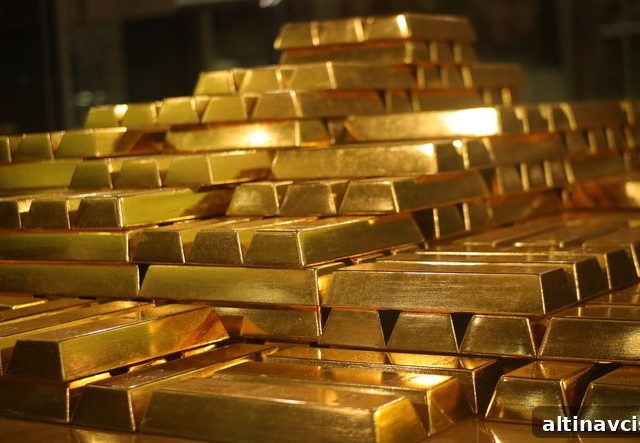
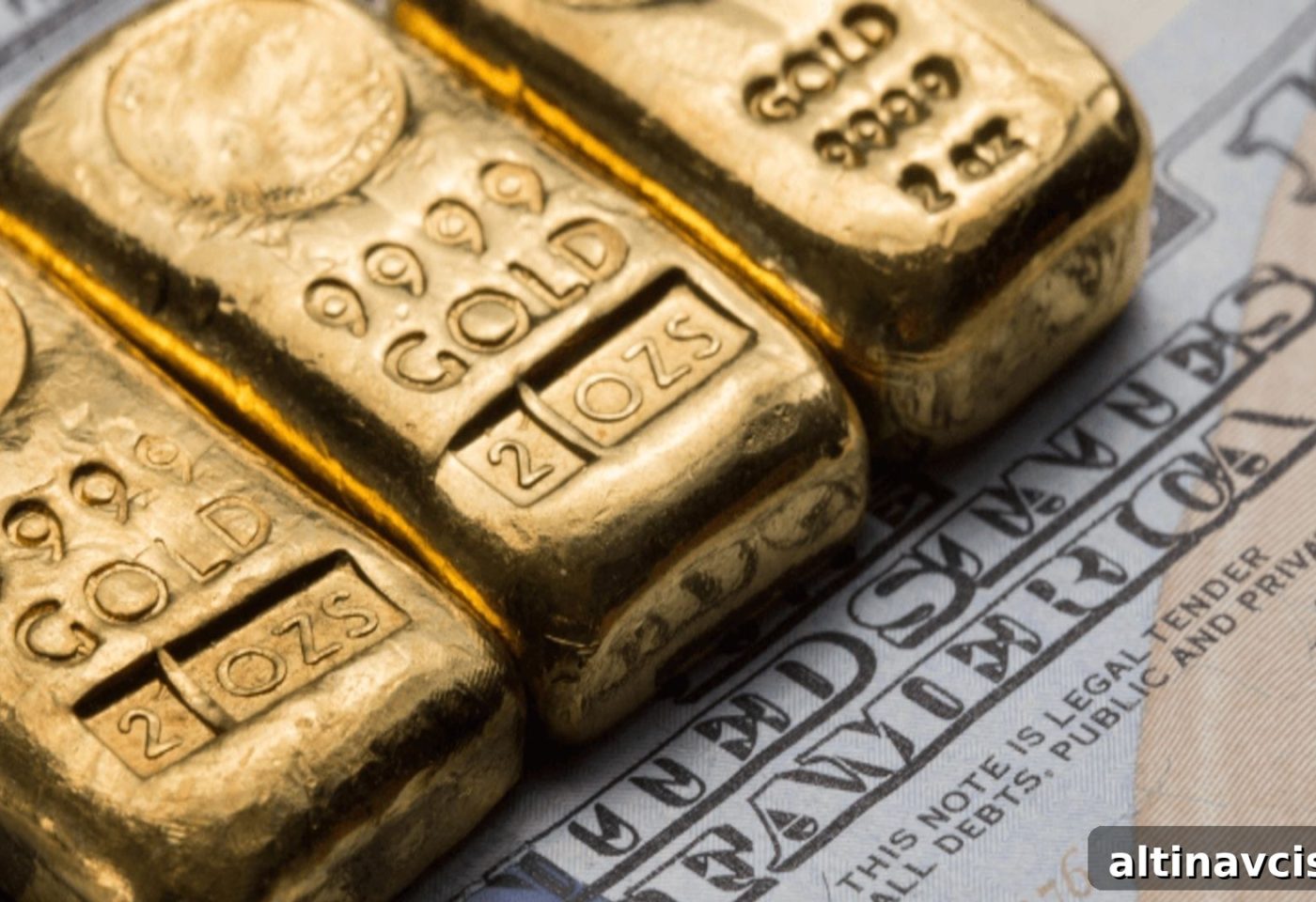
China increased its official gold reserves for the sixth month in a row in April, adding roughly 70,000 troy ounces. This steady accumulation brought the country’s six‑month increase to nearly 1 million troy ounces—about 30 metric tons—underscoring a sustained effort to build its gold holdings amid shifting market conditions.
The move comes as gold has reached record levels, rallying almost 30% so far this year. Rising prices have made headlines globally and prompted renewed attention to the role of gold in national reserve management. For China, the additions to official reserves coincide with heightened domestic demand from investors and broader efforts to reduce reliance on US dollar assets.
Buying gold consistently over multiple months is consistent with a longer‑term strategy to diversify reserve portfolios. By increasing gold holdings, China can broaden the composition of its foreign assets and reduce exposure to currency and sovereign risks tied to any single reserve currency. The recent accumulation therefore reflects both market conditions—higher bullion prices—and strategic considerations tied to managing national reserves.
Chinese retail and institutional investors have also been active buyers throughout this period. Strong consumer demand for physical gold and investment products has put additional pressure on supplies, and the central bank responded by issuing new import quotas for commercial banks. Those quotas are intended to regulate the flow of gold into the domestic market and help balance supply with surging demand from investors.
The intersection of robust investor appetite and central bank purchases makes clear that gold is playing a larger role in China’s financial landscape. For investors, higher demand can tighten available stocks and support prices further. For policymakers, managing imports and reserve purchases requires balancing monetary objectives, market stability and strategic reserve diversification.
From an economic perspective, central bank purchases of gold can serve multiple functions. Gold is often viewed as a hedge against currency depreciation and inflation, and it can complement other foreign assets in a diversified reserve portfolio. When a central bank increases its bullion holdings while also overseeing tighter import controls, it signals a coordinated response to both external market developments and domestic investor behavior.
Trade tensions and geopolitical frictions have also influenced reserve strategies in recent years. While countries routinely adjust their reserve allocations for many reasons, efforts to move away from a heavy reliance on any single foreign currency have been more visible in recent policy discussions. In this context, growing official gold reserves can be read as part of broader measures to enhance financial resilience and reduce concentration risk in foreign assets.
Market participants will likely watch future reserve reports and central bank communications closely. Continued monthly increases would reinforce the narrative that China is systematically expanding its gold holdings, while any changes in import quotas or regulatory measures could affect domestic supply and investor access. Those developments, combined with global price movements, will shape how gold continues to factor into both China’s reserves and the wider bullion market.
In summary, China’s addition of about 70,000 troy ounces to its gold reserves in April—and nearly 1 million ounces over the past six months—reflects a deliberate and sustained approach to reserve diversification during a period of rapidly rising gold prices. The trend is accompanied by heavy investor demand at home and central bank measures to manage imports, underscoring gold’s growing importance in China’s financial strategy.
Popular Topics
Picked from the archive
-
01
 Topics
Goldman Sachs Sees Gold Rally Reaching $4,500 on Tail Risk
-
02
Topics
US Launches Tariff Probe into China’s Critical Minerals Supply
-
03
Topics
Precious Metals Drop After US China Tariff Cut
-
04
Topics
Is Gold Overcrowded for Investors? Data Says No
-
05
Topics
Powell Says Tariffs Fuel Tension Between Inflation and Growth
-
06
Topics
Gold Drops 3% as U.S.-China Trade Deal Calms Markets
-
07
Topics
Foreign Treasury Selloff Threatens U.S. Borrowing Costs
-
08
Topics
Why Investors Remain Bullish Despite 60 Percent Recession Odds