Dollar Weakness Could Trigger Asian Market Selloff
Asian Dollar Reserves Could Trigger Large USD Sell-Off, Raising Risks for the Dollar
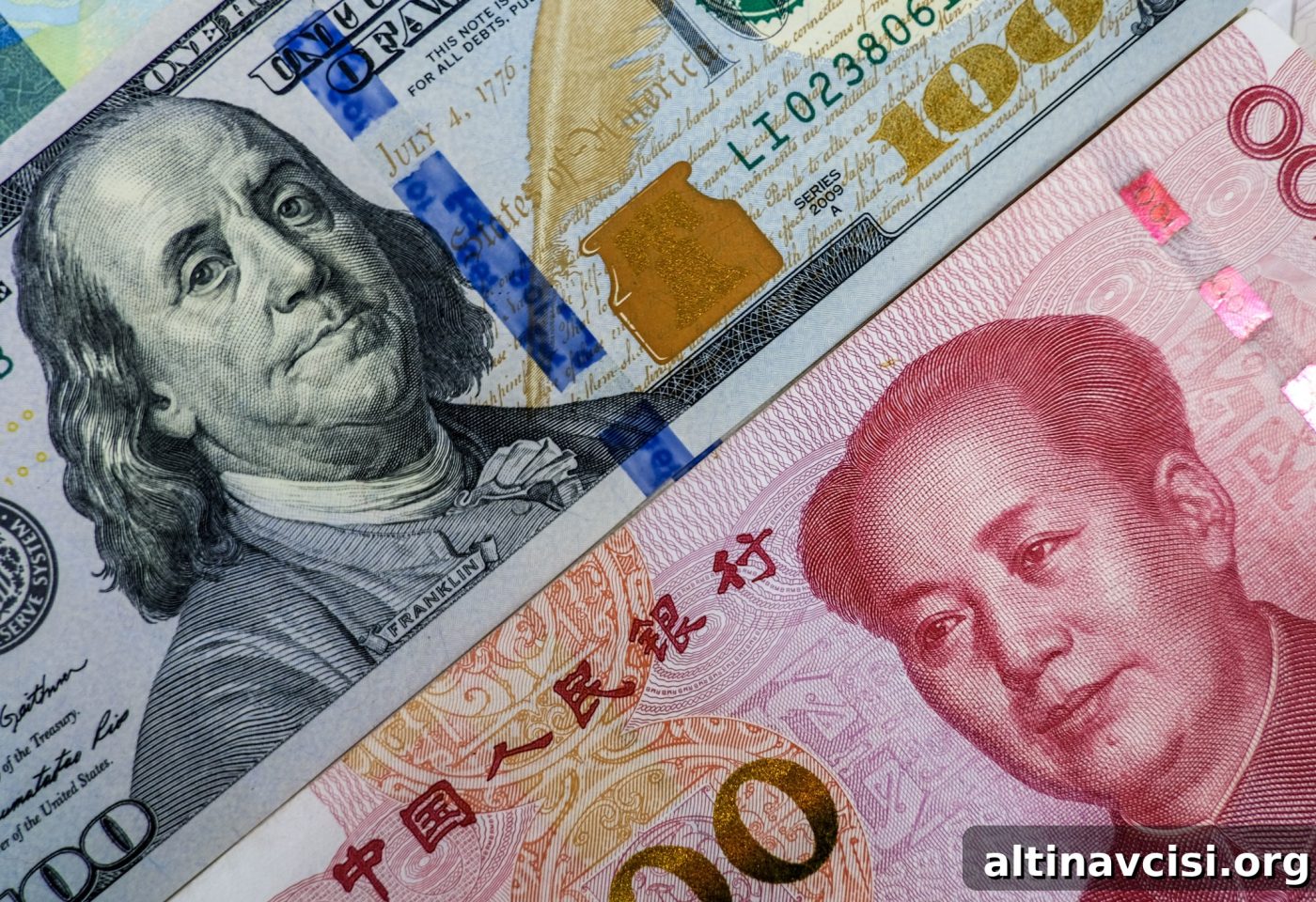
Financial analysts at Eurizon SLJ Capital have highlighted a potentially significant risk to the US dollar linked to the reserve holdings of several Asian nations. According to their assessment, Asian governments and institutions may be holding roughly $2.5 trillion in US dollar assets that could, under certain circumstances, be sold off. Such a coordinated or substantial reallocation away from dollar assets would present material downside pressure on the dollar versus a range of Asian currencies.
Why a Sell-Off Is a Concern
Large-scale selling of dollar-denominated assets by Asian reserve holders could affect currency markets through increased supply of dollars and reduced demand for US assets. When central banks or sovereign wealth funds sell dollars, they typically convert proceeds into other currencies or assets, which can strengthen those currencies and reduce the dollar’s exchange rate. For traders, central banks, and multinational companies, a meaningful shift in reserve allocations can translate into higher volatility and reassessments of hedging, funding, and investment strategies.
Drivers Behind Changing Reserve Strategies
Eurizon SLJ Capital ties this potential vulnerability to evolving trade relationships with the United States and the impact of trade policy shifts under the administration of former US President Donald Trump. Tighter trade ties with regional partners, tariffs, and broader geopolitical shifts have encouraged some policymakers and investors to reconsider the historical dominance of the US dollar in reserves and trade settlements. As trade flows change, so too can the currencies used for invoicing, settling transactions, and storing reserves.
Such shifts do not occur overnight. They reflect a mix of economic, political, and strategic considerations, including efforts to diversify foreign exchange reserves, reduce exposure to any single currency, and align reserve management with changing trade patterns. When reserve holders perceive increased risk in holding large unhedged dollar positions, they may pursue diversification into other major currencies, gold, or alternative assets.
Which Countries Are Most Exposed
The analysis specifically points to several Asian economies with sizable trade surpluses and substantial dollar exposure. China, Taiwan, Malaysia, and Vietnam are cited as examples of countries that have accumulated significant unhedged positions in US dollars. These unhedged positions mean that a portion of their foreign assets is directly exposed to movements in the dollar’s value, rather than being covered by hedging instruments that would limit currency risk.
Large trade surpluses tend to generate persistent inflows of foreign currency, and in many cases, those inflows are converted into US dollar assets because of the dollar’s liquidity and status as a reserve currency. However, if policymakers in those economies decide to rebalance their reserves or to reduce USD exposure in response to shifting trade patterns or perceived policy risk, the resulting sales of dollars could exert downward pressure on the currency.
Market Implications and Investor Responses
A potential mass sell-off of dollars by Asian reserve holders would likely lead to heightened foreign exchange market volatility. Emerging Asian currencies could appreciate against the dollar, while dollar-denominated bond and equity markets might see wider spreads or repricing as global investors adjust their portfolios. Central banks and investors typically respond to such scenarios with a mix of interventions, portfolio rebalancing, and increased hedging activity to manage currency risk.
For global investors, the prospect of significant reallocations away from the dollar underscores the importance of diversified currency exposure and active risk management. For policymakers, it highlights the interconnectedness of trade policy, reserve management, and currency stability—decisions in one domain can have swift and wide-ranging effects across capital markets.
Concluding Thoughts
While the idea of a large-scale dollar sell-off remains conditional, the concentration of unhedged dollar assets in several Asian economies represents a legitimate market vulnerability. Changes in trade relationships and policy environments can prompt reserve managers to rethink long-standing allocations. Monitoring these developments is important for anyone with exposure to currency risk, international trade, or global fixed-income markets.
Market participants should watch official reserve reports, trade data, and central bank communications for signs of portfolio rebalancing. Proactive risk management and a clear understanding of how currency dynamics interact with trade flows will be crucial if substantial shifts in dollar holdings materialize.
Popular Topics
Picked from the archive
-
01
 Topics
Reuters Poll: Gold Set to Extend Rally Through 2026
-
02
Topics
Gold’s 30% Post-Election Rally Consolidates as ETF Flows Slow
-
03
Topics
Kevin O’Leary Rejects Wall Street’s 2025 Recession Forecast
-
04
Topics
Zambia Readies Local Content Rules as Copper Output Surges 30%
-
05
Topics
Goldman Analyst: China’s Pre-Holiday Selloff Sends Gold Tumbling
-
06
Topics
Asian Gold Prices Split: India Discounts, China Premiums
-
07
Topics
India Proposes Targeted Zero-Tariff Offer to Speed US Trade Deal
-
08
Topics
China Opens New Hong Kong Gold Vault to Boost Trading