US Pressures Beijing Publicly While Quietly Seeking Tariff Talks
US-China Tariff Talks: Contradictory Signals and Economic Impact
Chinese state media is reporting that the US government has made secret overtures to Beijing about restarting tariff talks, a claim that appears to contradict the United States’ publicly stated stance. While President Trump and Treasury Secretary Bessent have publicly insisted that China must take the first step, these reports suggest a more complex and private line of communication may be underway. The differing narratives—public posturing by US leaders versus the account from Chinese outlets—highlight the political theater and strategic signaling surrounding trade policy between the world’s two largest economies.
Conflicting Narratives: Public Posturing vs. Private Outreach
On the public stage, Trump and Treasury Secretary Bessent have urged China to initiate meaningful concessions, framing the US position as firm and uncompromising. That message is designed to show strength to domestic audiences and to pressure Beijing to change behavior on trade and other strategic issues. At the same time, Chinese state media has portrayed a different story, suggesting that Washington has quietly approached Beijing to open talks on tariffs. This contrast creates two competing narratives: one in which the United States projects confidence and leverage, and another in which it is depicted as more anxious to resolve trade tensions.
Why the Mixed Signals Matter
Mixed messaging around tariff negotiations matters for several reasons. First, inconsistent signals can increase uncertainty for businesses that rely on cross-border supply chains. When importers, exporters, and manufacturers cannot anticipate tariff policy or negotiation outcomes, they may delay investments, shift sourcing strategies, or pass costs on to consumers. Second, political audiences at home and abroad interpret public rhetoric as a sign of resolve or weakness. Leaders often calibrate their statements to satisfy domestic constituencies while engaging in private diplomacy—so public toughness can coexist with discreet outreach.
Economic Context: Contraction and Consumer Prices
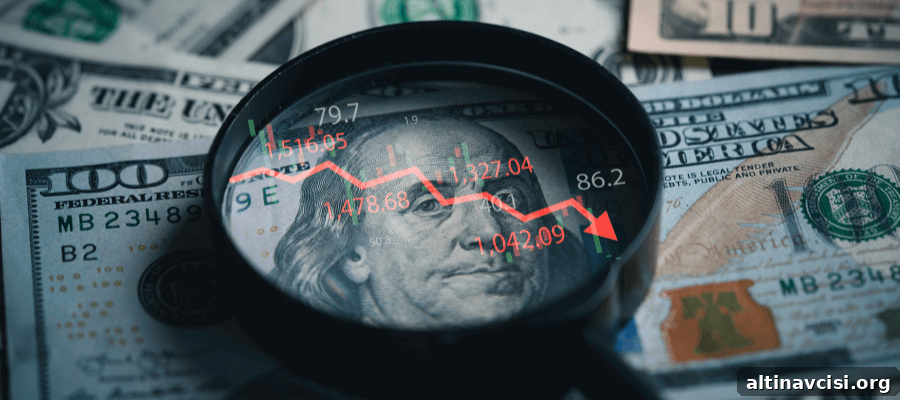
Complicating the political backdrop is the state of the US economy. The US has reportedly experienced an economic contraction for the first time since 2022. While multiple factors typically drive quarterly changes in GDP, commentary around this contraction has highlighted the role of trade policy. Tariffs and trade uncertainty tend to disrupt markets and can depress economic activity. In addition, consumers are already seeing higher prices on many imported goods from China, despite official claims that China would ultimately absorb the cost of steep tariffs—reportedly up to 145% in some discussions. In practice, tariffs are often paid by domestic importers and passed through in retail prices, which directly affects household budgets and inflation dynamics.
Political and Market Implications
For policymakers, the disconnect between public statements and alleged private outreach poses a delicate balancing act. Public toughness on trade can be politically popular with certain voter groups and can serve as leverage in negotiations. Yet private engagement is often necessary to make progress. If the reports of confidential contact are accurate, Washington would be attempting to pursue negotiation options without signaling weakness publicly. Markets and global businesses watch these developments closely; they respond not only to actual tariffs but also to expectations about future policy shifts.
What Consumers and Businesses Should Watch
- Announcements from official US and Chinese officials about talks or changes to tariff schedules.
- Retail price trends for goods that are typically imported from China, which will reflect any cost pass-through from tariffs.
- Statements from major manufacturers and retailers about supply chain adjustments or inventory decisions.
- Macroeconomic indicators—such as GDP, consumer spending, and inflation—that reveal how trade policy is affecting broader economic activity.
Conclusion
The divergence between Chinese state media reports of secret US outreach and the United States’ public demand that China move first underscores the complexity of high-stakes trade diplomacy. While leaders may maintain firm rhetoric for domestic and strategic reasons, private diplomacy can proceed in parallel. The immediate consequences are already visible: consumers face higher prices for many imported goods, and the economy has experienced a contraction not seen since 2022. Moving forward, clearer signals from both capitals would reduce uncertainty for businesses and households, but the interplay of public posturing and private negotiation is likely to remain a defining feature of US-China relations.
Popular Topics
Picked from the archive
-
01
 Topics
Goldman Sachs Sees Gold Rally Reaching $4,500 on Tail Risk
-
02
Topics
US Launches Tariff Probe into China’s Critical Minerals Supply
-
03
Topics
Precious Metals Drop After US China Tariff Cut
-
04
Topics
Is Gold Overcrowded for Investors? Data Says No
-
05
Topics
Powell Says Tariffs Fuel Tension Between Inflation and Growth
-
06
Topics
Gold Drops 3% as U.S.-China Trade Deal Calms Markets
-
07
Topics
Foreign Treasury Selloff Threatens U.S. Borrowing Costs
-
08
Topics
Why Investors Remain Bullish Despite 60 Percent Recession Odds