US Economy Sees First GDP Decline Since 2022: Q1 Falls 0.3%
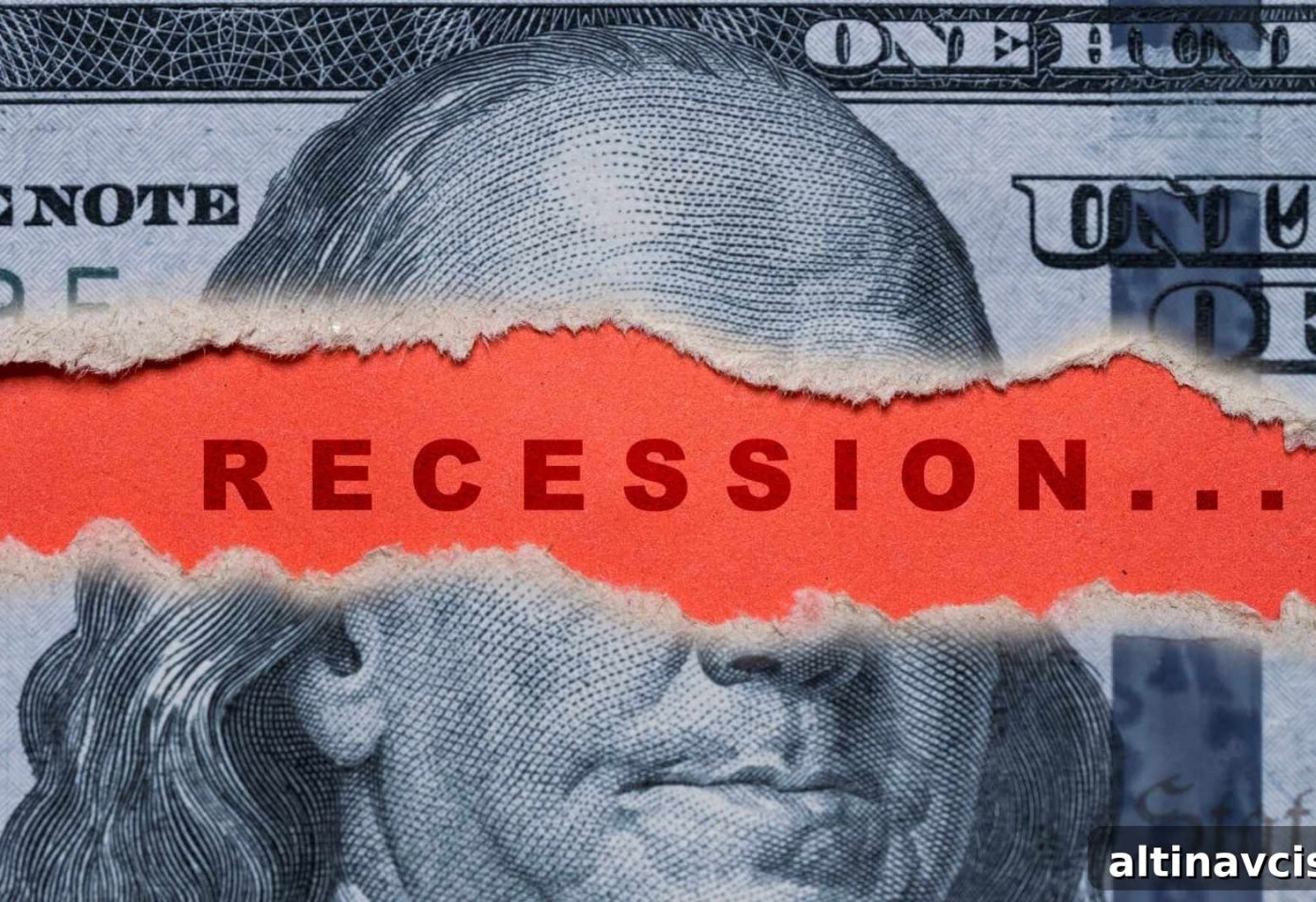
US Economy Contracts in Q1 2025: First Negative Growth Since Early 2022
The United States recorded negative economic growth for the first time since early 2022, as real gross domestic product (GDP) contracted at a 0.3% annualized rate in the first quarter of 2025, according to data released by the Bureau of Economic Analysis (BEA). This outcome fell short of consensus forecasts and interrupted the momentum built during the previous quarter.
Key Figures and Context
After a relatively strong finish to 2024—when GDP grew at a 2.4% annualized rate in the fourth quarter—the economy cooled in the opening months of 2025. The BEA’s preliminary estimate for Q1 shows a modest contraction, reversing recent expansion and prompting renewed attention from policymakers, investors, and households concerned about near-term growth prospects.
Main Drivers Behind the Decline
A primary factor cited in the BEA report was an increase in imports. In national accounting, imports are subtracted from GDP because they represent spending on goods and services produced outside the United States. When import growth outpaces exports or domestic production, it can reduce measured GDP even if overall demand remains robust.
Beyond imports, other common contributors to quarter-to-quarter GDP changes include shifts in consumer spending, business investment, inventory adjustments, government purchases, and the trade balance. The BEA breaks down these components in its full release, which helps analysts identify whether the slowdown reflects temporary timing effects or more persistent underlying weakness.
Implications for Economic Policy and Markets
A quarter with negative GDP growth raises questions about the trajectory of the recovery and the appropriate stance for monetary and fiscal policy. Central banks and government officials typically weigh such data alongside labor market indicators, inflation trends, and forward-looking measures of demand before making policy decisions. One quarter of negative growth does not automatically signal a recession, which is generally defined by a broader set of indicators and historically by prolonged declines in activity.
For markets and businesses, the contraction may prompt reassessment of growth expectations. Investors often react to revisions in economic momentum by adjusting portfolios, while businesses may revisit hiring plans, capital spending, and inventory management depending on whether the slowdown appears temporary or sustained.
What to Watch Next
Analysts will monitor upcoming BEA releases, revisions to the initial estimate, and related economic data such as consumer spending, durable goods orders, payrolls, and inflation readings. Revisions are common in early GDP estimates as more complete source data become available. Observers will also look at the composition of growth measures to determine whether imports, export performance, inventory swings, or other components drove the decline.
Putting the Data in Perspective
While the headline number for Q1 2025 signals a setback compared with late 2024, it is important to interpret the figure in context. Short-term quarterly fluctuations are a normal part of economic cycles. A single quarter of negative growth does not necessarily indicate a prolonged downturn, but it does merit careful attention from policymakers, businesses, and households planning for the months ahead.
As more data are released and analysts digest the full BEA report, markets and decision-makers will refine their views on growth risks, the health of consumer demand, and how international trade flows are affecting the domestic economy.
Popular Topics
Picked from the archive
-
01
 Topics
Goldman Sachs Sees Gold Rally Reaching $4,500 on Tail Risk
-
02
Topics
US Launches Tariff Probe into China’s Critical Minerals Supply
-
03
Topics
Precious Metals Drop After US China Tariff Cut
-
04
Topics
Is Gold Overcrowded for Investors? Data Says No
-
05
Topics
Powell Says Tariffs Fuel Tension Between Inflation and Growth
-
06
Topics
Gold Drops 3% as U.S.-China Trade Deal Calms Markets
-
07
Topics
Foreign Treasury Selloff Threatens U.S. Borrowing Costs
-
08
Topics
Why Investors Remain Bullish Despite 60 Percent Recession Odds