Clash Between White House and Fed Stokes Economic Uncertainty
Markets Volatile as President Trump Intensifies Criticism of Fed Chairman Jerome Powell
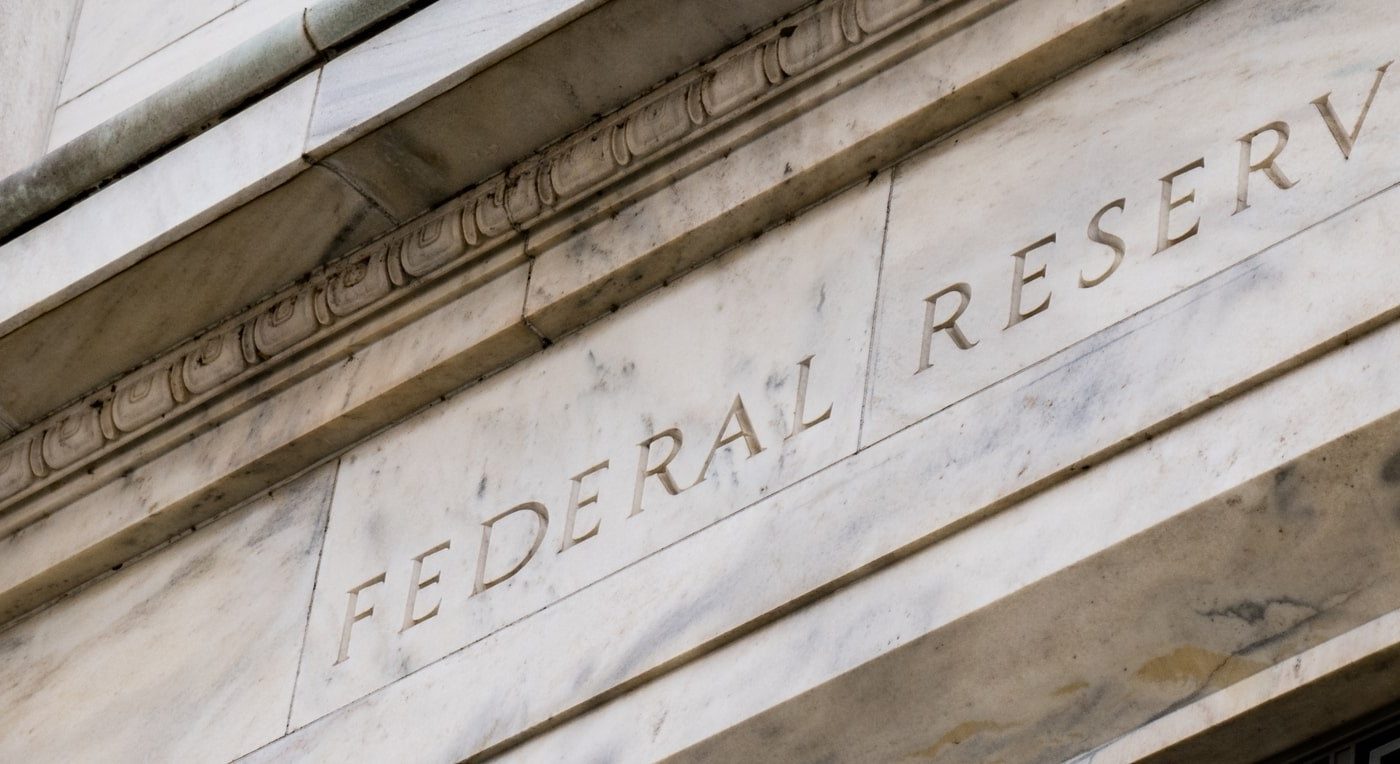
Financial markets have become notably volatile as President Trump has stepped up his public criticism of Federal Reserve Chair Jerome Powell. The president has pushed for immediate interest rate cuts to stimulate growth and at one point used social media to suggest he might remove Powell, a remark he later softened during an Oval Office meeting. The sequence of public statements has heightened investor concern about potential political interference in monetary policy and raised questions about how the Fed will respond in the near term.
Recent Developments and Market Reaction
Investors reacted quickly to the escalation in rhetoric, driving swings in stock and bond markets as traders reassessed expectations for interest rates and the Fed’s independence. Market volatility reflects both the uncertainty about the Fed’s policy path and anxiety over whether political pressure could influence decisions that are traditionally made on the basis of economic data.
At the same time, important economic and policy questions remain unresolved, including the trajectory of trade negotiations and broader economic policy choices. Those unresolved issues are central to how the Federal Reserve will assess the risks to growth and inflation over the coming months.
What Economists Are Saying
Many independent economists expect the Federal Reserve to hold rates steady at its upcoming May meeting. For example, Moody’s Analytics chief economist Mark Zandi has signaled that a rate change at that meeting is unlikely, in part because the Fed typically prefers to wait for clearer signals from the economy and the policy environment before adjusting policy settings.
Experts emphasize that the Fed’s deliberations hinge on incoming economic data—employment, inflation, consumer spending—as well as geopolitical and trade developments. With those variables still in flux, a cautious approach by policymakers is often anticipated.
Why Fed Independence Matters
Fed independence is an important principle in modern monetary policy because it helps ensure that decisions about interest rates and other tools are based on long-term economic objectives rather than short-term political considerations. Historically, when central banks face overt political pressure, the risk of inflationary policy increases if interest rates are kept too low for political reasons.
Analysts warn that any perception of compromised independence can undermine confidence in the central bank’s commitment to price stability, which in turn can affect inflation expectations and long-term interest rates. That dynamic is part of why markets reacted strongly to President Trump’s comments.
Implications for Investors and the Economy
Heightened market volatility can have several practical implications. For investors, it can increase uncertainty around asset valuations and make short-term market timing more difficult. For businesses and consumers, sharper swings in interest rates or market confidence can affect borrowing costs, investment decisions, and spending patterns.
At the policy level, the Federal Reserve faces a balancing act: responding appropriately to genuine changes in economic conditions while preserving its credibility as an independent institution. Policymakers must weigh current data against risks from global developments and trade tensions before altering the policy stance.
What to Watch Next
Key items to monitor in the coming weeks include the Fed’s public communications, official statements from the White House, and incoming economic data that could influence the Fed’s assessment. Market participants will track employment reports, inflation indicators, consumer confidence measures, and any developments in trade policy that could materially change the outlook for growth and inflation.
Overall, while public criticism from political leaders can increase short-term market turbulence, most economists expect the Federal Reserve to proceed cautiously, basing decisions on economic fundamentals rather than political pressure. Investors and observers will be watching closely to see whether that expectation holds as more information becomes available.
Popular Topics
Picked from the archive
-
01
 Topics
Goldman Sachs Sees Gold Rally Reaching $4,500 on Tail Risk
-
02
Topics
US Launches Tariff Probe into China’s Critical Minerals Supply
-
03
Topics
Precious Metals Drop After US China Tariff Cut
-
04
Topics
Is Gold Overcrowded for Investors? Data Says No
-
05
Topics
Powell Says Tariffs Fuel Tension Between Inflation and Growth
-
06
Topics
Gold Drops 3% as U.S.-China Trade Deal Calms Markets
-
07
Topics
Foreign Treasury Selloff Threatens U.S. Borrowing Costs
-
08
Topics
Why Investors Remain Bullish Despite 60 Percent Recession Odds