Can Trump Remove Fed Chair Powell? Limits of Presidential Power
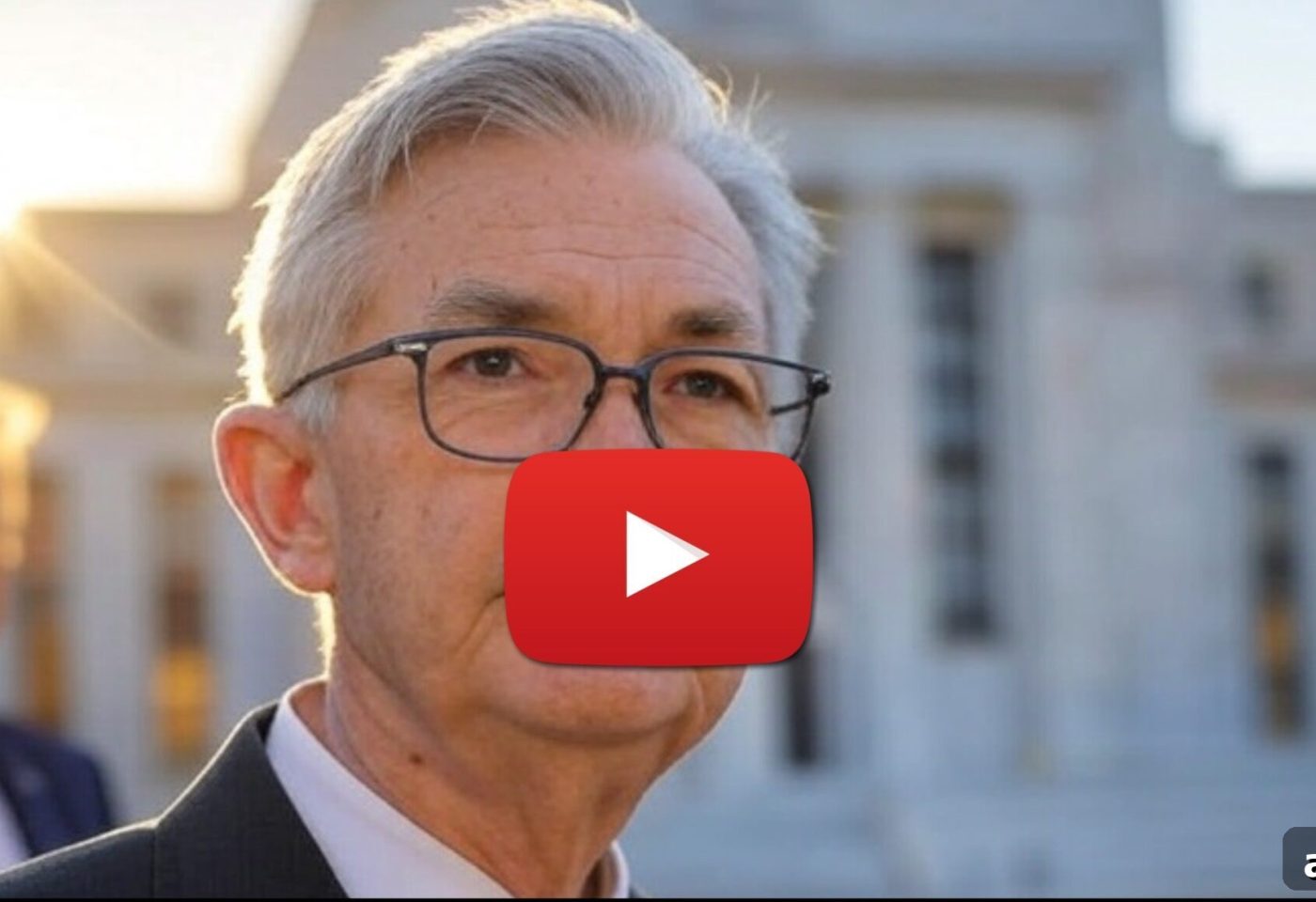
Trump Suggests He Might Remove Fed Chair Powell; Experts Outline Legal Issues
President Donald Trump recently suggested he could dismiss Federal Reserve Chair Jerome Powell before the scheduled end of Powell’s term next year, citing disagreements over interest rate policy. The comment prompted an immediate reaction in financial markets, where investors viewed the prospect of a presidential move against the central bank’s leader as destabilizing. Powell has publicly maintained that such a dismissal would be illegal, underscoring the constitutional and statutory questions at the center of the dispute.
Two Central Legal Questions Identified by a Former Fed Official
Daniel Tarullo, a Harvard Law professor who previously served on the Federal Reserve Board, outlined two principal legal questions that would determine whether a president can remove the Fed chair before a term expires. First, there is the question of whether the office of Federal Reserve Chair carries “for cause” removal protection. That concept would limit removal to narrow circumstances—such as proven malfeasance, neglect of duty, or incapacity—rather than allowing removal for discretionary or political reasons. If the chair is protected by a statutory or structural “for cause” requirement, a president’s power to fire the chair would be significantly constrained.
The second question Tarullo raised concerns the Supreme Court’s willingness to uphold or reject presidential removal power over officials of independent agencies. Over recent years, the Court has issued rulings that expand executive authority in certain contexts. How the justices would treat a case specifically involving the Federal Reserve is uncertain. Tarullo noted that several conservative justices have indicated they might view the Fed differently from other independent agencies, potentially because of the Fed’s long history of institutional independence that stretches back to the early federal banking system.
Implications for Fed Independence and Market Confidence
The combination of those two legal issues — statutory protections around the chair’s removal and the Supreme Court’s interpretation of executive power — has broad implications. If a president could remove the Fed chair at will, it could undermine the agency’s independence and erode investor confidence that monetary policy decisions are guided primarily by economic considerations rather than short-term political goals. Conversely, a legal affirmation of strong removal protections would reinforce the Fed’s ability to pursue long-term policy objectives without immediate political pressure.
Market participants pay close attention not only to interest-rate decisions themselves but also to the institutional framework that governs the Federal Reserve. Announcements or even suggestions about the potential removal of a Fed chair can increase uncertainty about future policy direction, potentially shifting expectations for interest rates, inflation, and economic stability. The recent market reaction underscores how sensitive investors are to any perceived threat to central bank independence.
Unclear Path Forward Without Court Guidance
Because these questions ultimately hinge on interpretation of statutes, constitutional principles, and precedent, the final resolution could require litigation and, potentially, review by the Supreme Court. Absent a definitive judicial ruling, the debate will likely continue in legal, political, and financial circles. Observers and market participants will be watching not only public statements by the White House and the Federal Reserve but also any legal arguments or legislative moves that clarify the limits of presidential removal power over independent monetary authorities.
For now, the controversy highlights how tensions between elected officials and independent institutions can have tangible consequences for markets and for public confidence in monetary policy. Legal scholars like Tarullo emphasize that resolving the twin questions of removal protection and the Court’s stance on executive authority will be central to understanding whether a president can lawfully dismiss a sitting Fed chair before the end of a statutory term.
Popular Topics
Picked from the archive
-
01
 Topics
Reuters Poll: Gold Set to Extend Rally Through 2026
-
02
Topics
Gold’s 30% Post-Election Rally Consolidates as ETF Flows Slow
-
03
Topics
Kevin O’Leary Rejects Wall Street’s 2025 Recession Forecast
-
04
Topics
Zambia Readies Local Content Rules as Copper Output Surges 30%
-
05
Topics
Goldman Analyst: China’s Pre-Holiday Selloff Sends Gold Tumbling
-
06
Topics
Asian Gold Prices Split: India Discounts, China Premiums
-
07
Topics
India Proposes Targeted Zero-Tariff Offer to Speed US Trade Deal
-
08
Topics
China Opens New Hong Kong Gold Vault to Boost Trading