Gold Prices Retreat from Record High as US-China Tensions Ease
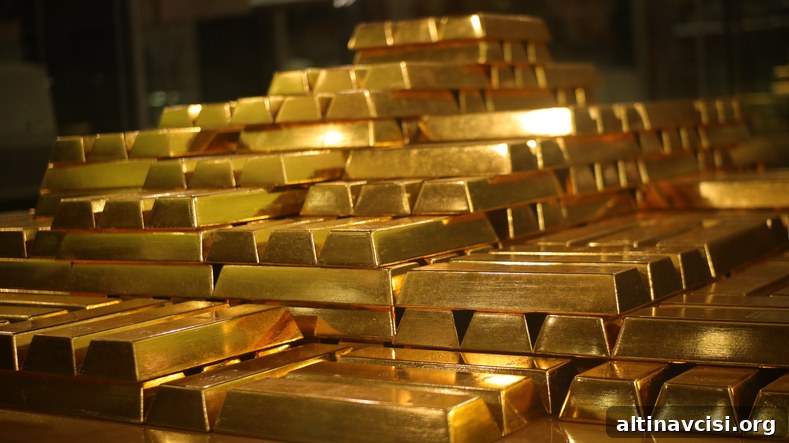
Gold Prices Pull Back After Record Highs as US-China Tensions Ease
Gold prices fell 1.5% on Friday, pulling back from record highs reached earlier in the week after market participants responded to signs of reduced trade friction between the United States and China. The retreat in gold reflects shifting expectations about safe-haven demand and the broader economic outlook as diplomatic and trade developments influence investor sentiment.
Recent Price Move and Drivers
Reports that China has exempted certain U.S. goods from its previously imposed 125% tariffs were cited by traders as a key catalyst for the decline. Following the news, the price of gold dropped to $3,296.19 per ounce. The announcement reduced some near-term geopolitical risk premiums that had supported gold’s rally, prompting profit-taking and repositioning by investors who had sought refuge in the metal during heightened trade tensions.
Gold often benefits when geopolitical or economic uncertainty rises, since investors view it as a store of value and a hedge against currency weakness or market stress. Conversely, any credible indications of de-escalation between major economies tend to curb that urgency, making gold less attractive relative to riskier assets or cash holdings. That dynamic appears to have played out in Friday’s sell-off.
Analyst Views and Price Targets
Market analysts have suggested that a broader U.S.-China trade agreement could put additional downward pressure on gold prices, with some noting the possibility of prices moving toward $3,000 per ounce if trade tensions subside materially. Such scenarios hinge on the scope and durability of any trade concessions, as well as how quickly investor confidence returns to risk assets.
It is important to note that analyst projections vary and are contingent on multiple factors beyond trade headlines, including interest rates, inflation trends, currency movements, and global growth expectations. Gold’s sensitivity to these variables means that forecasts are often updated rapidly as new economic data and policy signals emerge.
Gold’s Performance Year-to-Date
Despite the recent pullback, gold has delivered a strong performance so far in 2024, rising by more than 25% year-to-date. That cumulative gain reflects a period during which concerns about global growth, elevated inflation expectations, and geopolitical risks prompted increased demand for safe-haven assets. The substantial YTD increase underscores how quickly sentiment can shift and how volatile precious metals markets can be in response to policy and trade developments.
Monetary Policy Considerations
The Federal Reserve’s approach to monetary policy remains cautious as officials weigh the economic impact of tariffs and other trade-related pressures. While the Fed has not signaled an immediate shift in its policy framework solely because of trade headlines, any material economic consequences from tariffs—such as slower growth or higher inflation—would fact into future decisions on interest rates and liquidity provision.
Higher real interest rates generally weigh on gold since bullion pays no yield, while expectations of lower rates or increased monetary stimulus tend to support prices. The interplay between tariff-driven economic effects and central bank responses will be an important determinant of gold’s path in the months ahead.
Outlook and What to Watch
Investors and observers will be watching several key developments that could influence gold prices going forward: the breadth and permanence of any U.S.-China trade concessions, incoming economic data on growth and inflation, shifts in real interest rates, and central bank communications. Renewed trade tensions or unexpected geopolitical events could quickly restore upward pressure on gold, while sustained progress on trade talks could encourage further consolidation or declines.
In an environment marked by rapid news flow, market participants may continue to adjust positions frequently. For those following gold prices, staying attentive to policy statements, trade announcements, and macroeconomic releases will be essential to understanding near-term price dynamics.
Popular Topics
Picked from the archive
-
01
 Topics
Goldman Sachs Sees Gold Rally Reaching $4,500 on Tail Risk
-
02
Topics
US Launches Tariff Probe into China’s Critical Minerals Supply
-
03
Topics
Precious Metals Drop After US China Tariff Cut
-
04
Topics
Is Gold Overcrowded for Investors? Data Says No
-
05
Topics
Powell Says Tariffs Fuel Tension Between Inflation and Growth
-
06
Topics
Gold Drops 3% as U.S.-China Trade Deal Calms Markets
-
07
Topics
Foreign Treasury Selloff Threatens U.S. Borrowing Costs
-
08
Topics
Why Investors Remain Bullish Despite 60 Percent Recession Odds