Trump Challenges Legal Precedent Protecting Fed Chair
Trump Challenges 90-Year Precedent by Threatening to Remove Fed Chair Jerome Powell
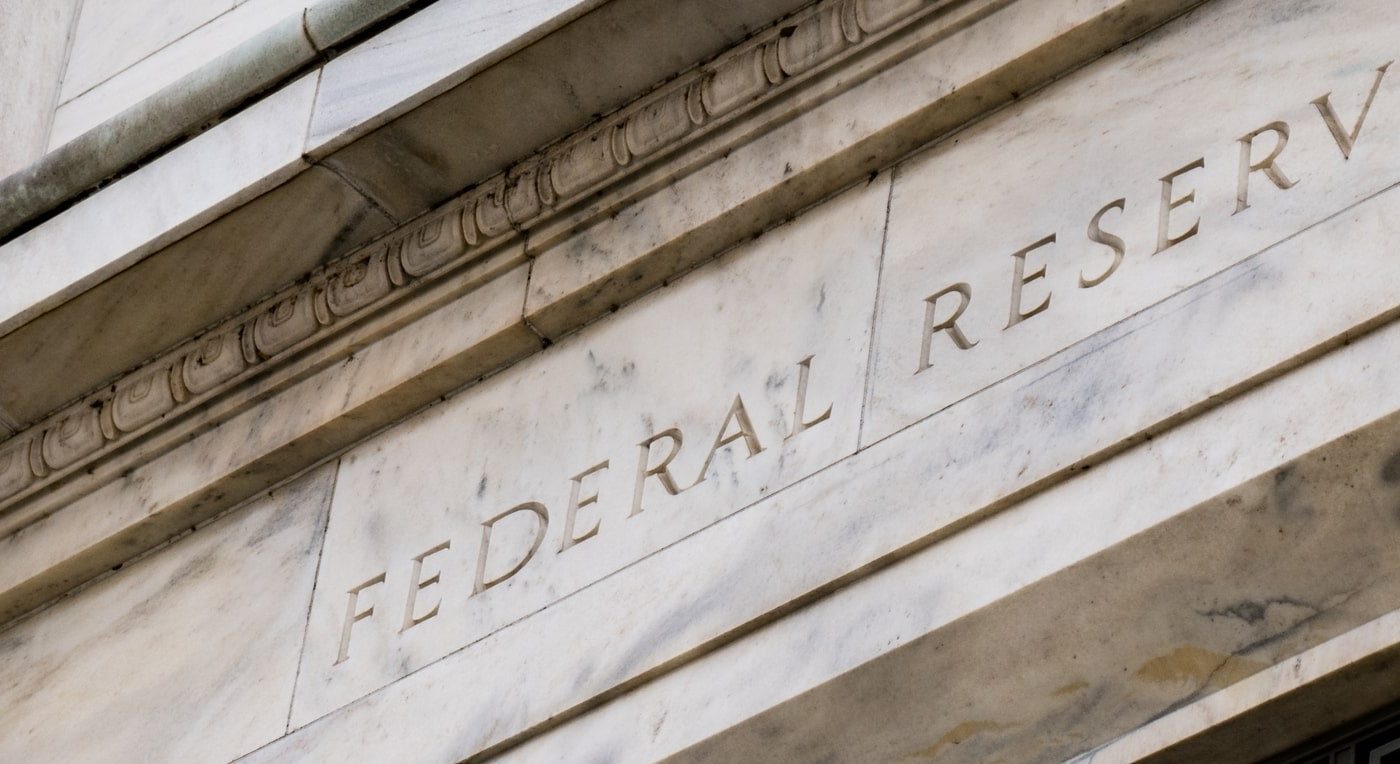
President Donald Trump has escalated a high-stakes confrontation with independent federal institutions by openly threatening to remove Federal Reserve Chair Jerome Powell. At the same time, the president has asked the Supreme Court to weigh in on his authority to dismiss board members at independent agencies — a request that directly challenges a roughly 90-year-old legal precedent that has long limited presidential power to remove officials except for cause, such as neglect of duty or malfeasance.
The dispute is not merely rhetorical. Trump has already terminated leaders at the Federal Trade Commission (FTC) and the Federal Election Commission (FEC), and those dismissals are now being litigated in federal courts. Legal defenders of independent agencies say the existing precedent preserves agency independence by restricting arbitrary firings, while critics argue the president should have broader control over executive-branch appointees. The litigation surrounding the FTC and FEC removals underscores how this controversy could quickly move through the judicial system and potentially reach the Supreme Court for a definitive ruling.
One dismissed FTC board member has drawn a direct parallel between that post and the chairmanship of the Federal Reserve, asserting that both positions carry comparable legal protections. The argument is that if courts permit the removal of a commissioner at the FTC, the same standard could be applied to the chair of the Federal Reserve — a development that would fundamentally alter the norms governing central bank independence and presidential oversight.
President Trump has publicly called for a swift termination of Powell’s tenure at the Federal Reserve, and media reports indicate he has discussed potential replacements, including former Fed governor Kevin Warsh. At the same time, some of Trump’s economic advisers have counseled a more cautious approach, recommending that the administration wait until Powell’s term concludes in 2026 rather than pursue an abrupt dismissal. Those internal disagreements reflect the tension between political objectives and the potential economic and legal fallout from attempting to remove a sitting central bank leader.
The implications of a successful presidential effort to remove a Federal Reserve chair are significant. The Federal Reserve is widely regarded as an independent body that sets monetary policy based on economic data and long-term objectives rather than immediate political pressures. Altering the legal rules that protect central bank officials could affect investor confidence, market stability, and how future administrations interact with institutions charged with technical, expert oversight.
Conversely, supporters of broader removal power argue that elected leaders should have stronger authority to ensure that independent agencies and board members are accountable to the president’s policy agenda. Those advocates maintain that democratic accountability requires a degree of presidential control over appointees who exercise significant regulatory or policy influence.
At stake is more than a personnel decision: it is a constitutional and institutional question about the balance of power between the presidency and insulated administrative bodies. If the Supreme Court is asked to endorse the president’s actions and rules in favor of broader dismissal authority, the decision would set a new legal standard that could reshape the governance of multiple federal agencies. If the court rejects that expansion of power, the existing 90-year precedent limiting removal except for cause would remain intact, preserving current checks on presidential discretion.
As the matter proceeds through litigation and public debate, observers from legal, economic, and political spheres will be watching closely. Any judicial resolution could have long-term consequences for the autonomy of the Federal Reserve, the role of independent agencies in American government, and the constitutional boundaries of executive power.
Popular Topics
Picked from the archive
-
01
 Topics
Goldman Sachs Sees Gold Rally Reaching $4,500 on Tail Risk
-
02
Topics
US Launches Tariff Probe into China’s Critical Minerals Supply
-
03
Topics
Precious Metals Drop After US China Tariff Cut
-
04
Topics
Is Gold Overcrowded for Investors? Data Says No
-
05
Topics
Powell Says Tariffs Fuel Tension Between Inflation and Growth
-
06
Topics
Gold Drops 3% as U.S.-China Trade Deal Calms Markets
-
07
Topics
Foreign Treasury Selloff Threatens U.S. Borrowing Costs
-
08
Topics
Why Investors Remain Bullish Despite 60 Percent Recession Odds